跳到主要内容

The Beijing Center

TBC Speaks at the 2026 INCLUSION Conference in Shanghai

Share This Post

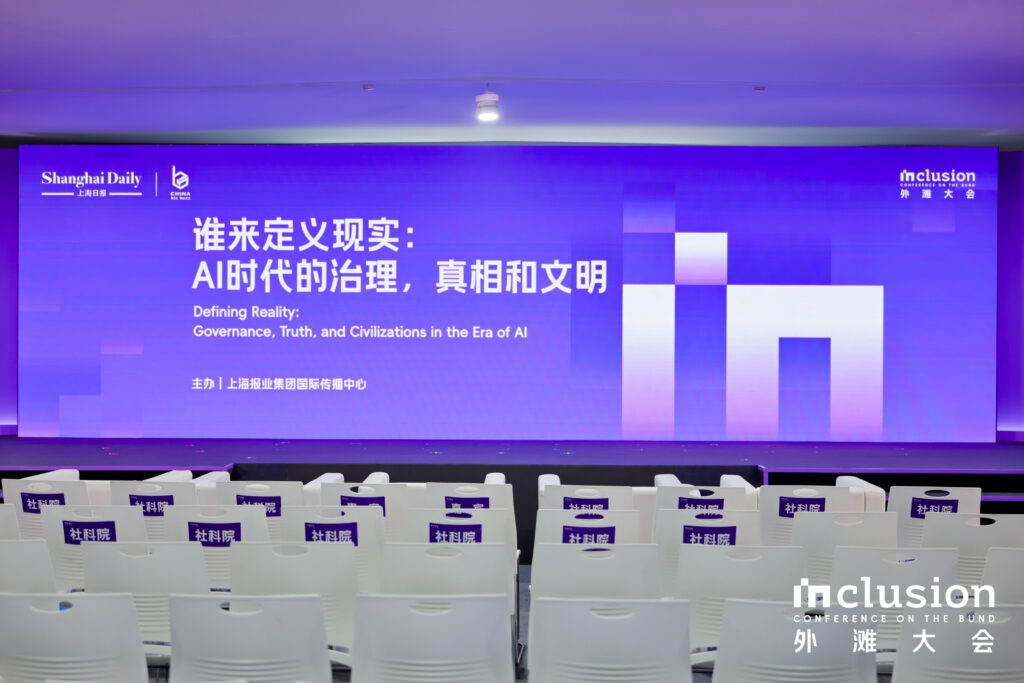
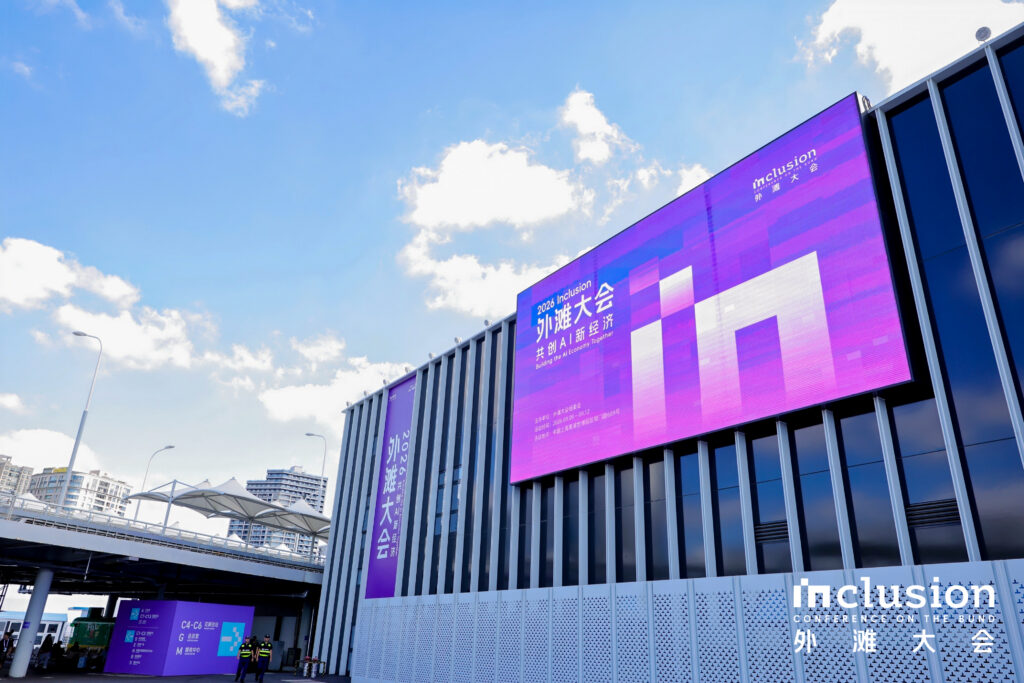
The Insight Forum “Defining Reality: Governance, Truth, and Civilizations in the Era of AI” took place on September 12 as part of the 2026 INCLUSION Conference on the Bund in Shanghai. Bringing together experts and practitioners from philosophy, computer science, education, and industry, the forum explored AI’s implications for our understanding of reality, social governance, and the economy through interdisciplinary and cross-cultural perspectives.


Launched in 2020, the INCLUSION Conference on the Bund is a major annual technology and fintech event in Shanghai. Held from September 9 to 12 at Huangpu World Expo Park, this year’s conference was guided by the principle of “Human-Centric Innovation”, with discussions spanning frontier technologies, industrial development, and financial innovation.

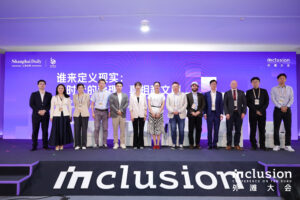
The Insight Forum “Defining Reality: Governance, Truth, and Civilizations in the Era of AI”
Source: INCLUSION Conference on the Bund

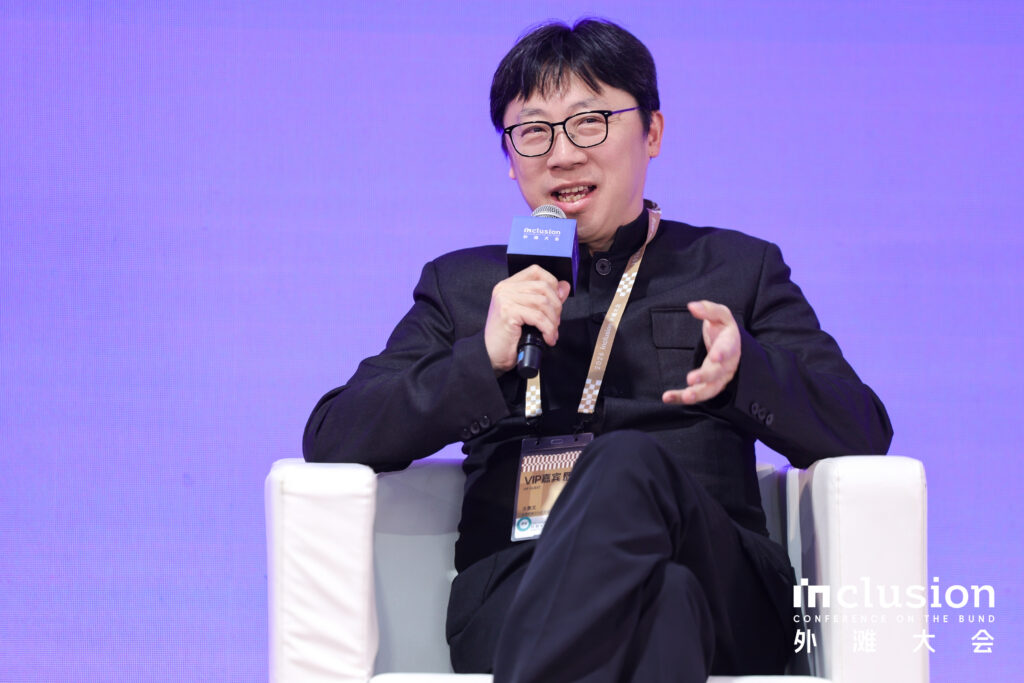
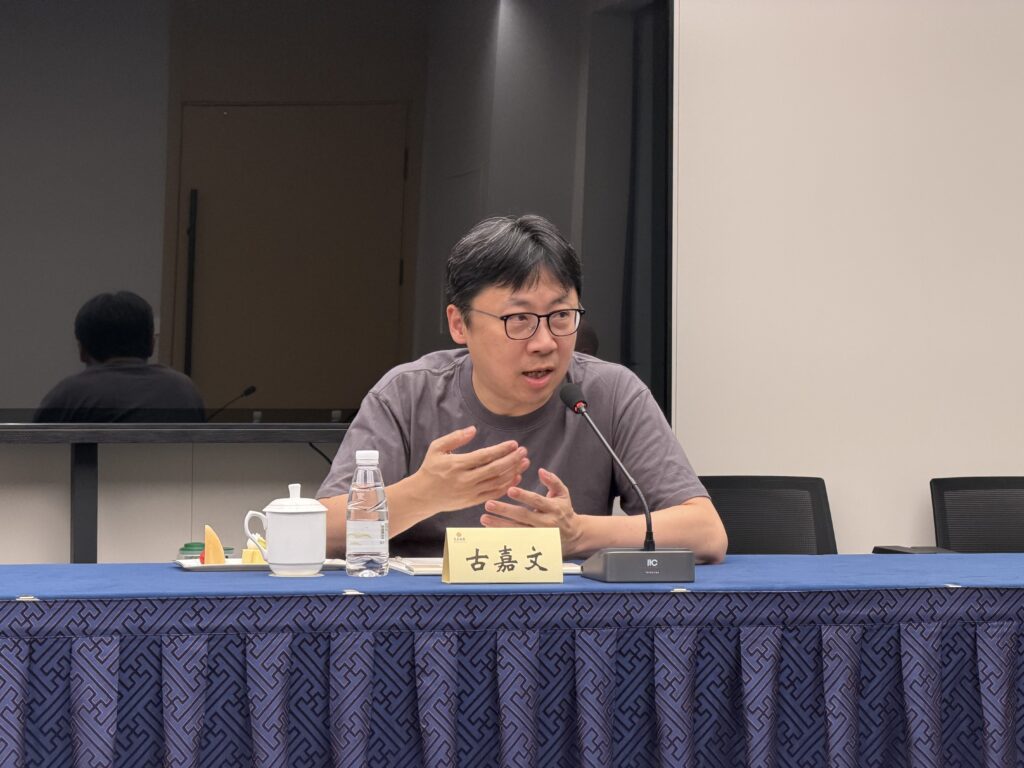
As a supporting partner of the forum, The Beijing Center (TBC) was represented by its Executive Director, Dr. Simon Koo, who joined the panel discussion “Human-Centric Values: The New Economic Landscape Behind the AI Surge”. Drawing on his experience in education, Simon explored how the rapid development of AI is prompting renewed reflection on human value, learning, and personal growth.

Dr. Simon Koo shares his views during a roundtable discussion
Source: INCLUSION Conference on the Bund

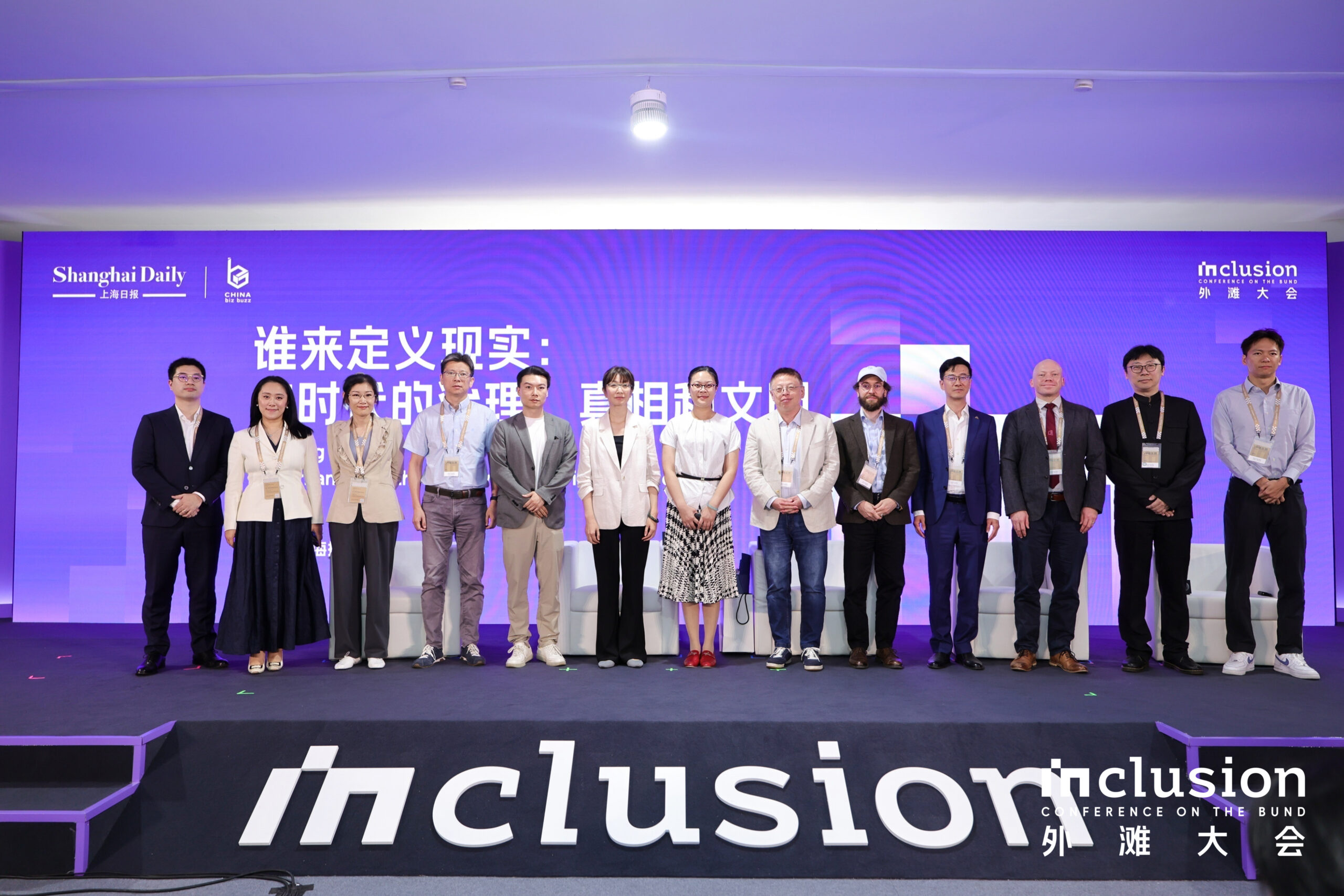
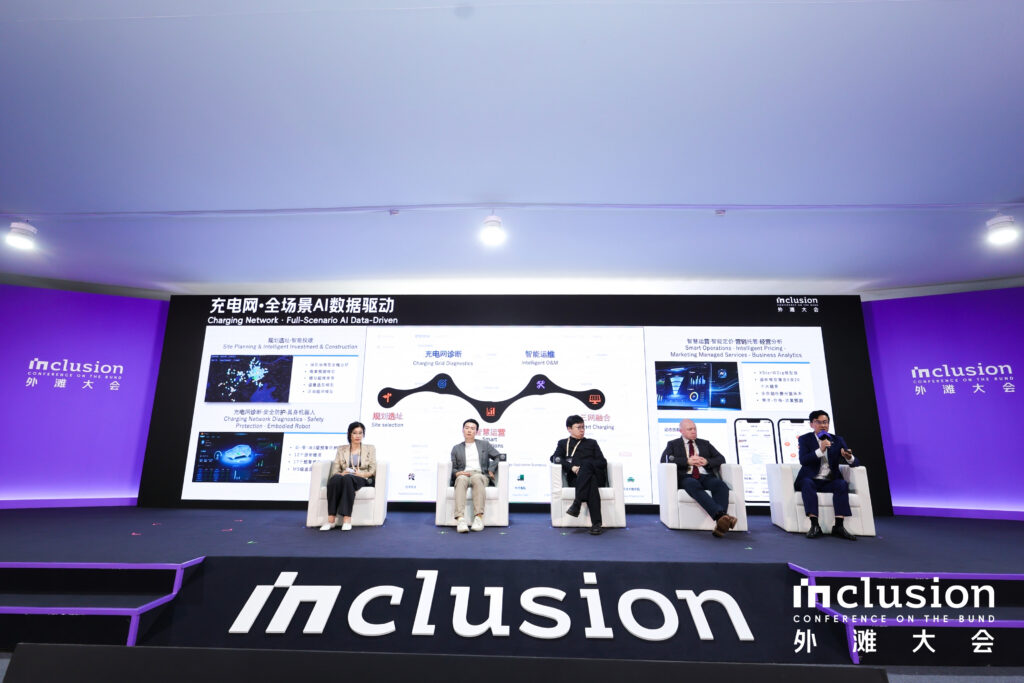
The panel also featured Mr. Chen Qiufan, Vice President of Chinese Writers Association Science Fiction Committee; Prof. Levi Checketts, Associate Director of the Centre for Applied Ethics at Hong Kong Baptist University; and Mr. Wang Di, Chief Technology Officer of StarCharge, an EV charging technology company. Drawing on perspectives from literature, ethics, technology, and education, the panelists explored the social and economic changes accompanying the rapid growth of AI, as well as the implications for human value and development.

Dr. Simon Koo (center), Executive Director of TBC, joins the panel discussion “Human-Centric Values: The New Economic Landscape Behind the AI Surge”
Source: INCLUSION Conference on the Bund

Speaking from an educational perspective, Simon raised a fundamental question: as AI becomes increasingly capable of finding answers, processing information, and completing tasks, how should we understand human learning and growth?


Generative AI has made information gathering, analysis, and content production faster and more accessible, opening up new possibilities for economic and social development. Yet, as Simon observed, the purpose of education extends beyond helping people obtain answers more efficiently. Growth often takes place in the process of seeking answers—in learning through trial and error, reconsidering assumptions when encountering different perspectives, and developing sound judgment through real-world experience. These processes take time, and their value cannot always be measured in terms of efficiency or immediate results.


Simon also reflected on the implications of AI for young people entering the workforce. Traditionally, early-career professionals develop their skills by taking on foundational tasks, learning through practice, receiving guidance, and gradually building experience. As AI takes on more routine and entry-level work, these traditional pathways may change, raising questions about how young people will gain practical experience, develop professional judgment, and prepare for greater responsibility.

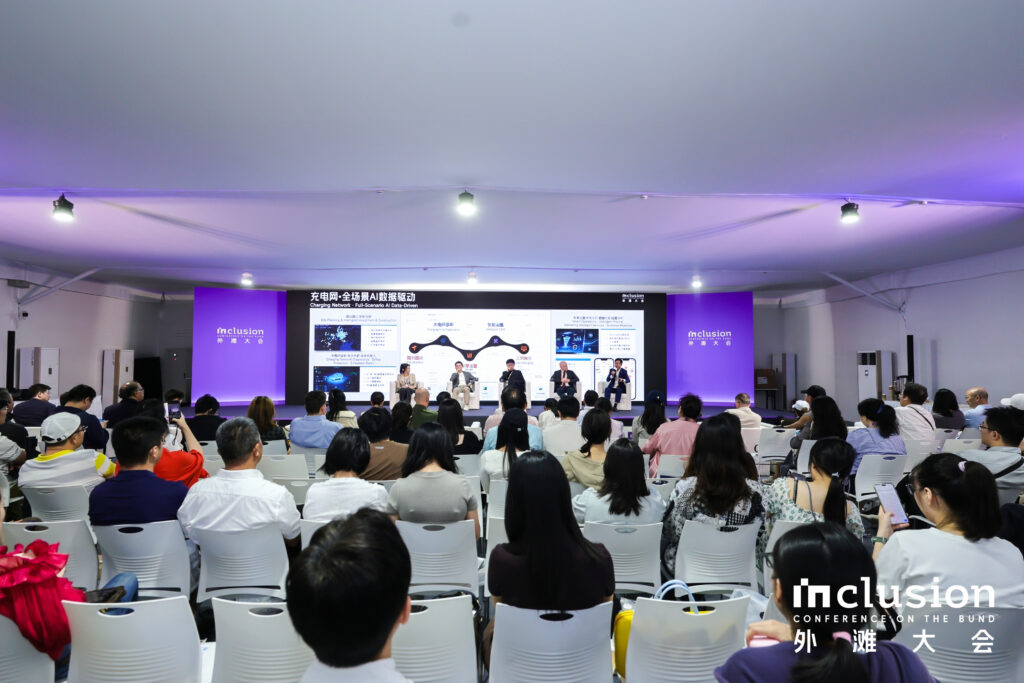
Scenes from the forum
Source: INCLUSION Conference on the Bund

The challenge, therefore, is not simply how to use AI to improve efficiency, but how to ensure that opportunities for human development are not overlooked. While AI can help people complete tasks more quickly, it cannot replace the experience of navigating real-world situations or the guidance and support that people receive from one another. In education, the goal is not merely to impart knowledge, but also to cultivate independent judgment, a sense of responsibility, and the ability to identify meaningful directions for one’s future.


Simon used the term “formation” to describe this broader process of human development. Rather than focusing solely on what a person can accomplish, “formation” asks what kind of person they are becoming. At a time when speed, scale, and measurable outcomes increasingly shape how success is assessed, the experiences and capabilities that take longer to develop deserve equal attention, even when their value cannot be immediately quantified.

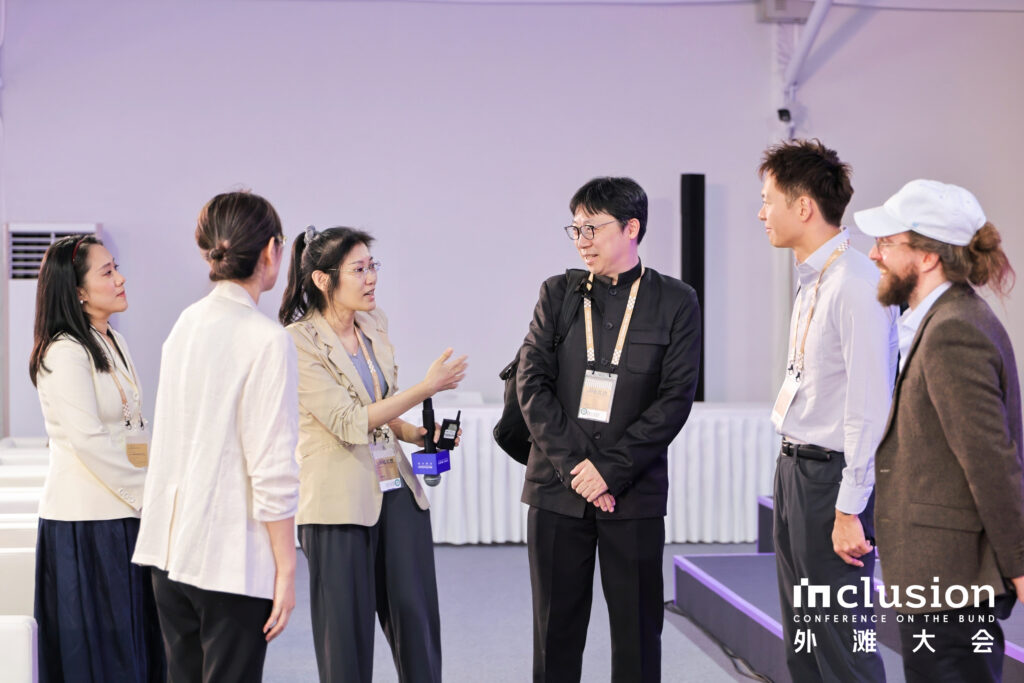
Simon Koo (third from right) speaks with fellow participants after the forum
Source: INCLUSION Conference on the Bund

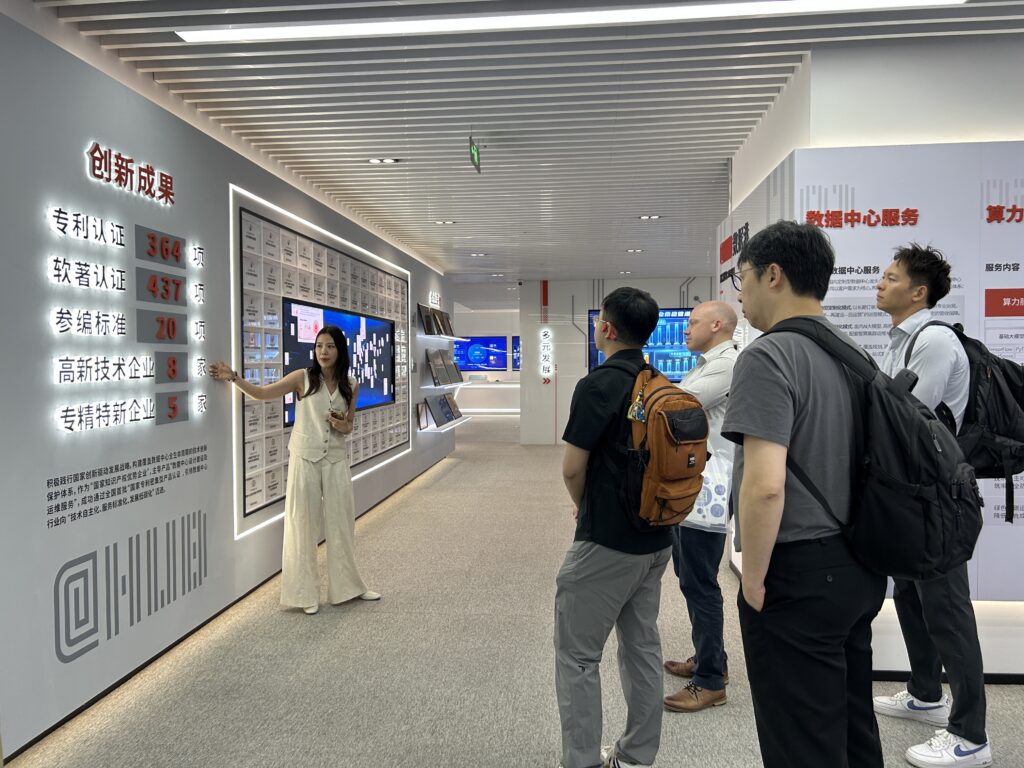
The discussion continued with a visit to Shanghai AtHub, a data center company in Shibei High-Tech Park, where Simon joined fellow experts and business representatives to exchange views on AI and corporate operations. The visit brought the ethical questions raised at the forum into a practical context, highlighting how decisions about AI adoption can shape business practices and long-term development.

Participants visit Shanghai AtHub Co. Ltd.

As AI continues to advance, its growing reliance on data centers, chips, and other computing infrastructure raises important questions about energy consumption, carbon emissions, and resource use. The increasing use of data in AI development and deployment also underscores the importance of data security and accountability. These considerations highlight the need to weigh the benefits of technological innovation against its broader social and environmental implications.


AI is transforming how people learn, work, and understand the world. Ensuring that technological progress supports rather than undermines human development will require ongoing dialogue across disciplines, cultures, and sectors.

Dr. Simon Koo exchanges insights with business representatives

Through its work in education and cultural exchange, TBC is committed to fostering learning, personal development, and engagement across cultures. Its participation in the 2026 INCLUSION Conference provided an opportunity to bring these perspectives into broader discussions about AI and its implications for society.


As AI makes information more readily available, independent judgment, personal responsibility, and learning through experience remain essential. Equally important is the question of how technology can best serve people and society. These questions call for continued reflection and exchange as AI becomes an increasingly integral part of our lives.

Source: INCLUSION Conference on the Bund

More To Explore

Cultural Dialogues

TBC’s Rare Books Featured at the Beijing Confucian Temple

TBC loaned three rare books to The Great Confucius exhibition at the Beijing Confucian Temple and Imperial College Museum, showcasing the spread of Confucian thought in Europe and centuries of cultural exchange.
Academic Highlights

TBC Speaks at the 2026 INCLUSION Conference in Shanghai

TBC participated in the 2026 INCLUSION Conference on the Bund in Shanghai, where Executive Director Dr. Simon Koo joined discussions on AI, human-centric values, and the implications of technological innovation for society.