跳到主要内容

The Beijing Center

Exploring China’s E-Commerce and Innovation Ecosystem: A Study Visit from Peru

Share This Post

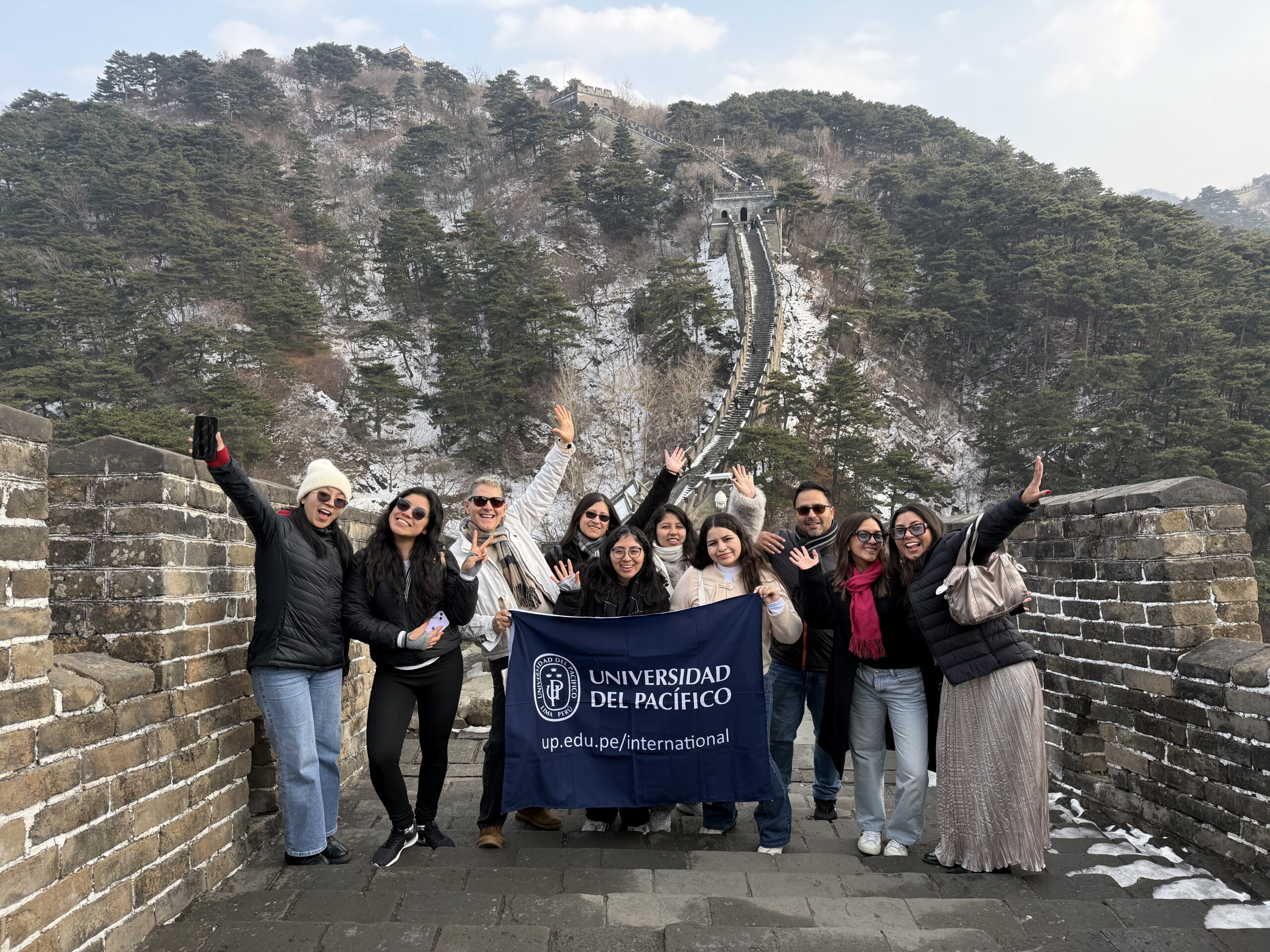
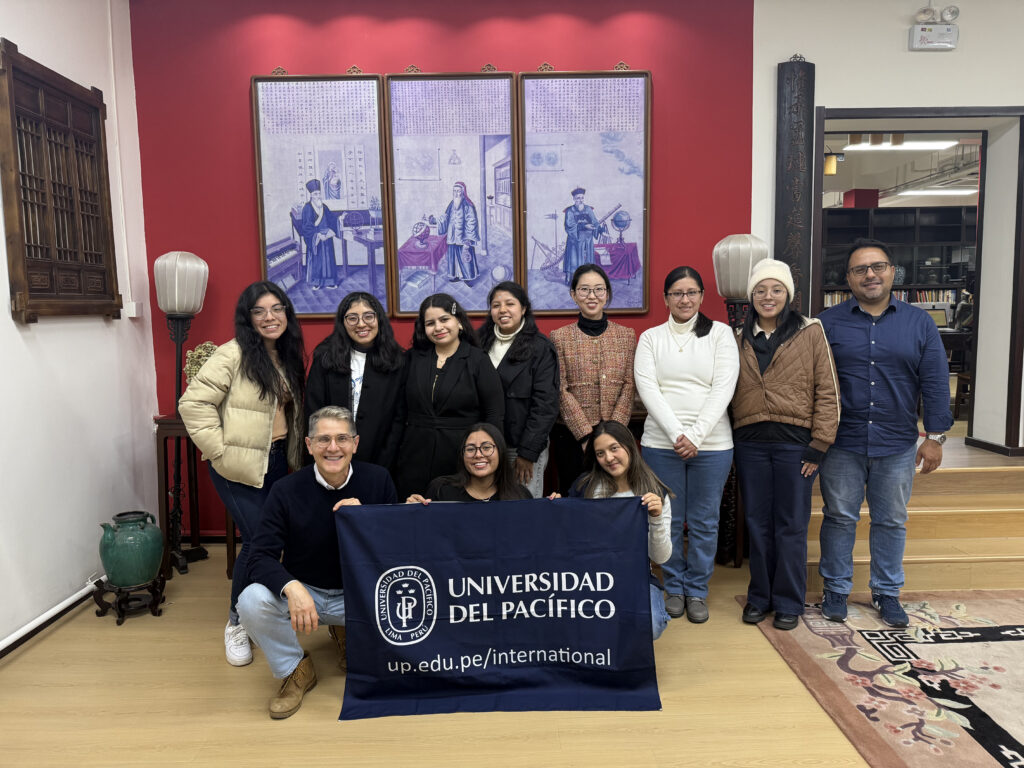
On March 7, a group of students and faculty from Universidad del Pacífico in Peru arrived in Beijing for an immersive study visit focused on China’s e-commerce and innovation ecosystem. Organized by The Beijing Center’s cultural exchange initiative, the program formed part of Professor Christian Fernando Libaque Saenz’s course, Asian Entrepreneurial Ecosystems, which encourages students to explore innovation beyond the classroom through firsthand experiences in some of Asia’s leading centers of technology and entrepreneurship.

For many of the participants, this was their first visit to China. Yet despite the geographical distance, China already felt surprisingly familiar.


Discovering a Culture Long Connected to Peru

“Chinese culture has been part of everyday life in Peru for generations,” shared student Arianna.

Peru is home to one of the largest Chinese-descendant populations in Latin America, and Lima’s Chinatown is among the oldest in the Western Hemisphere. Chinese influences can be found throughout Peruvian society, particularly in its cuisine. Local Chinese restaurants, known as Chifas—a term derived from the Chinese phrase chifan (eating)—have become an integral part of Peruvian food culture. Popular dishes such as Chaufa (fried rice) and Wantan (wonton) are now considered local favorites.

At Universidad del Pacífico, interest in Chinese culture continues to grow. The university hosts a Chinese language club, and students celebrate Chinese New Year each year with activities such as traditional dragon dances. For Arianna and many of her classmates, these cultural connections sparked a desire to experience China firsthand and better understand the country behind the traditions they had encountered at home.

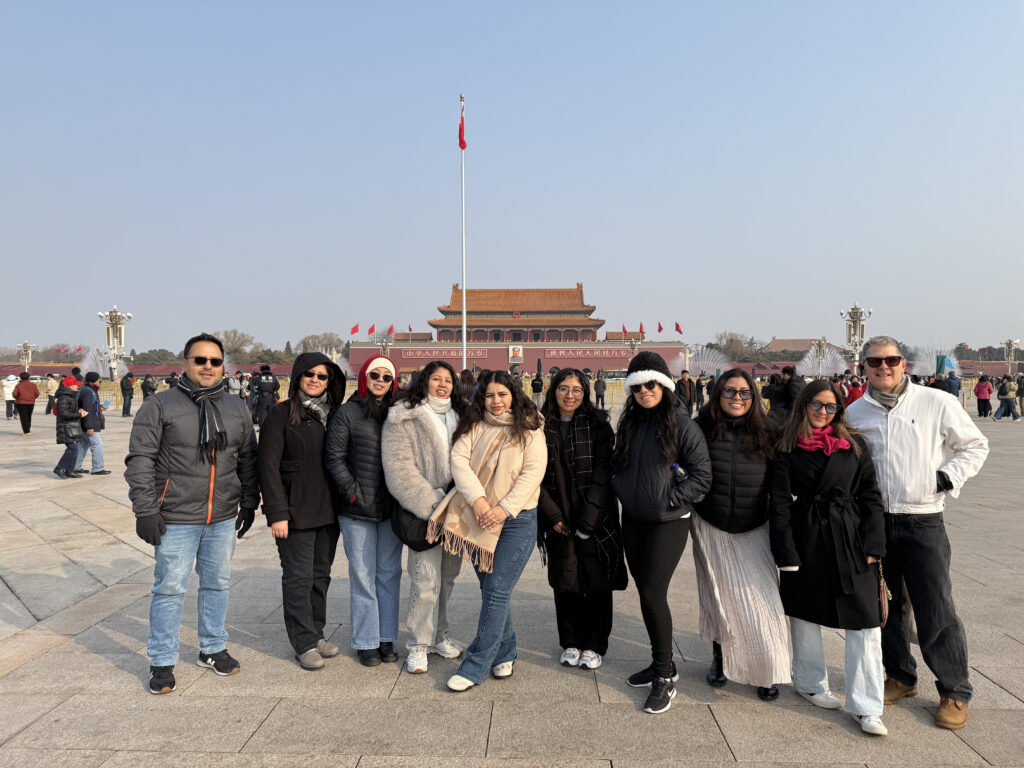
Students and faculty from Universidad del Pacífico visiting Tiananmen Square

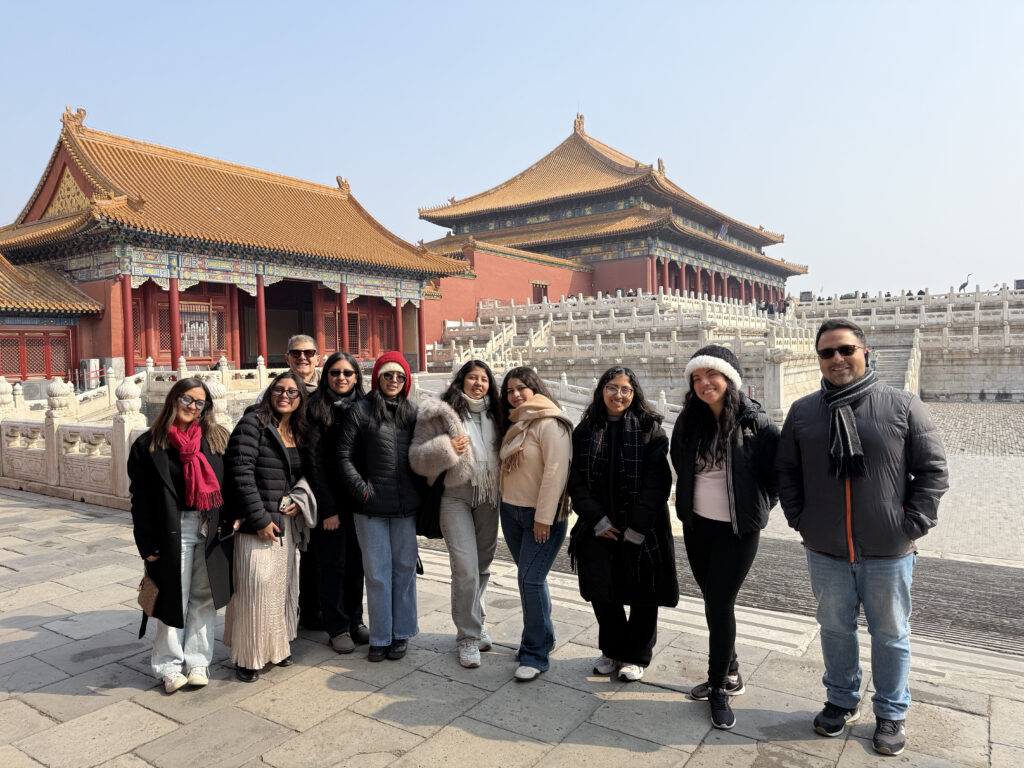
Exploring the Forbidden City in Beijing

Understanding China’s Digital Economy

Alongside cultural exploration, the study visit focused heavily on China’s business environment, particularly its highly developed e-commerce ecosystem.

Students attended lectures by Professor Bian Yang and Professor Dai Tianjing of the University of International Business and Economics (UIBE). Drawing on their respective areas of expertise, the two scholars offered complementary perspectives on China’s economic development.

Professor Bian introduced students to the broader context of China’s economy, discussing topics such as the Belt and Road Initiative and China’s evolving role in global trade and investment. Professor Dai focused on the development of China’s e-commerce sector, explaining the factors that have shaped one of the world’s most sophisticated digital marketplaces.

Together, the lectures helped students understand how technological innovation, consumer behavior, logistics infrastructure, and digital payment systems have combined to create China’s unique e-commerce landscape.

One topic generated particular interest among the Peruvian students: the convenience of online shopping in China.

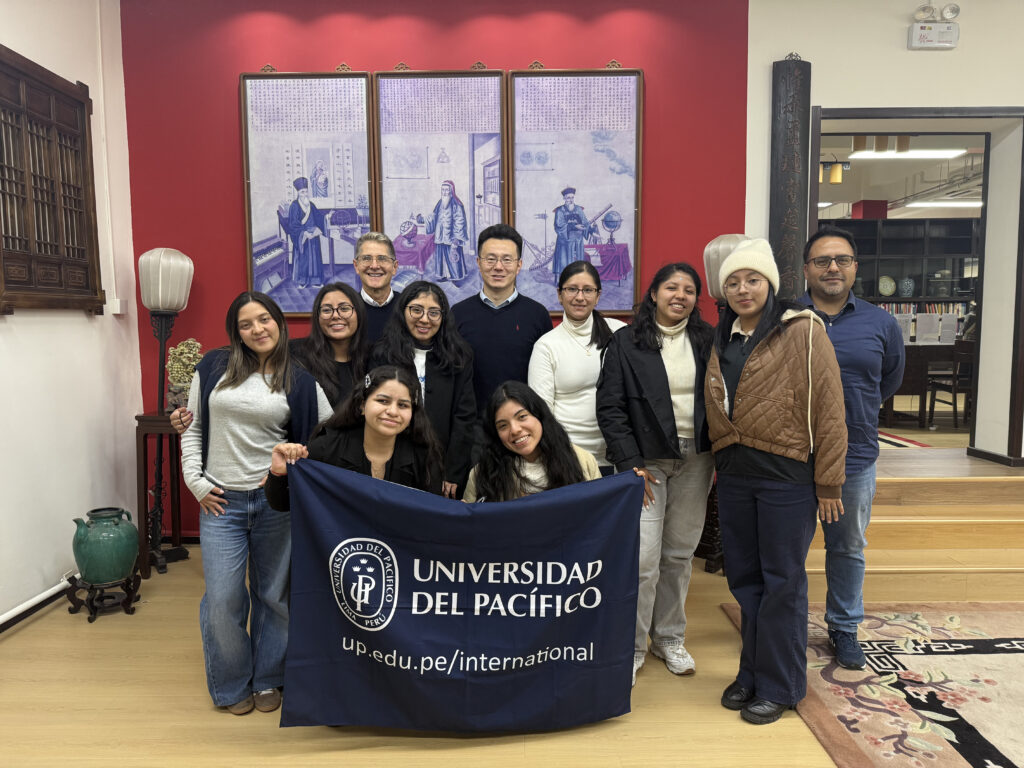
Group photo with Professor Bian Yang of UIBE

Group photo with Professor Dai Tianjing of UIBE

Comparing E-Commerce in China and Peru

“Peruvian consumers would also like to enjoy this kind of convenience,” said student Valeria, “but there are still many obstacles.”

She explained that while platforms such as Temu and the Latin American marketplace Mercado Libre are widely used in Peru, delivery times are often much longer, sometimes taking several weeks, or even more than a month. Consumer confidence in online payments and banking systems also varies, and concerns about product quality continue to influence purchasing decisions. As a result, many Peruvians still prefer shopping in physical stores.

These differences made students particularly curious about how China has built an ecosystem capable of supporting fast, reliable, and large-scale online commerce.


Inside JD.com’s Smart Logistics Network

To see that system in action, the group visited JD.com’s Asia No. 1 Smart Logistics Park in Beijing’s Daxing District, one of the company’s flagship logistics facilities.

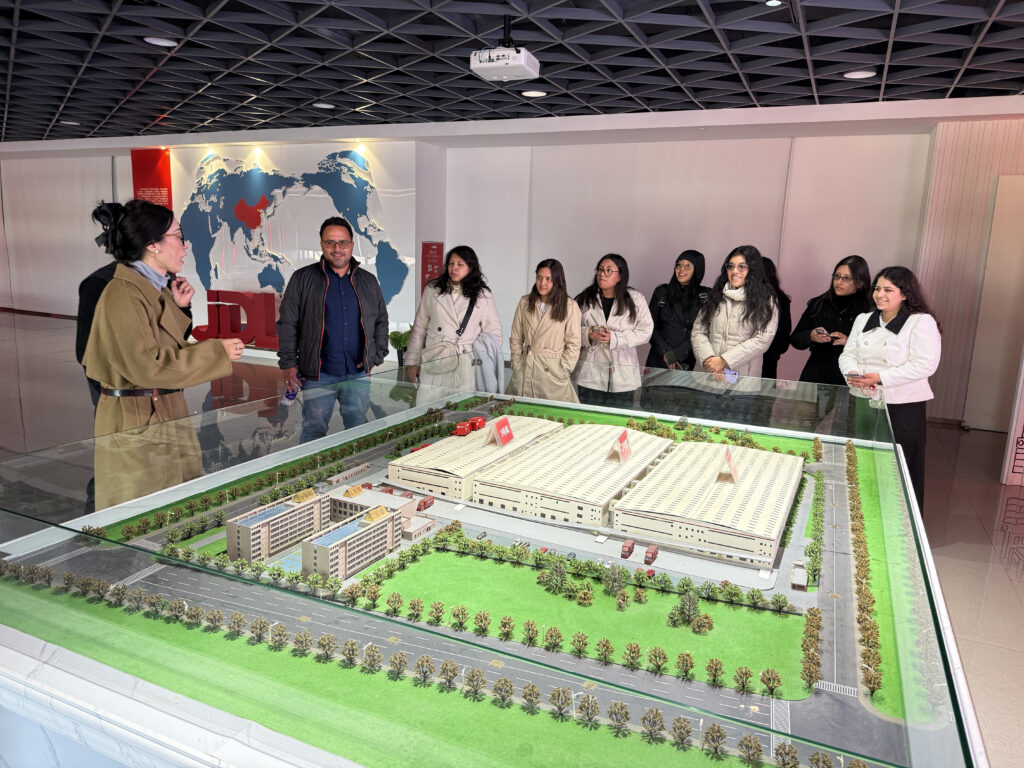
The vast complex includes warehouses dedicated to cold-chain storage, pharmaceuticals, consumer electronics, and other products, as well as highly automated sorting centers responsible for processing massive volumes of packages each day.

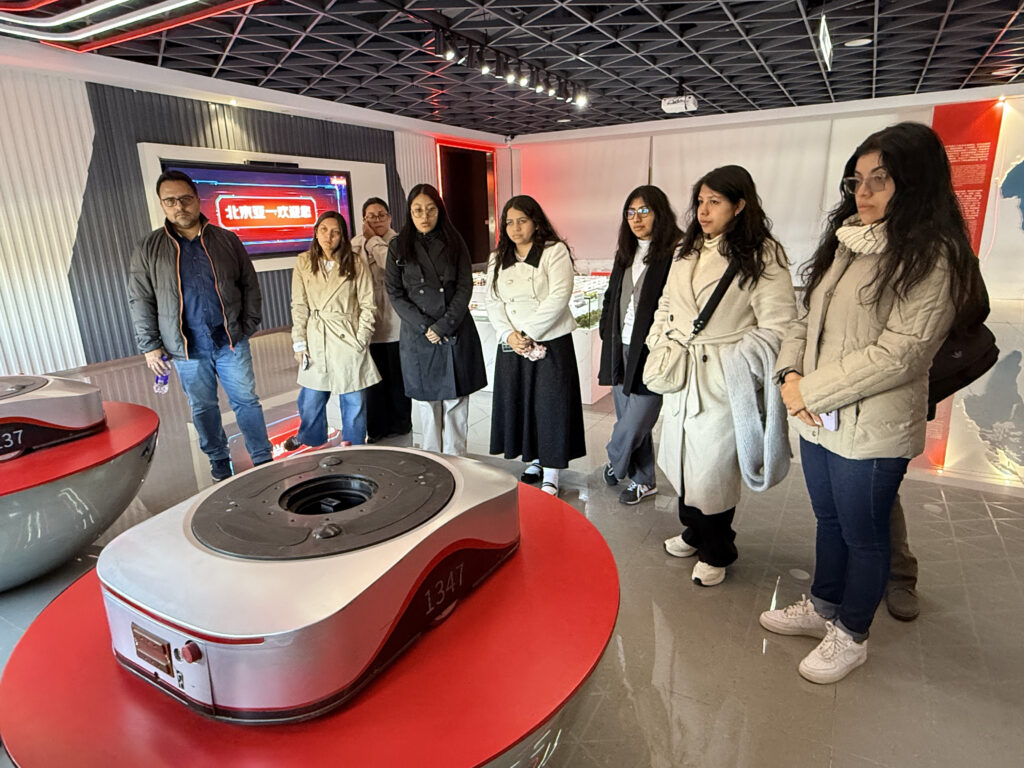
Students observed a range of advanced technologies, including automated storage systems, intelligent warehouse robots, and high-speed sorting equipment. Watching the machinery operate in real time gave them a clearer understanding of the infrastructure behind China’s rapid delivery services.

For many participants, the visit transformed what had previously been an abstract concept into a tangible reality. The speed and efficiency of China’s logistics network became much easier to understand after seeing the technology at work.


Looking Toward Future China–Peru Connections

The visit also prompted discussions about the Chancay Port project, a major China–Peru cooperation initiative frequently highlighted as part of broader Belt and Road collaboration. Students recalled Professor Bian’s lecture and reflected on how improved transportation links could strengthen trade between the two countries.

They expressed hope that as the port continues to expand operations, logistics efficiency between China and Peru will improve further, making international commerce faster, more reliable, and more accessible for consumers on both sides of the Pacific.

Students learn how JD.com’s robots operate

A JD.com staff member introduces the overall layout of the company’s smart logistics park

Learning Through Experience

By combining classroom learning with company visits, the program offered students a valuable opportunity to explore China’s innovation ecosystem from multiple perspectives.

Beyond learning about e-commerce, logistics, and digital technologies, participants gained a deeper understanding of contemporary Chinese society and its rapid transformation. Many students noted that China’s mature e-commerce infrastructure provided fresh insights into the future possibilities for digital commerce in Peru and inspired them to think more broadly about innovation and entrepreneurship in their own country.

More To Explore

Cultural Dialogues

Summer Language Program – Student from Marquette 

This past summer at The Beijing Center (TBC), students from Marquette University took TBC’s Chinese language courses for college credit. TBC’s program offers an intensive, immersive curriculum in the heart of Beijing.

Cultural Dialogues

American Jesuit High Schools Servicing Local School Children 

This past summer in China, TBC connected students from Notre Dame School of Manhattan and Xavier High School with some of Beijing’s local elementary students. The young children were shy at first, but they eventually loved interacting with their new American friends.