The Beijing Center

Yunnan Excursion: A Life-Changing Cultural Experience

Share This Post

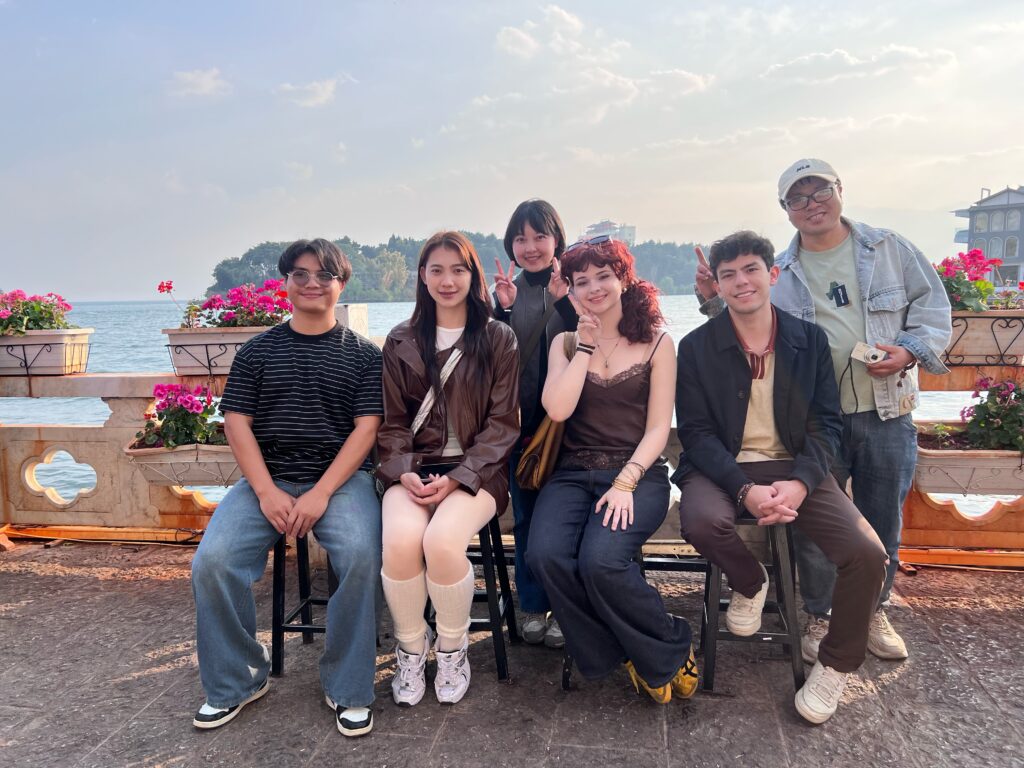
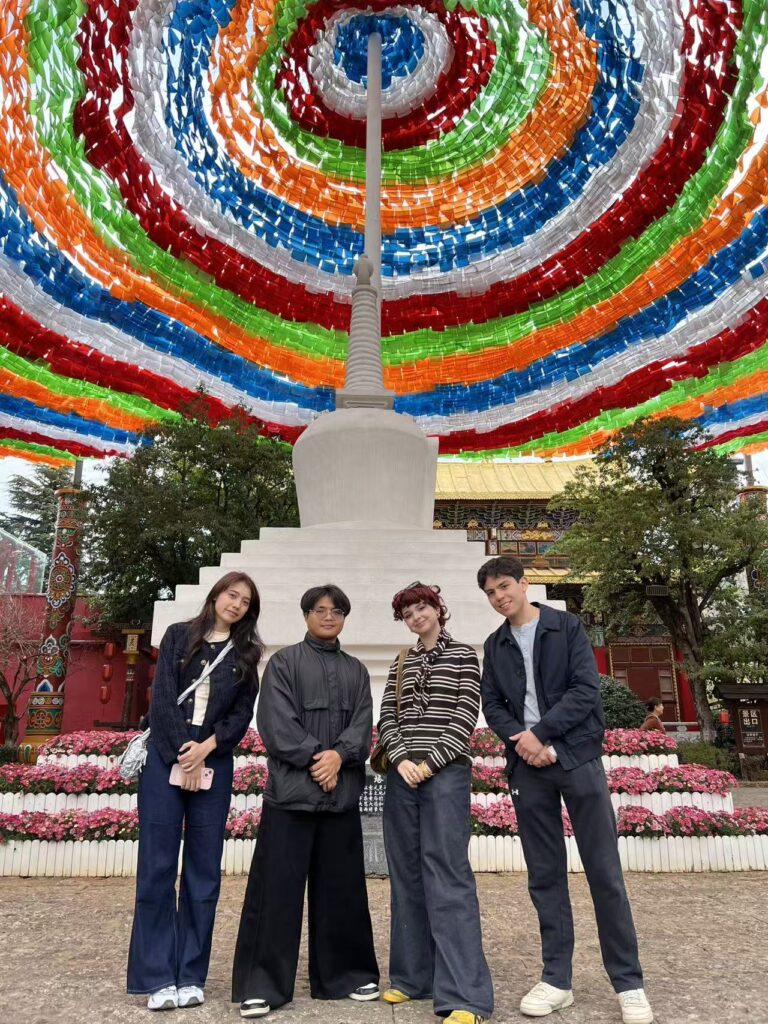
My name is Jane Turner, and I’m a student from America- a second-year at Saint Louis University in St. Louis, Missouri. Although I’m studying in the middle of America, I come from the very south, from a state called Louisiana. Coming from a rural area of the United States, in high school I could hardly imagine leaving the country, much less traveling around China; I never could have predicted that two years after graduation I’d be not only studying in China but also speaking Chinese and experiencing such a wide range of cultures. For me, that made this trip to Yunnan much more personal and interesting. From March 6th to March 14th, I spent my first full week living in China traveling around a province in Southern China called Yunnan; the experience was something I hope I’ll remember for the rest of my life.

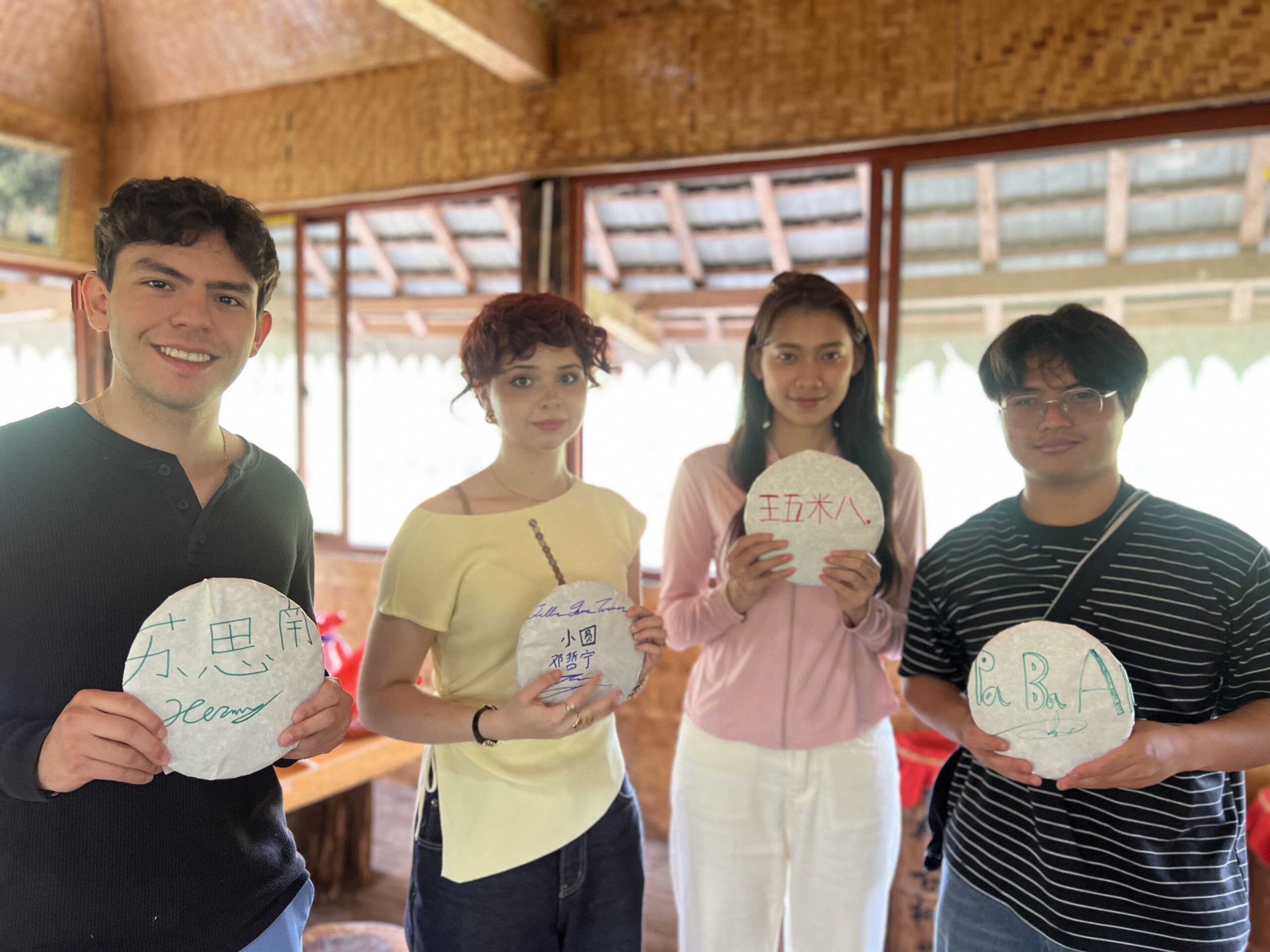
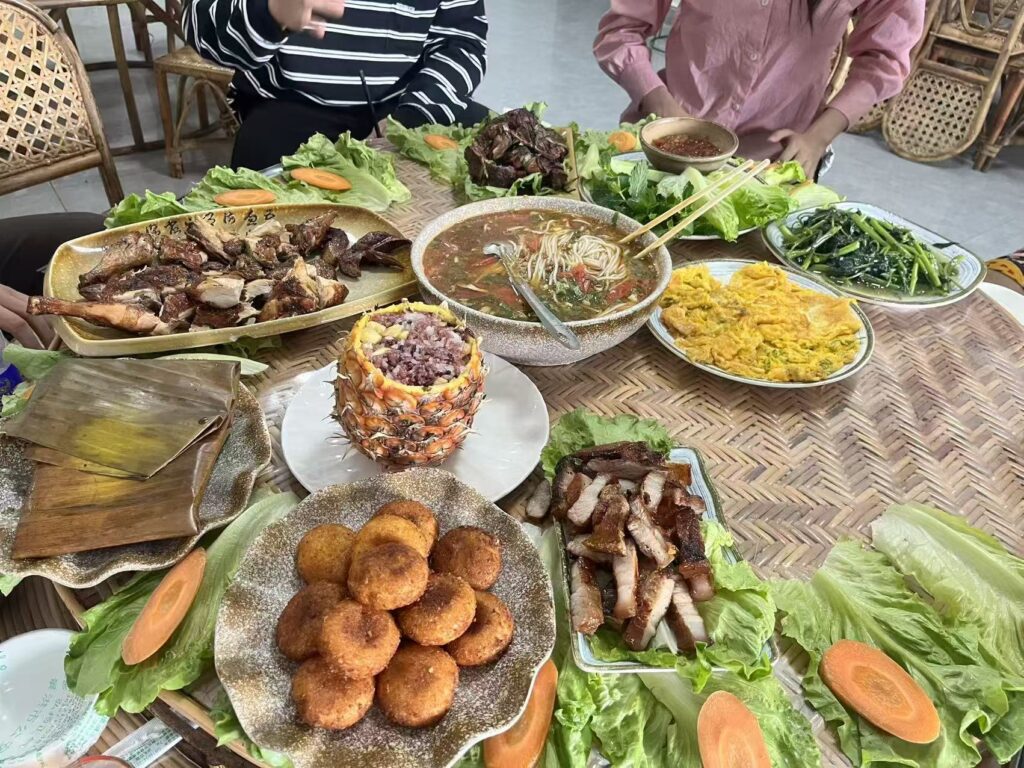
Yunnan is home to many ethnic groups, languages, and landscapes. Some of them were comfortingly familiar, and some of them were like nothing I’d seen before. Throughout my trip, I got to visit Xishuangbanna, Dali, Lijiang, Shaxi, Erhai Lake, Cangshan Mountain, and a few other smaller towns in the area. We met and interacted with people from many cultures along the way as well: Bai, Dai, Naxi, Yi, and more. Not only did I get the chance to have the typical tourist experience in these areas, I had the privilege of going a step further and getting some true insight into these cultures’ traditions. Tourist experiences are definitely important and profitable for the people living in these places, but I feel like they lacked the depth of experience I found in some of the more traditional and private activities. The food specifically was incredible- we got to eat from restaurants, but also got to experience some traditional home cooking a few times. Chicken feet, congealed blood hotpot (yes, that is exactly what it sounds like, and it’s delicious), pineapple stuffed with rice, traditional steamed cornbread, fresh picked dragonfruit, tree moss, local mushrooms, roadside noodles, rose pastries, sheep’s cheese with sugar, fried tofu, and much more; if you can name it and it was local, we probably ate it. It’s one thing to just eat the food, but it’s another to have it cooked in a family home, to learn it’s history and experience it freshly made, or to eat the dragonfruit straight out of the orchard, or to pick the tea you’ll get to taste in the afternoon. Like many things in life, the effort and the knowledge behind it made it all taste twice as good.

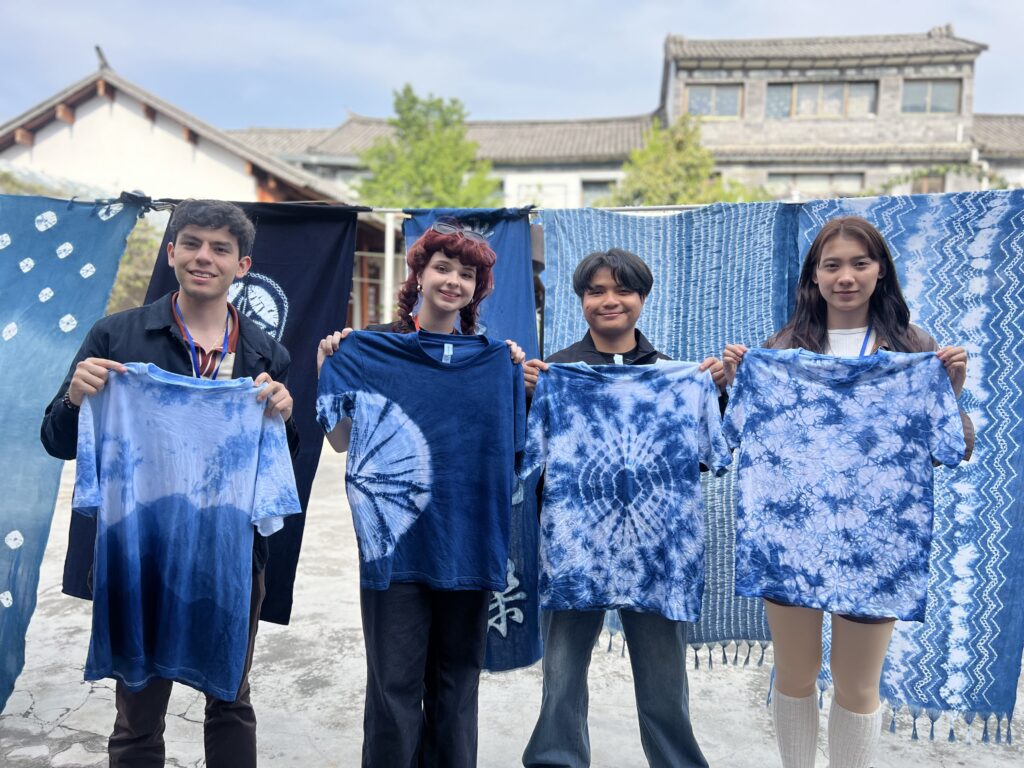
Yet another cultural point I had the privilege to experience was all the forms of art from these ethnic groups. Traditional Bai tie-dye, Naxi pictographs and language, Dai palm-leaf carving and language, papermaking, tea ceremonies, and traditional dances and songs from both Naxi and Dai groups. There is something almost magical about having songs sung to you and getting the chance to learn them back that are thousands of years older than you- I also got the opportunity to introduce the Bai people to a traditional song of mine (Valse du Vacher, an old Cajun song), which was equally magical. So many of these things I got to do will stick with me as deeply unique sensory experiences: the taste of 10-year-old Pu’er tea on a mountain top, the smells of freshly made paper in the sun and indigo dye in a workshop, the sound of a real sanxian (a type of traditional, three-stringed lute instrument from the area), how it feels to dance on the cobblestones of an ancient family home in Manzhang Village or in traditional Bai clothes in Dali. These once-in-a-lifetime experiences are so strong in my memory now that I suspect I’ll remember them for a very long time, and I can only hope I’ll get to experience them again someday. Additionally, as a language student here in China, I obviously have an interest in language, so getting to hear these dialects and learn the scripts and words was incredible. Their history, their meanings, their similarities and differences to modern languages like Mandarin and Thai were all genuinely interesting to learn.

The Bai tie-dye in particular was a favorite of mine for a surprising reason: I’ve been doing it all my life without ever wondering where it came from. It’s a classic American summer camp activity that I’ve done countless times, but it wasn’t until I got to make it with the craftswomen in the traditional way and see the intricate patterns they’re capable of that I ever thought about the origins of it as a tradition. While it has ancient origins across the world (largely across Asia, Africa, and some parts of South America), it’s found to trace back to ancient China and Peru. It was a lightbulb moment to realize how something I’ve loved making throughout my life has its roots right where I am standing, with the people I’m making it with. That is the beauty of intercultural connection to me; the things we love and do can stretch across 8000 miles of ocean and 2000 years of time and still come back together in the end.

Despite all these experiences, what still stood out to me the most was the people. From my travel buddies to my drivers, my guides, my various amazingly patient teachers, and the strangers on the streets, I would not have had the experiences I did without the people who helped me along the way or just brightened my experience. There are too many stories to tell, but there are standouts for sure. Tasan, one of my travel buddies from Thailand and a student at Xavier Learning Community, negotiated me a discount on a souvenir for my mom because he could speak the local dialect. A group of girls dressed in traditional clothes in Lijiang Ancient Town took pictures with me one night because I was “pretty like a doll”. An old woman helped me figure out how to pay for noodles in Dali when my WeChat pay broke. Dennis, one of my guides, bought me fresh mangoes from a fruit stall to try. Countless people- other tourists, locals, store staff, friends, and staff- helped me out and were patient with me when my currently minimal Chinese failed me. No matter what was happening or what I needed, there was always someone for me to turn to. I’ve never been farther away from home in my life, but these people and places I was so fortunate to visit for a short while, although strange and new, felt just as much like home as anything in Louisiana ever could.

More To Explore

Global Connections

Yunnan Excursion: A Life-Changing Cultural Experience

My name is Jane Turner, and I’m a student from America- a second-year at Saint Louis University in St. Louis, Missouri. Although I’m studying in the middle of America, I come from the very south, from a state called Louisiana.

Global Connections

A Journey Inward: Culture, Identity, and Encounter in Yunnan

My name is Panatsaya, a third-year student at Xavier Learning Community (XLC) / Saengtham College, Xavier Campus, Chiang Rai (SC-XCC), and I come from the Akha ethnic community. Questions of culture, identity, and belonging have never been abstract to me—they have always been part of my daily life.

Global Connections

Yunnan Excursion: A Journey That Changed How I See the World

My name is Tasan Sisuphasap, a third-year student at Xavier Learning Community (XLC), Saengtham College, Xavier Campus, Chiang Rai (SC-XCC), and I come from a Karen ethnic community. Growing up on a mountain, the world beyond my village often felt far away and unfamiliar.