跳到主要内容

The Beijing Center

Students from Hong Kong, Taiwan, and the US Discover Chinese Culture in Beijing

Share This Post

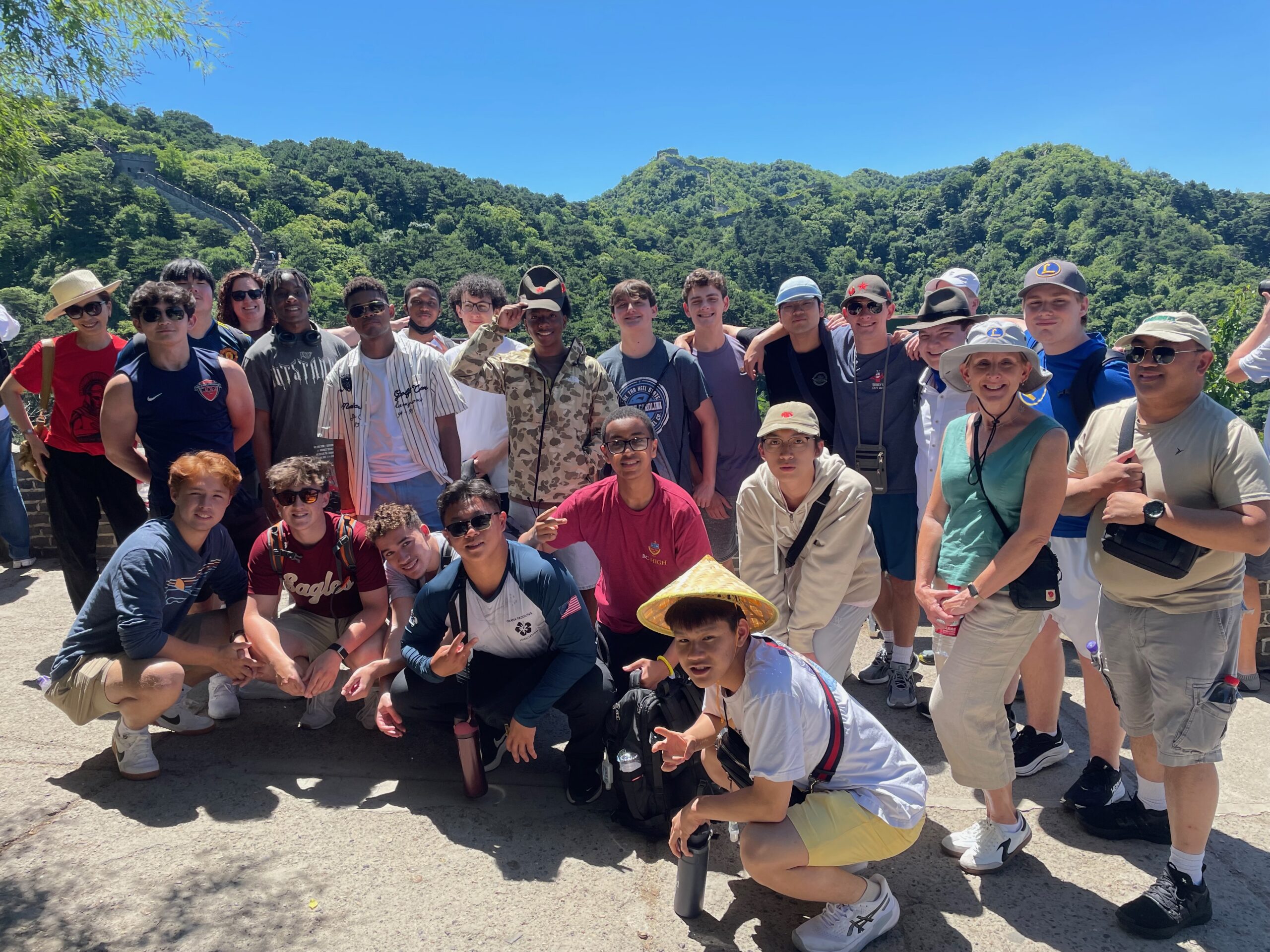
For students from Hong Kong and Taiwan, Beijing can feel both familiar and unfamiliar. This summer, high school students from Kowloon Wah Yan College in Hong Kong and St. Ignatius High School in New Taipei City, Taiwan, joined their peers from Loyola Blakefield and Boston College High School in the United States for a week of cultural exploration and exchange in Beijing, organized by The Beijing Center (TBC). Through visits to historic landmarks, hands-on traditional arts activities, and everyday interactions, the students discovered new perspectives on Chinese culture and built friendships across cultural backgrounds.

The students from Hong Kong and Taiwan were initially somewhat shy around their American peers. But as conversations started and the group spent more time together, the initial awkwardness quickly faded. They soon discovered that connecting across cultures wasn’t so much about speaking the same language as it was about being open to one another. Sometimes, all it took was a simple greeting, a smile, or a shared experience to bring people closer together.

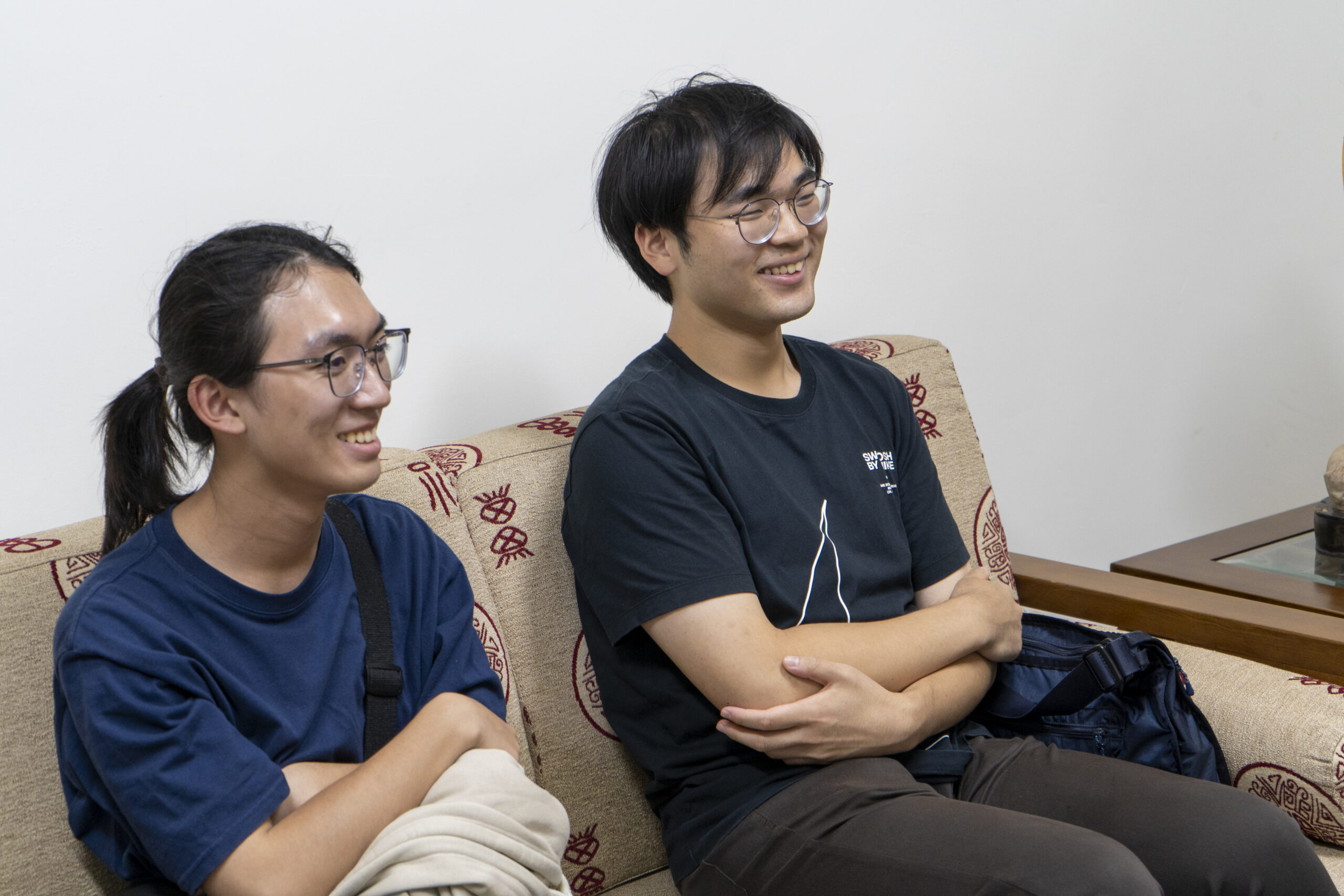
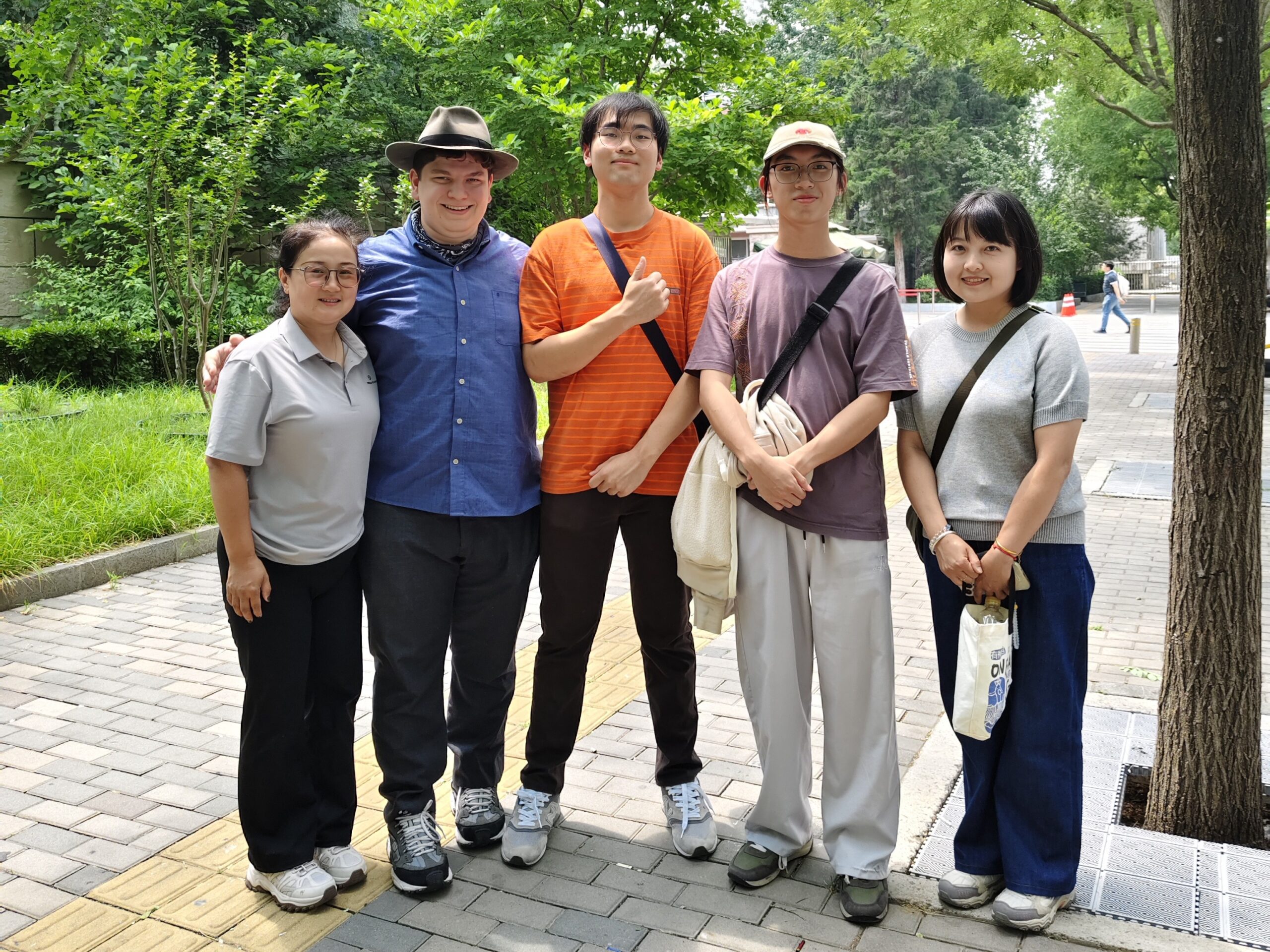
Lin from St. Ignatius High School in New Taipei City, Taiwan (left), and Chan from Kowloon Wah Yan College in Hong Kong share their experiences in an interview

Throughout the week, the students explored traditional Chinese cultural activities, including Peking opera, inside-painted snuff bottles, and tai chi. They also visited some of Beijing’s most iconic landmarks, including the Great Wall, Tiananmen Square, and the Forbidden City, gaining a deeper appreciation of the city’s history and cultural heritage.

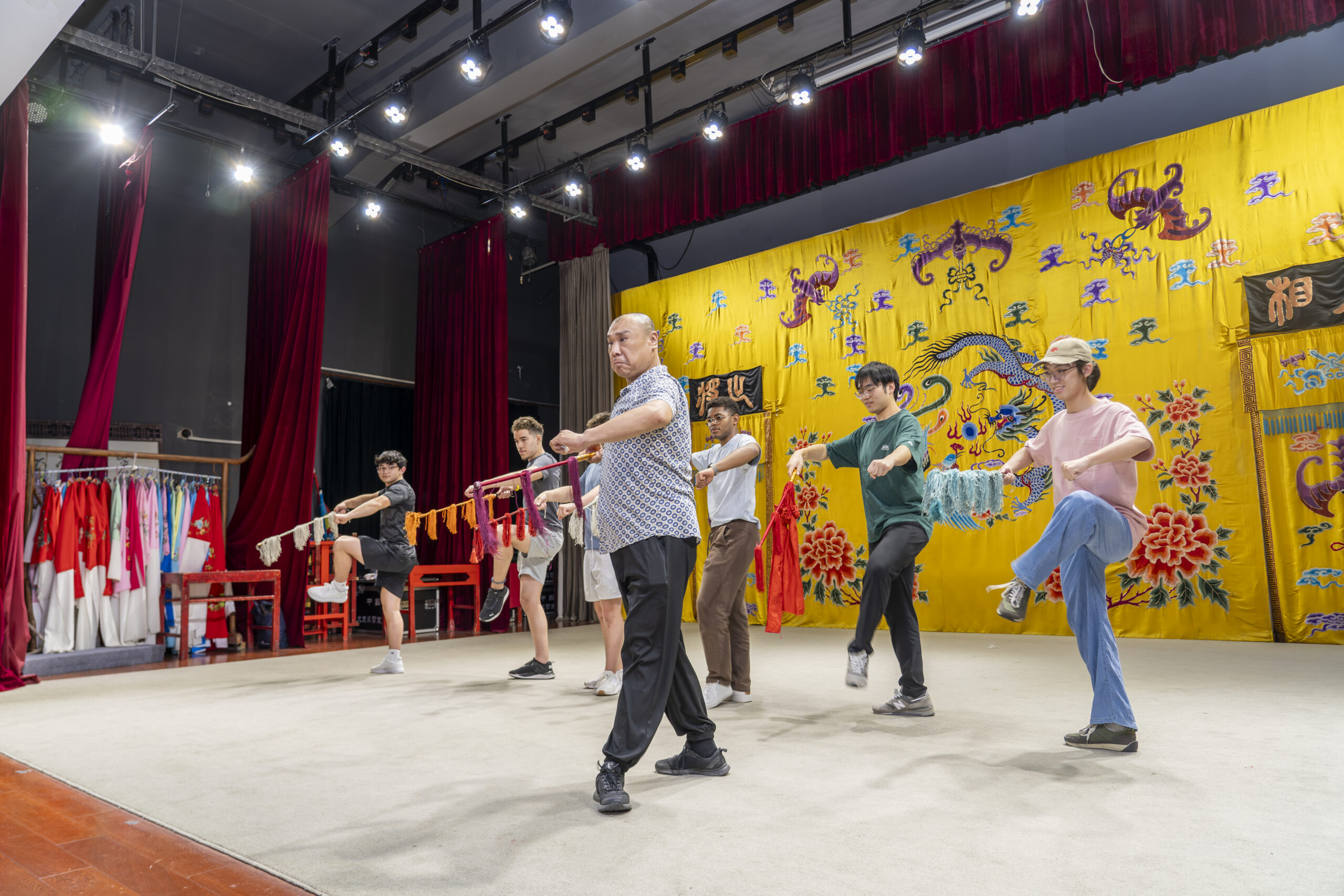
Students learn movements from Peking opera

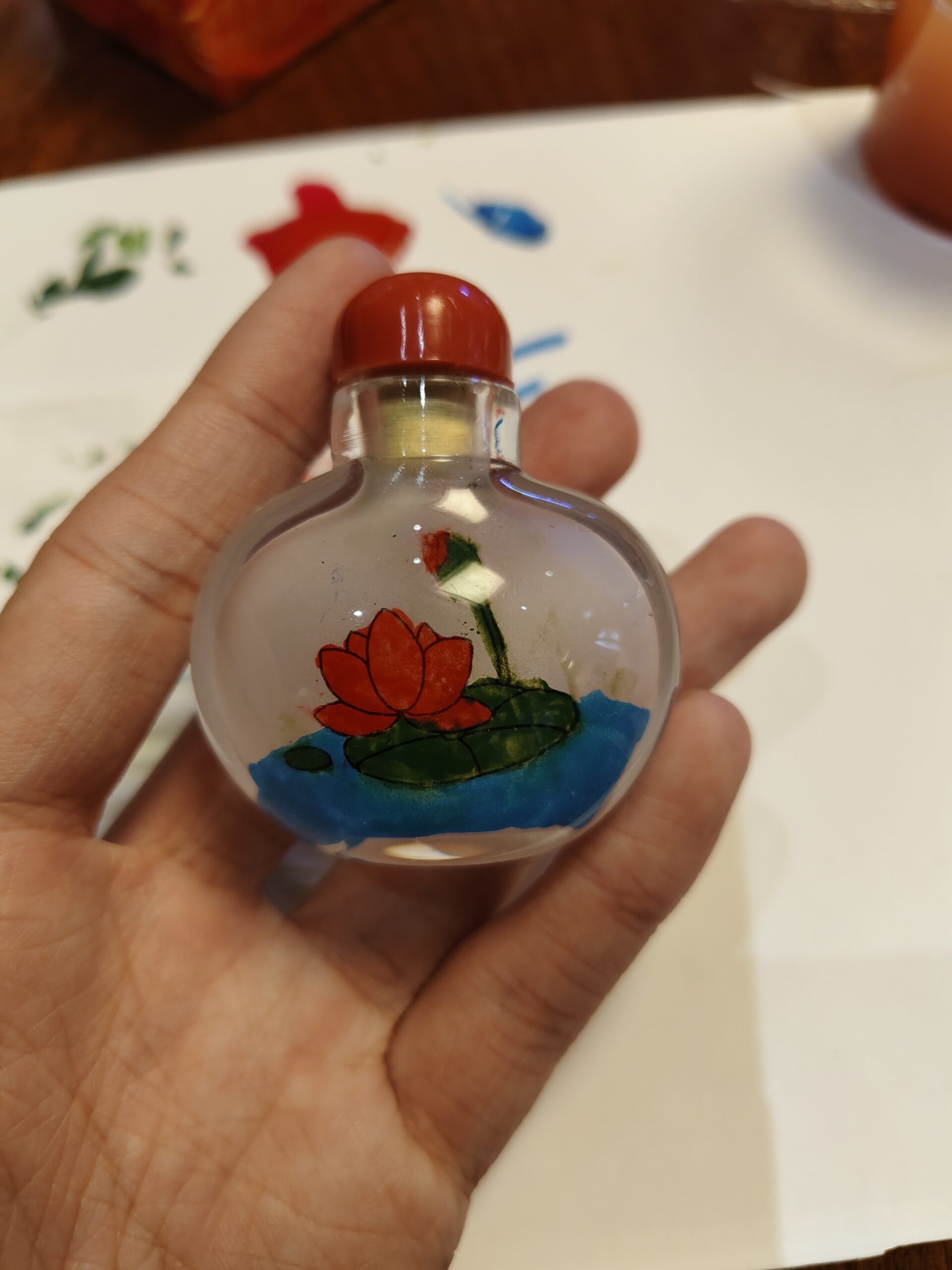
The art of painting the inside of snuff bottles left a particularly strong impression. Under the instructor’s guidance, the students used specially designed curved brushes to paint lotus leaves and flowers on the inside walls of small glass bottles. What appeared to be simple strokes required considerable patience and skill, and the students spent nearly half an hour completing their own pieces. When the instructor presented a finished bottle of her own work, the intricate details and remarkable craftsmanship drew admiration from the group. The students said that trying the technique themselves gave them a much greater appreciation of its complexity and helped them understand the dedication required to preserve traditional intangible cultural heritage.

A student’s work of an inside-painted snuff bottle

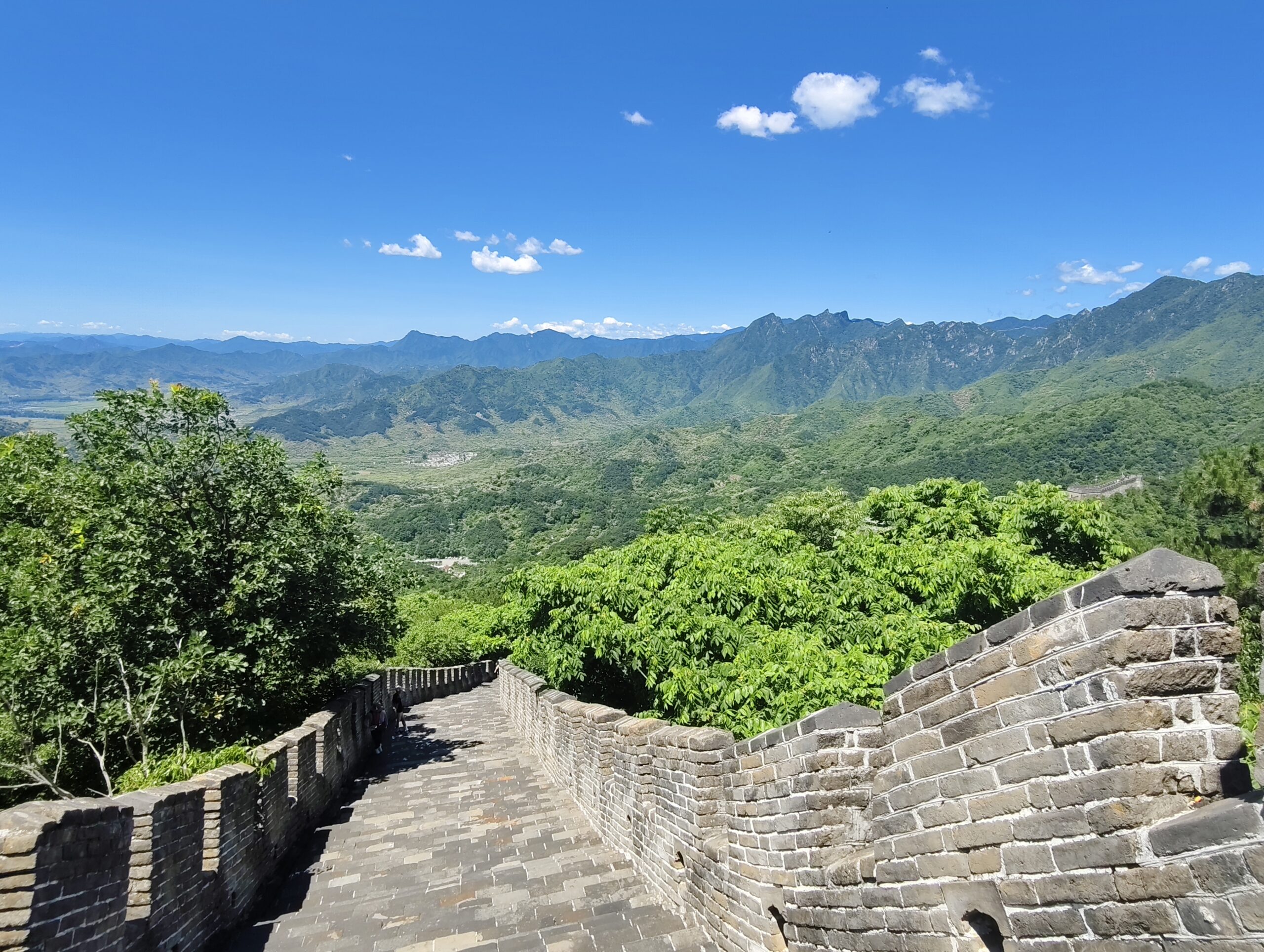
Climbing the Great Wall offered another memorable experience. The steep steps astonished the students, particularly in sections where the ascent seemed almost vertical. “Some of the steps were nearly at a 90-degree angle. After climbing them, I kept wondering how soldiers in the past managed to fight battles in such places,” said Lin from Taiwan. Walking along the Wall gave him a firsthand sense of the ingenuity and resilience of those who built and defended it, bringing the history behind the landmark to life in a way that textbooks alone could not.

Landscape of the Great Wall

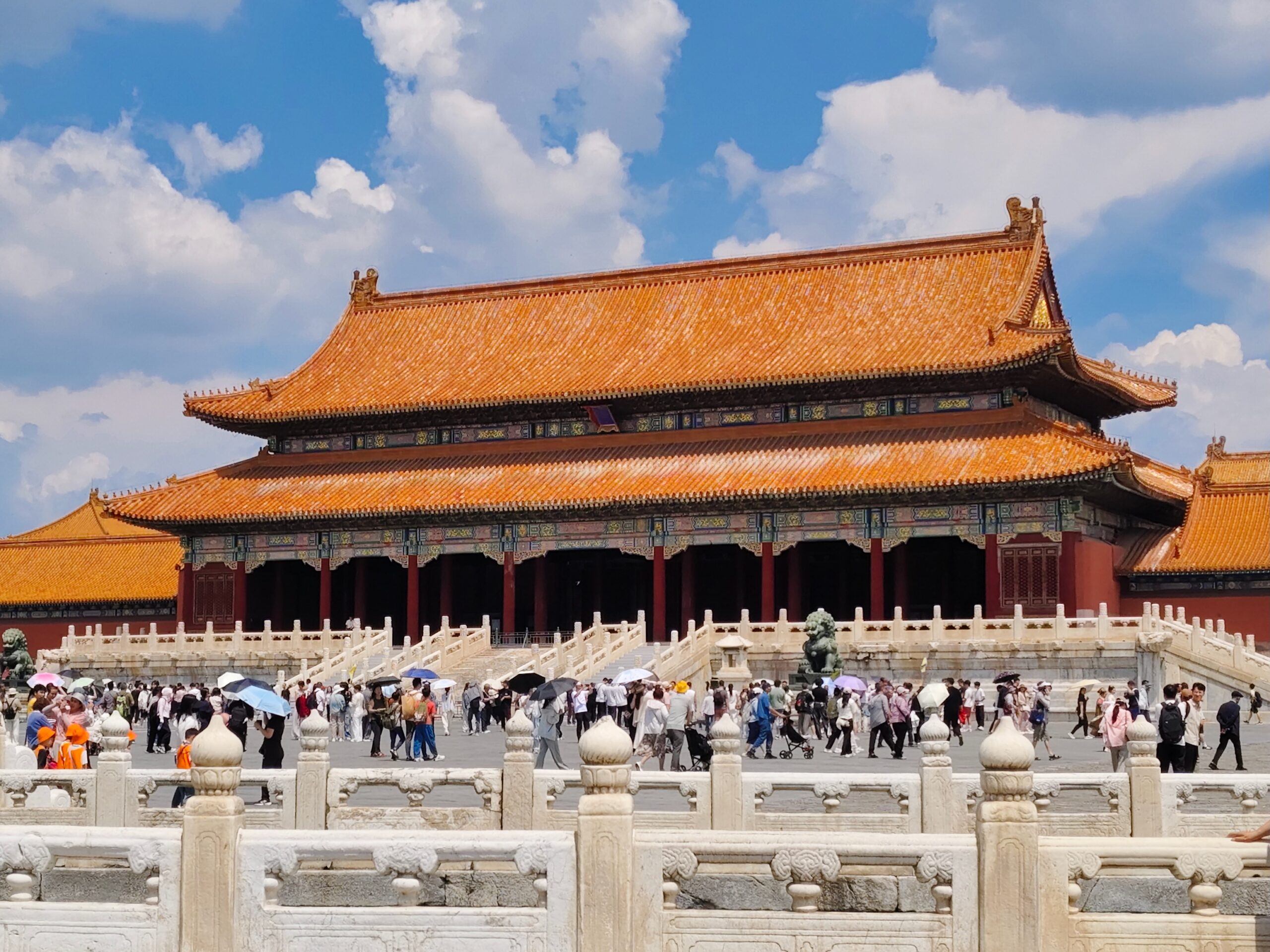
The Forbidden City offered a different kind of encounter with China’s past. Its grand architectural layout, successive courtyards, and expansive palace buildings made a lasting impression. “As we passed through one gate after another, new courtyards, palaces, and the moat kept appearing before us. I couldn’t stop taking pictures,” Lin recalled. Seeing these historic structures, preserved over centuries, gave him a more tangible sense of the depth of Chinese civilization and made the history he had studied feel more immediate and real.

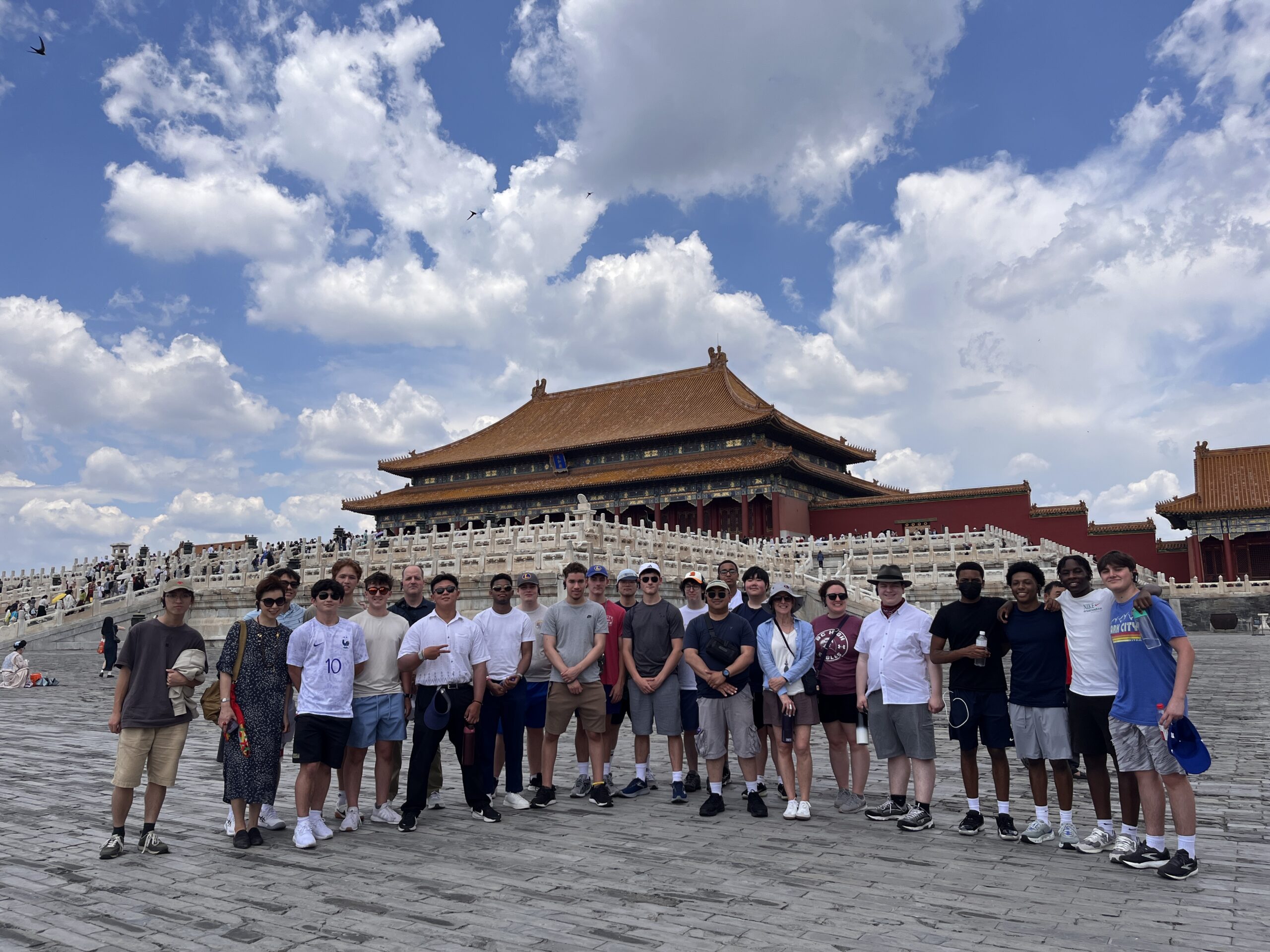
Visit the Forbidden City

While Beijing’s historical sites deepened the students’ understanding of the city, conversations with their American peers encouraged them to look at Chinese culture from new perspectives. During their visit to the Forbidden City, the American students asked questions about the arrangement of the palace buildings, the symbolism behind their design, and the ideas underlying traditional concepts such as yin and yang and feng shui. In cultural classes organized by TBC, they explored Confucian and Daoist thought and the values embedded in Chinese traditions.

The students from Hong Kong and Taiwan noticed that their American peers were not simply looking to compare cultural differences. Instead, they asked thoughtful questions and listened attentively, seeking to understand the historical context and cultural significance behind the traditions they encountered.

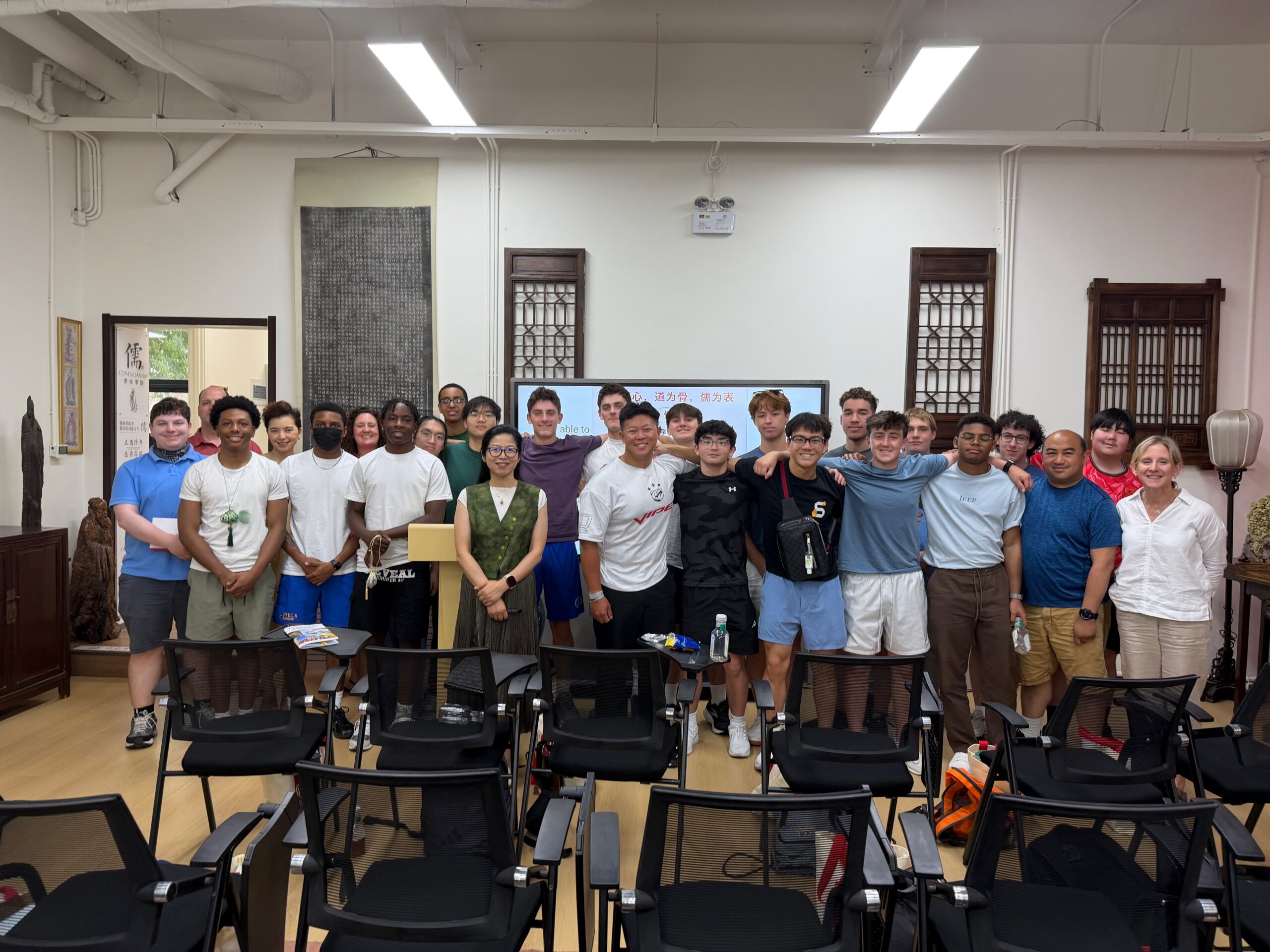
Students attend a class on Chinese culture

Responding to their American peers’ questions also prompted the students from Hong Kong and Taiwan to reflect on how they could better explain a culture they had grown up with. When discussing Chinese history, traditional festivals, food, and everyday life, they moved beyond brief answers and began sharing their own interpretations and experiences in clearer, more engaging ways.

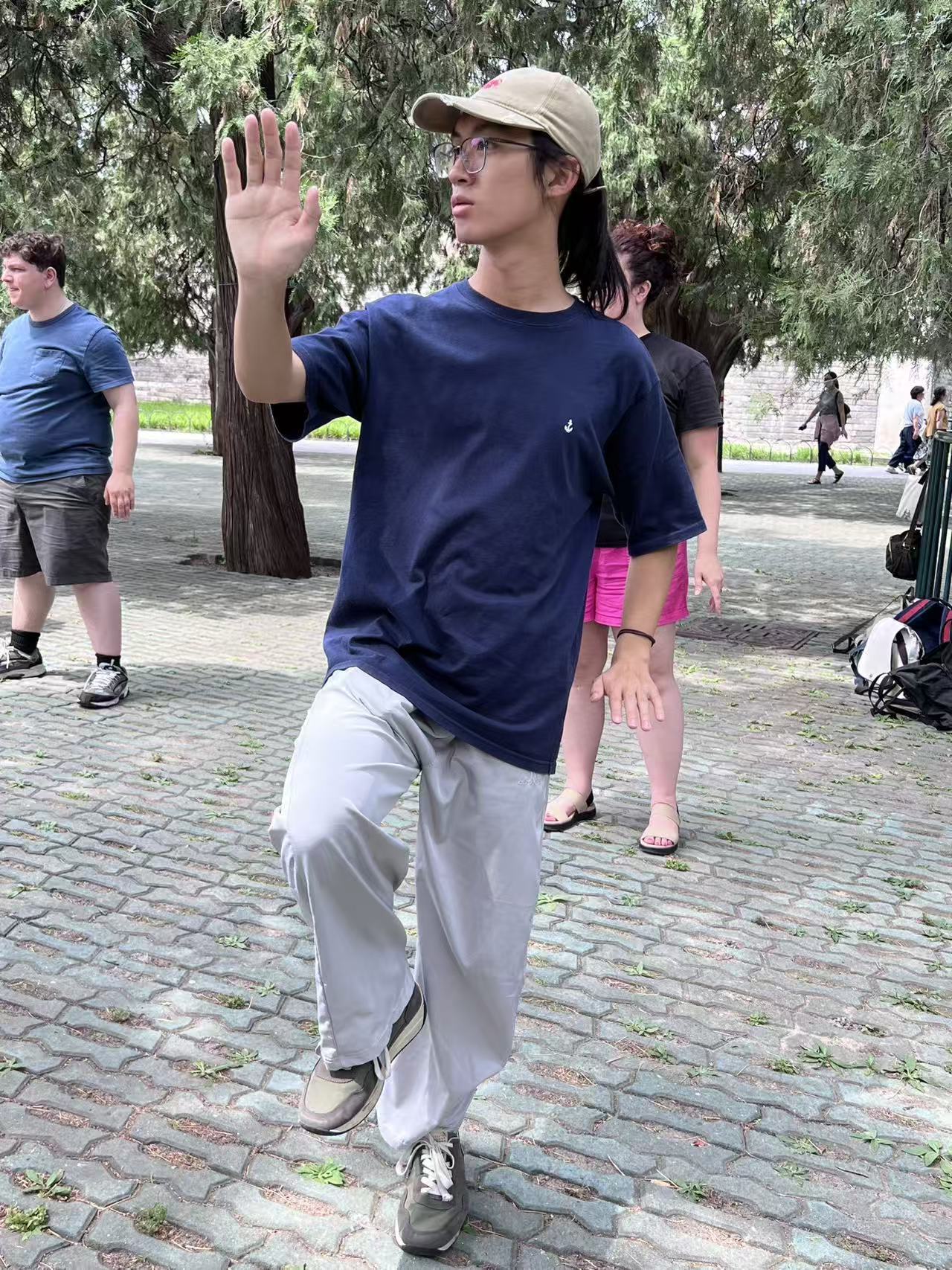
Students learn tai chi

Chan from Hong Kong found this particularly meaningful. He explained that his previous encounters with Chinese history and culture had largely taken place in the classroom. This exchange gave him the opportunity to introduce that culture to others himself. “When you have to explain it to friends from another country, you realize there is still so much more to learn,” he said.

These exchanges extended well beyond classrooms and sightseeing trips, becoming part of the students’ everyday interactions. At mealtimes, the American students practiced using chopsticks and tasted Beijing roast duck, dumplings, and other Chinese dishes. Some asked how to express common phrases in Chinese, eager to expand their vocabulary. At Hongqiao Market, their peers from Hong Kong and Taiwan helped translate and communicate with shopkeepers, making it easier for the American students to shop.

Whether teaching a Chinese phrase, explaining a local dish, or sharing an everyday cultural custom, the students found that ordinary moments could create meaningful opportunities to learn from one another.

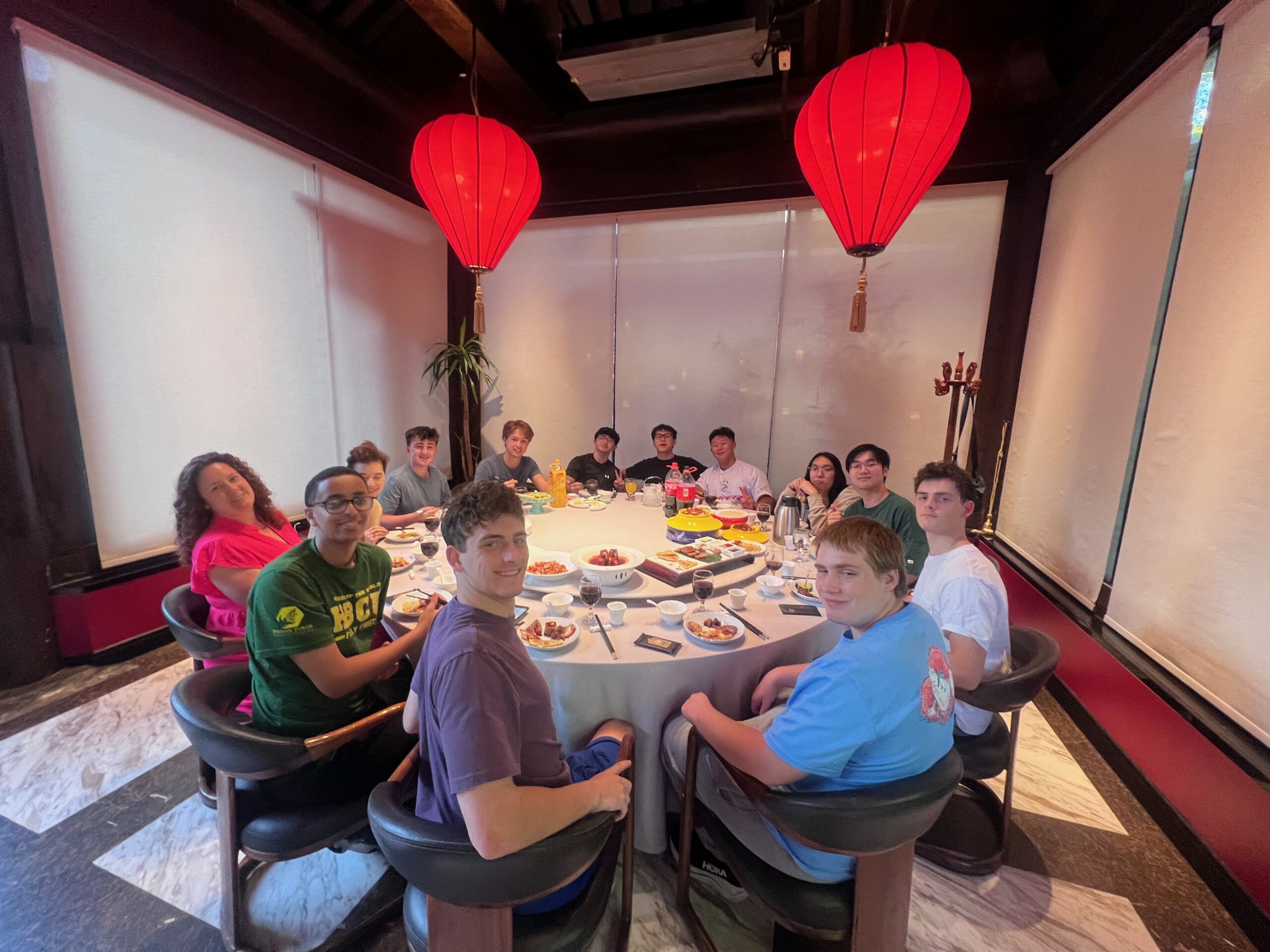
Students enjoy Beijing roast duck

“The American students were willing to try new things and ask others for help with an open mind. I think that is something worth learning from,” the students from Hong Kong and Taiwan reflected. Through their interactions, they not only helped their American peers gain a better understanding of China but also learned to approach other cultures with greater curiosity and openness.

Over the course of a week, young people from different places went from strangers to friends. They explored Beijing’s historic sites, shared stories about school life, discussed history and culture, and talked about music, movies, and their hopes for the future. As they spent time together, friendships developed naturally.

As the week came to an end, the students hugged goodbye, exchanged contact information, and promised to keep in touch. One student later recalled, “I ended up hugging almost everyone I’d gotten to know during the program, both teachers and fellow students. The more people I hugged goodbye, the harder it was to leave.” Though the program had ended, the friendships continued, with students staying connected and sharing glimpses of their everyday lives.

Students say goodbye to their teachers and peers

The Beijing cultural exchange program offered the students from Hong Kong and Taiwan an opportunity to deepen their understanding of mainland China, while giving their American peers a chance to encounter the country through its history, traditions, and people. By learning and spending time together, the young participants developed a greater appreciation of one another’s perspectives and formed friendships that crossed geographical and cultural boundaries.

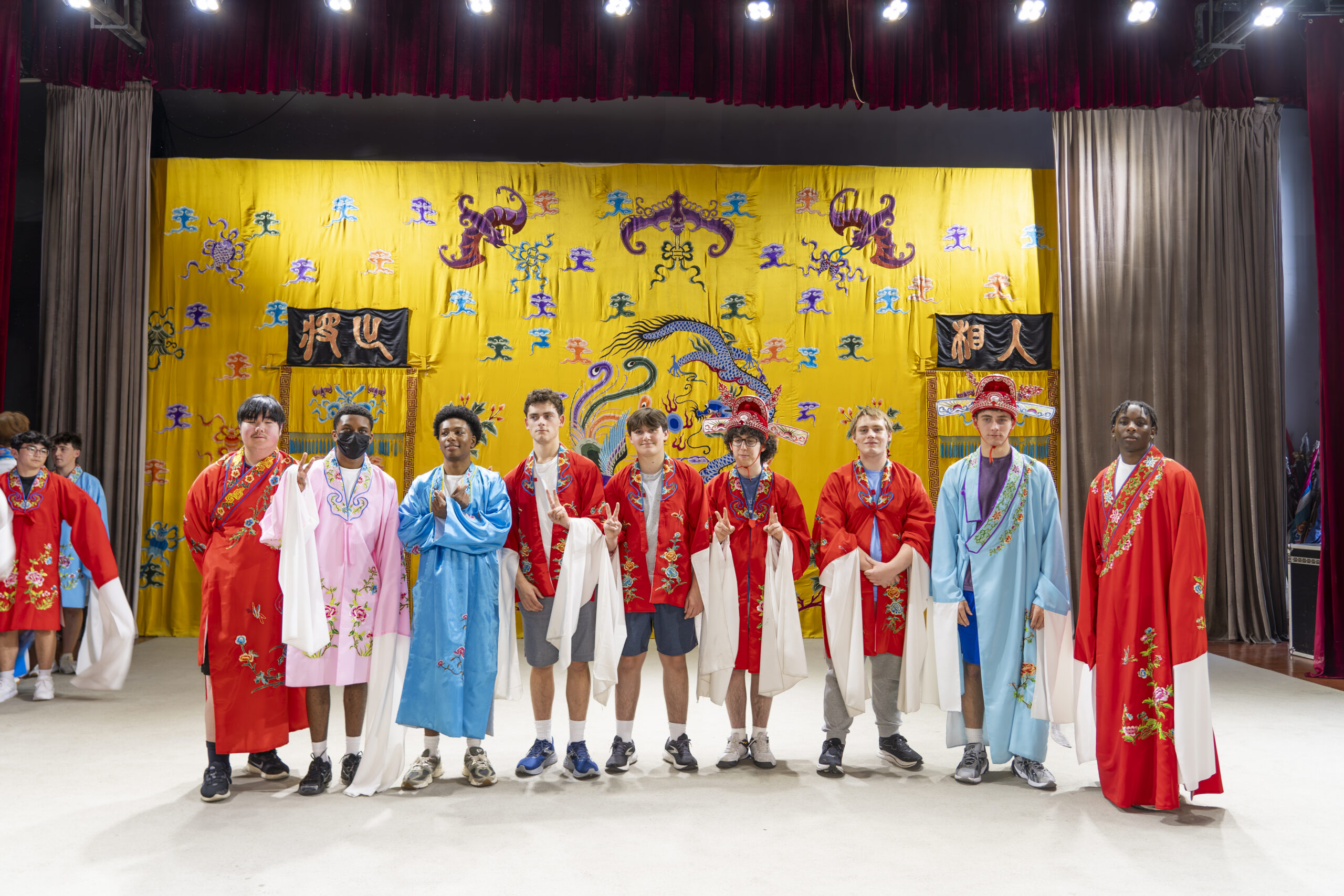
Students try on Peking opera costumes

More than four centuries ago, Matteo Ricci, S.J. expressed his understanding of friendship in On Friendship, writing: “A friend is not someone other than myself, but my other half, a second self; therefore, one should regard a friend as oneself.” He presented friendship as a way to bridge differences and foster mutual understanding through sincere human connection.

Today, as young people from Hong Kong, Taiwan, and the United States meet in Beijing, learn together, and come to know one another, that enduring idea takes on new meaning. Their experience shows how friendship can open doors to cultural exchange, and how genuine exchange can help people from different backgrounds better understand one another.

More To Explore

Cultural Dialogues

TBC Welcomes Colombian University Delegation to Beijing

A Colombian university delegation visited Beijing with TBC to explore China’s history, culture, higher education, and technological development. Through meetings with universities, scholars, and leading companies, the visit opened up opportunities for future academic and cultural exchange between China and Colombia.

Cultural Dialogues

A Night in BOO(jing)

Samantha shares her experience at Universal Studios Beijing, from thrilling roller coasters and Kung Fu Panda attractions to Halloween haunted houses. Along the way, she discovers the park’s unique charm and offers tips for fellow visitors.

Cultural Dialogues

TBC’s Rare Books Featured at the Beijing Confucian Temple

TBC loaned three rare books to The Great Confucius exhibition at the Beijing Confucian Temple and Imperial College Museum, showcasing the spread of Confucian thought in Europe and centuries of cultural exchange.