The Beijing Center

Beijing’s Hutongs: From Snuff Bottles to Exploration with a View

Share This Post

If you ever want to get a taste of Old Beijing, by far one of the best ways is to visit the hutongs. They’ve conceptually been around all the way since the 1200s, and in their most modern forms exist as protected alleyways and streets surrounded by old traditional houses and neighborhoods in the heart of Beijing and are recognized in China to be an important part of cultural heritage in the city. These days, they’re mostly inhabited by older generations who preserve the culture there, keep the tourism in the area alive, and in some special cases, practice cultural crafts that are just as important as the hutongs themselves.

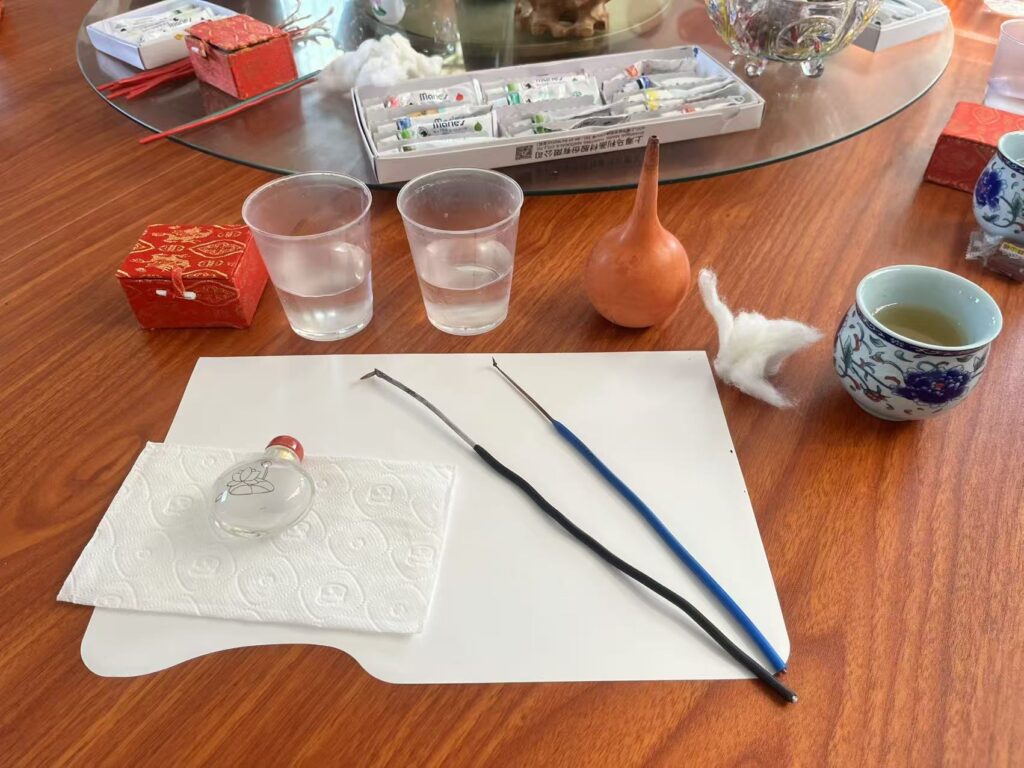
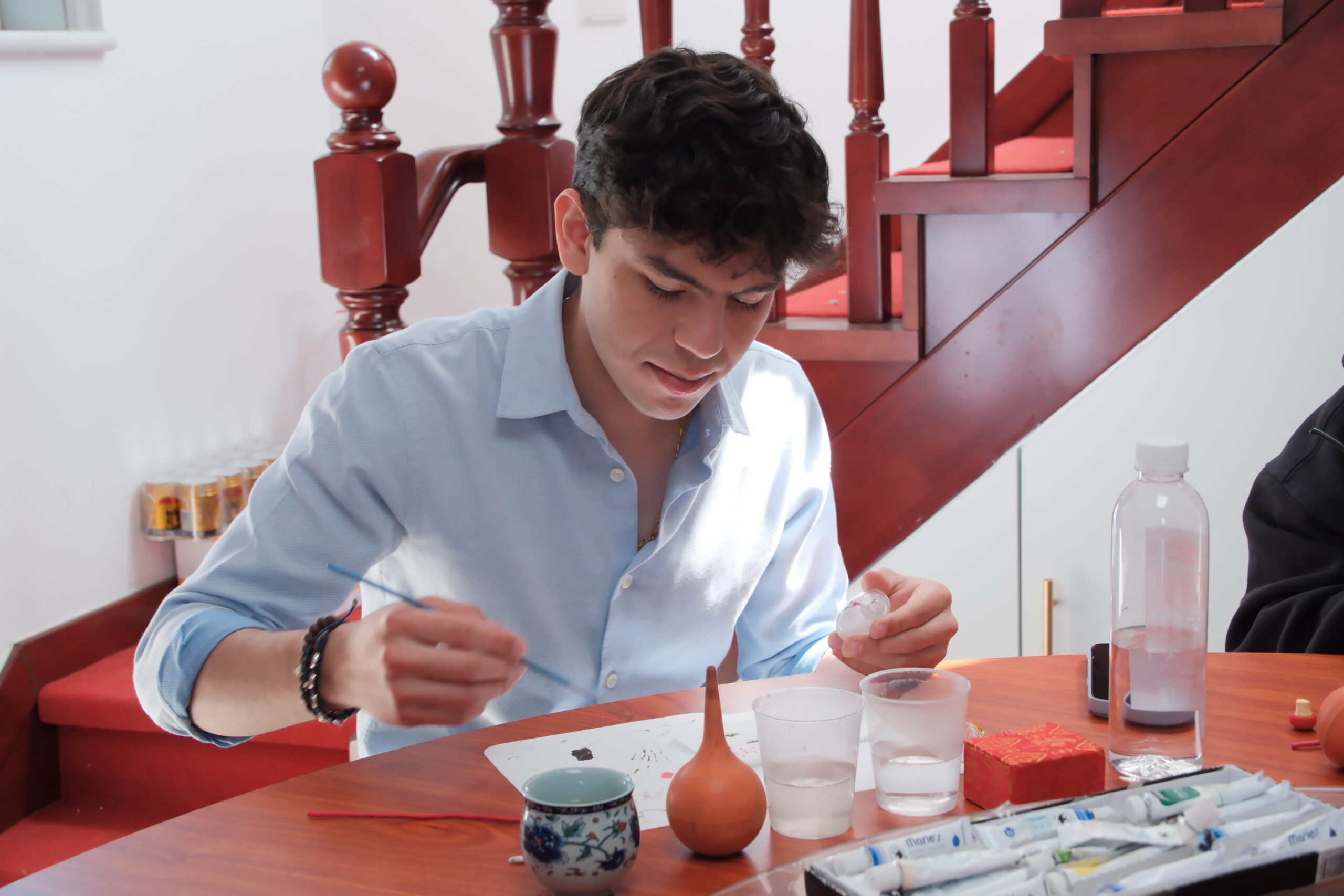
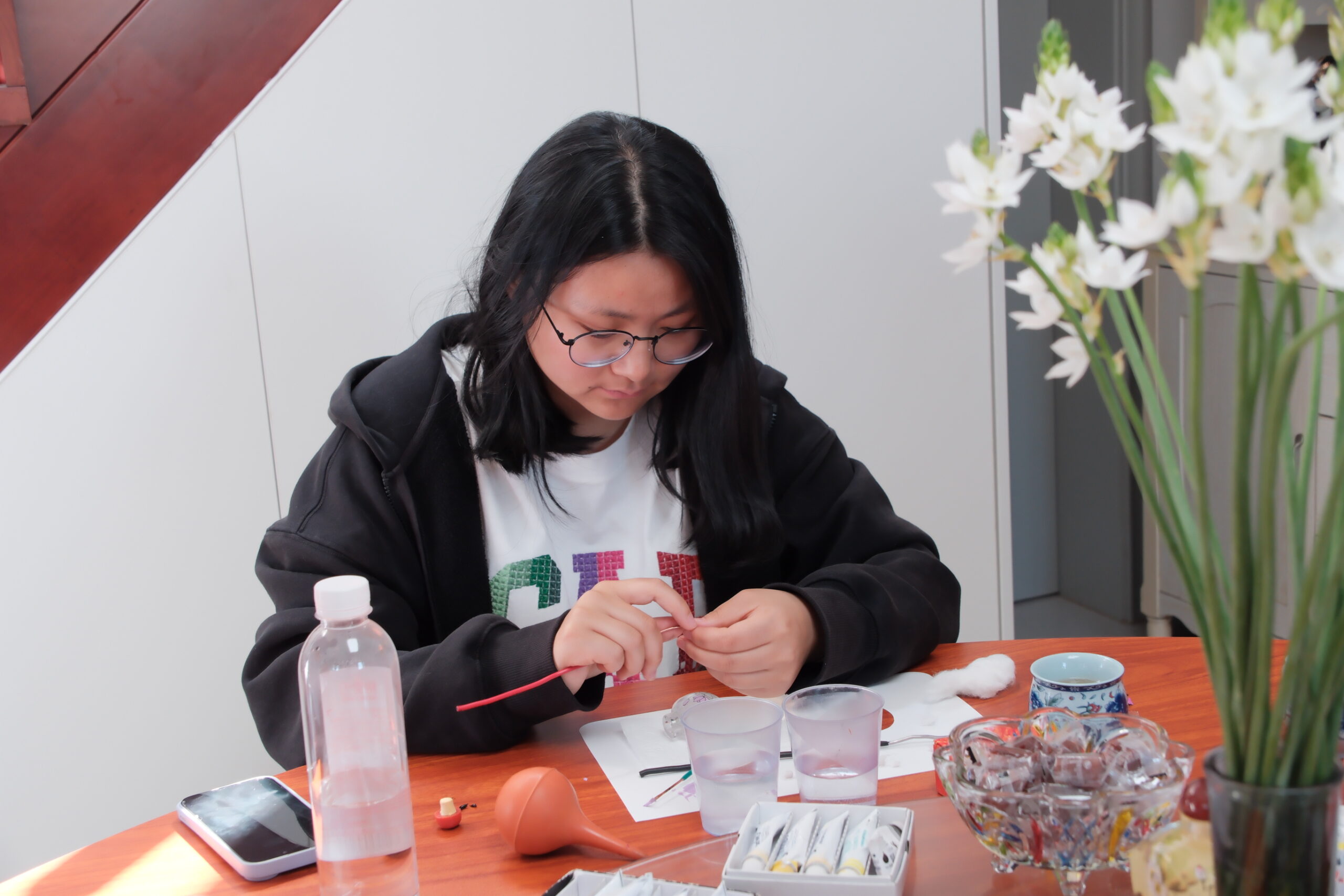
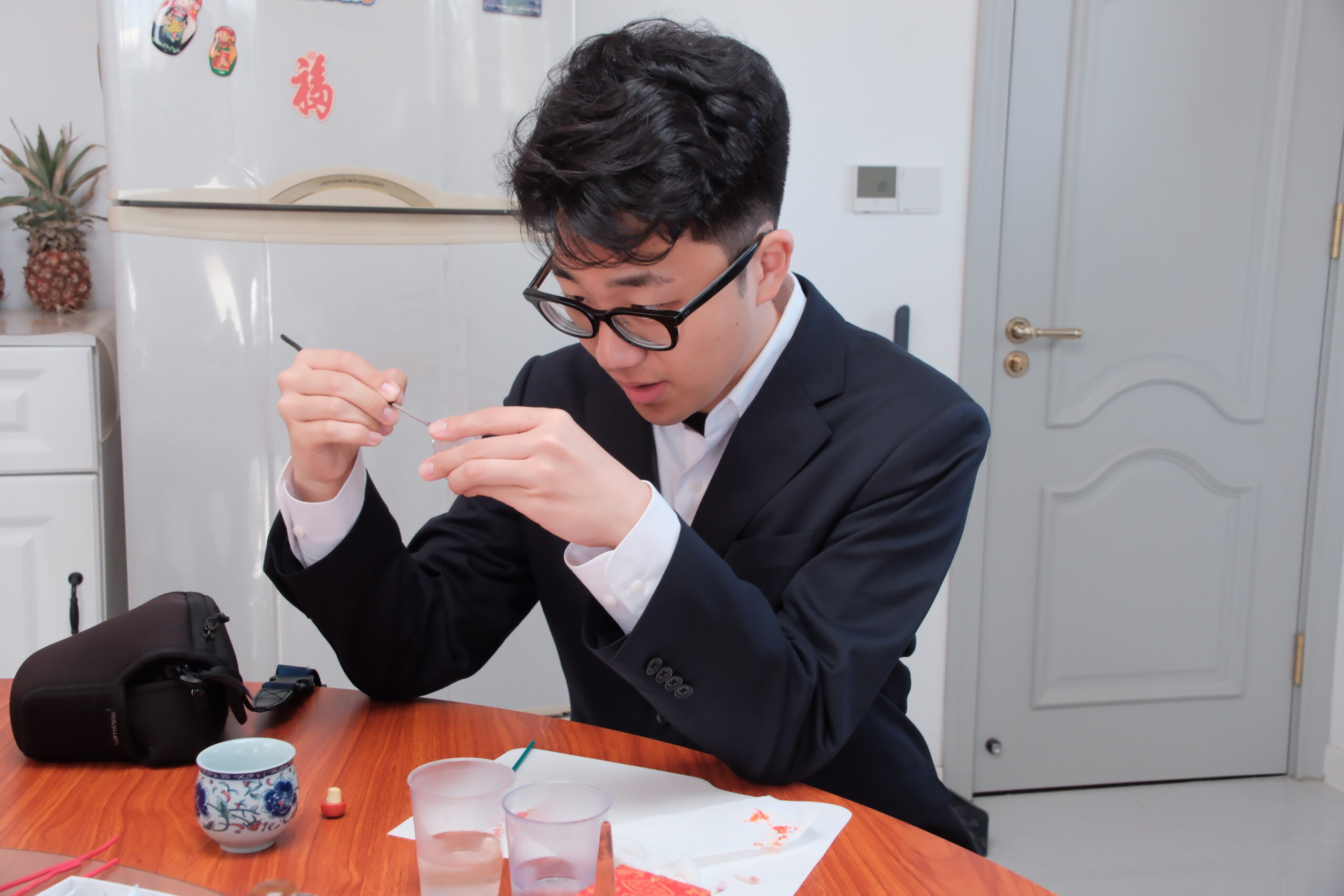
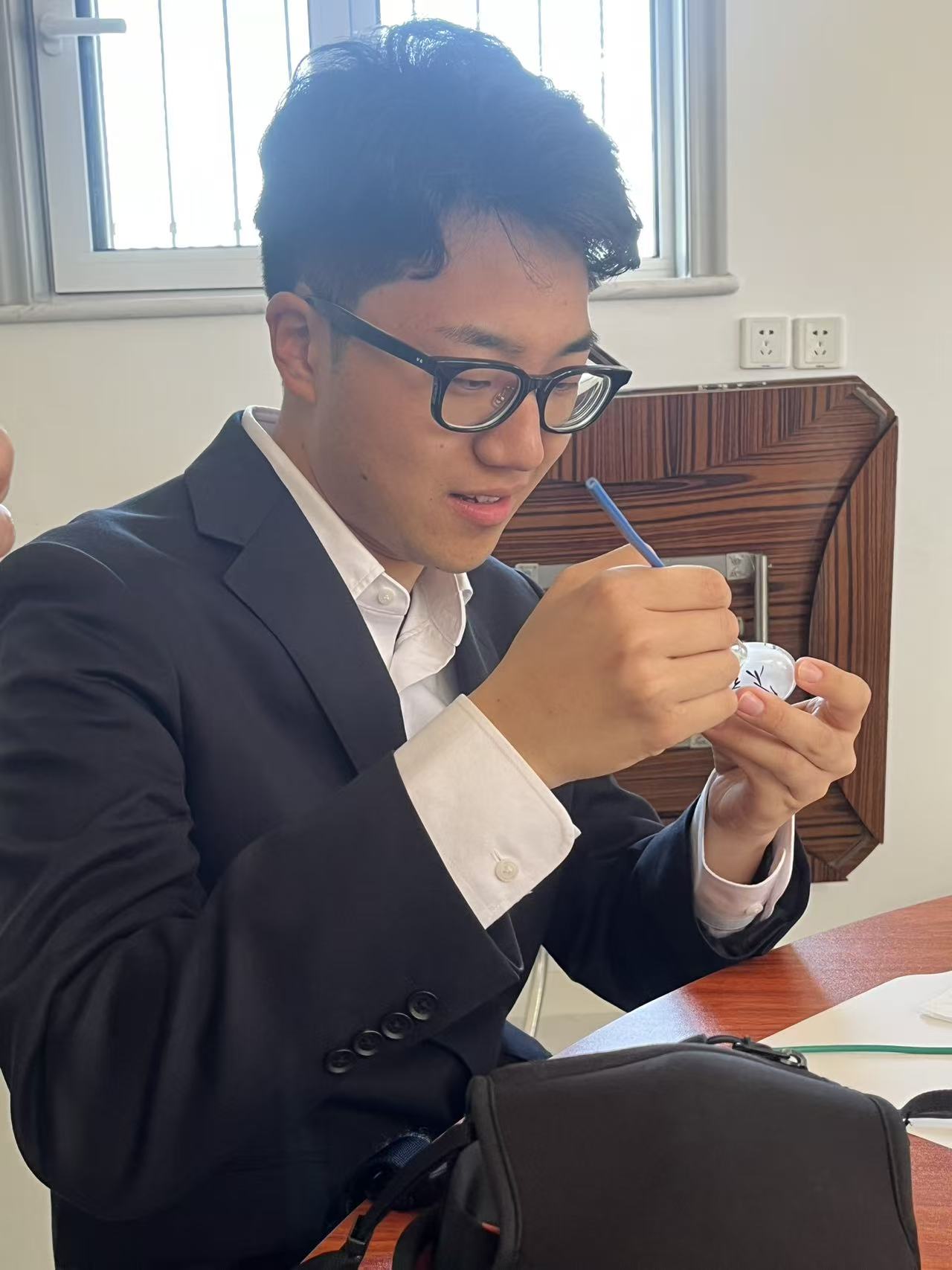
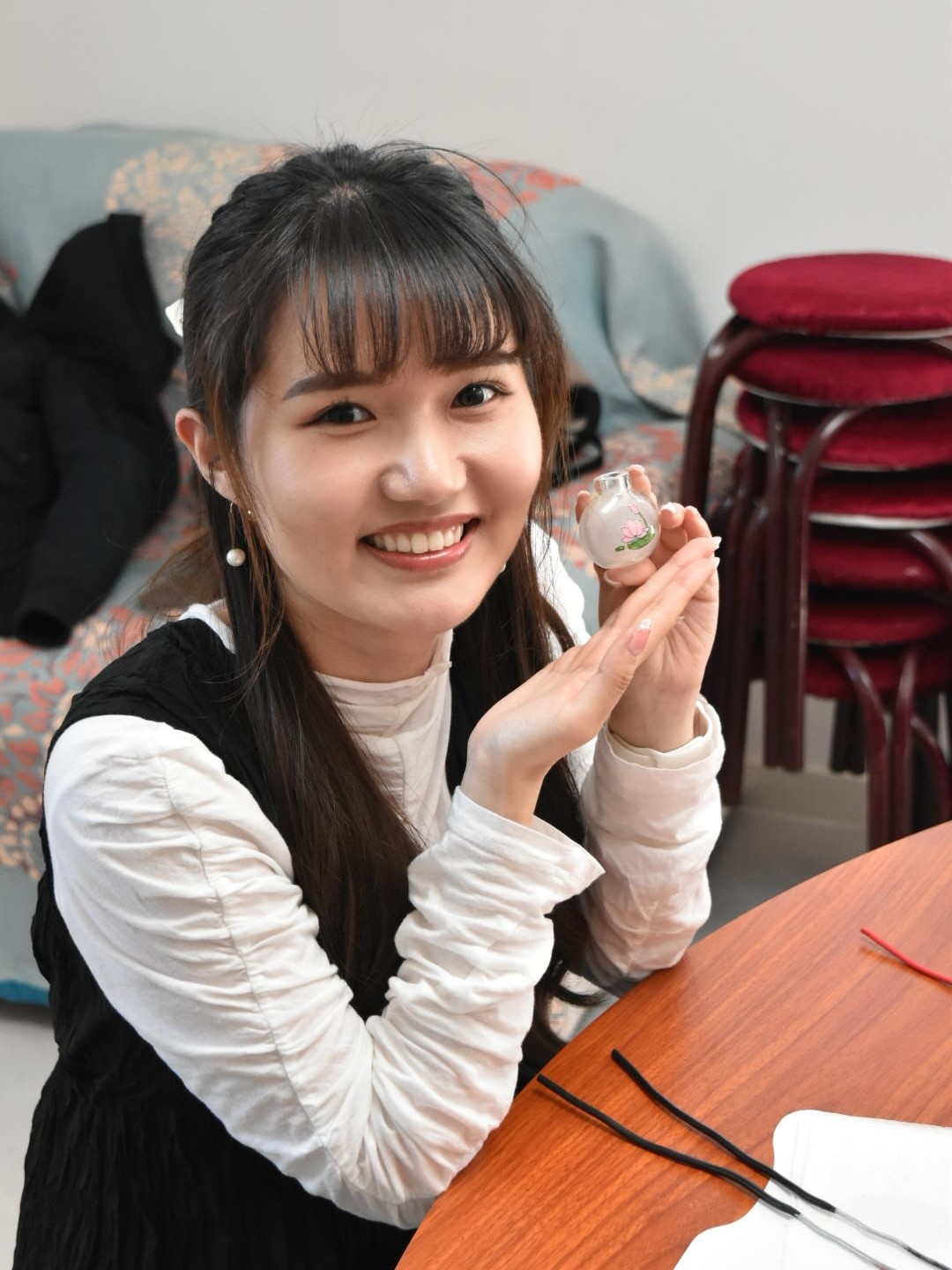
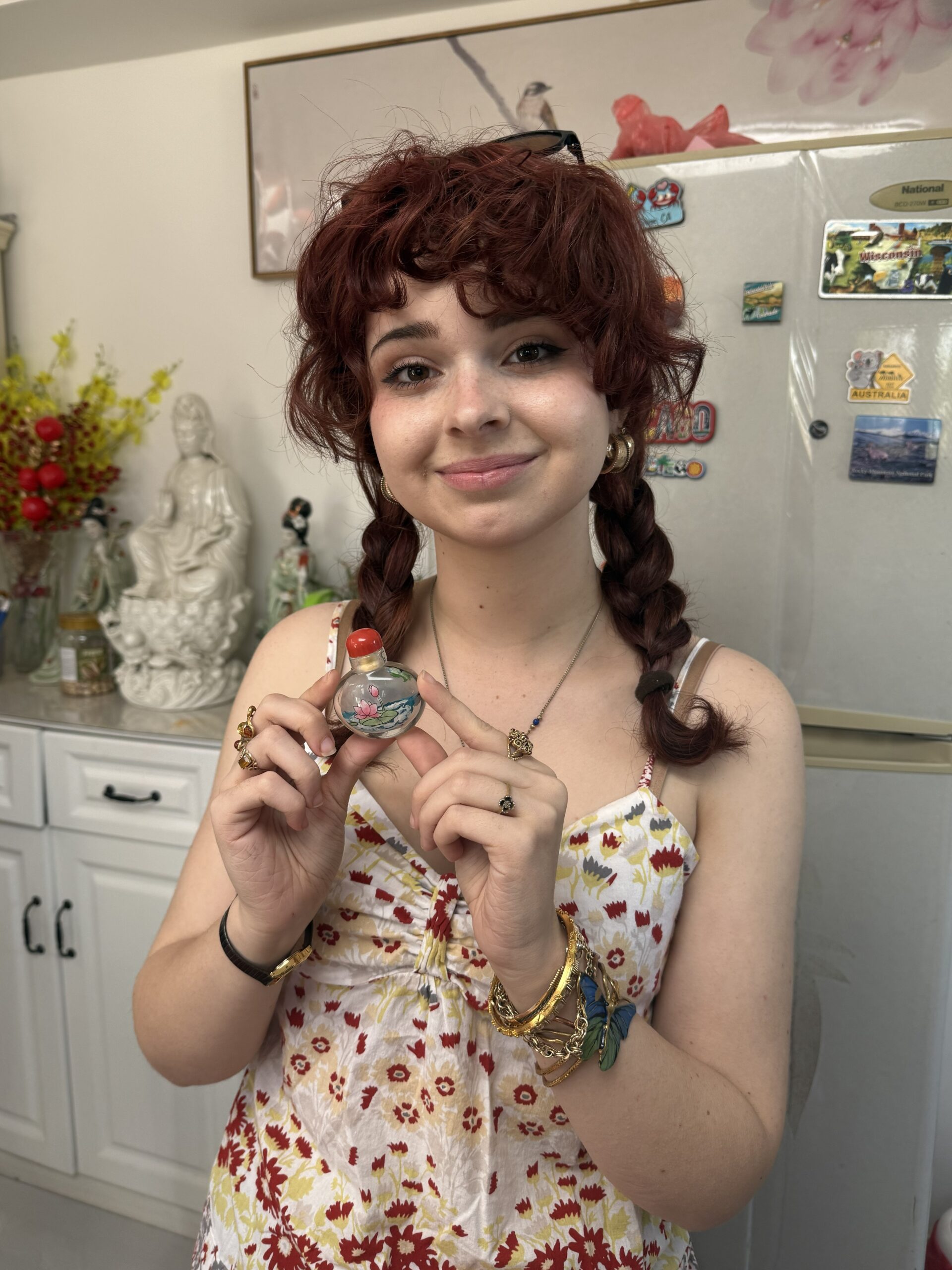
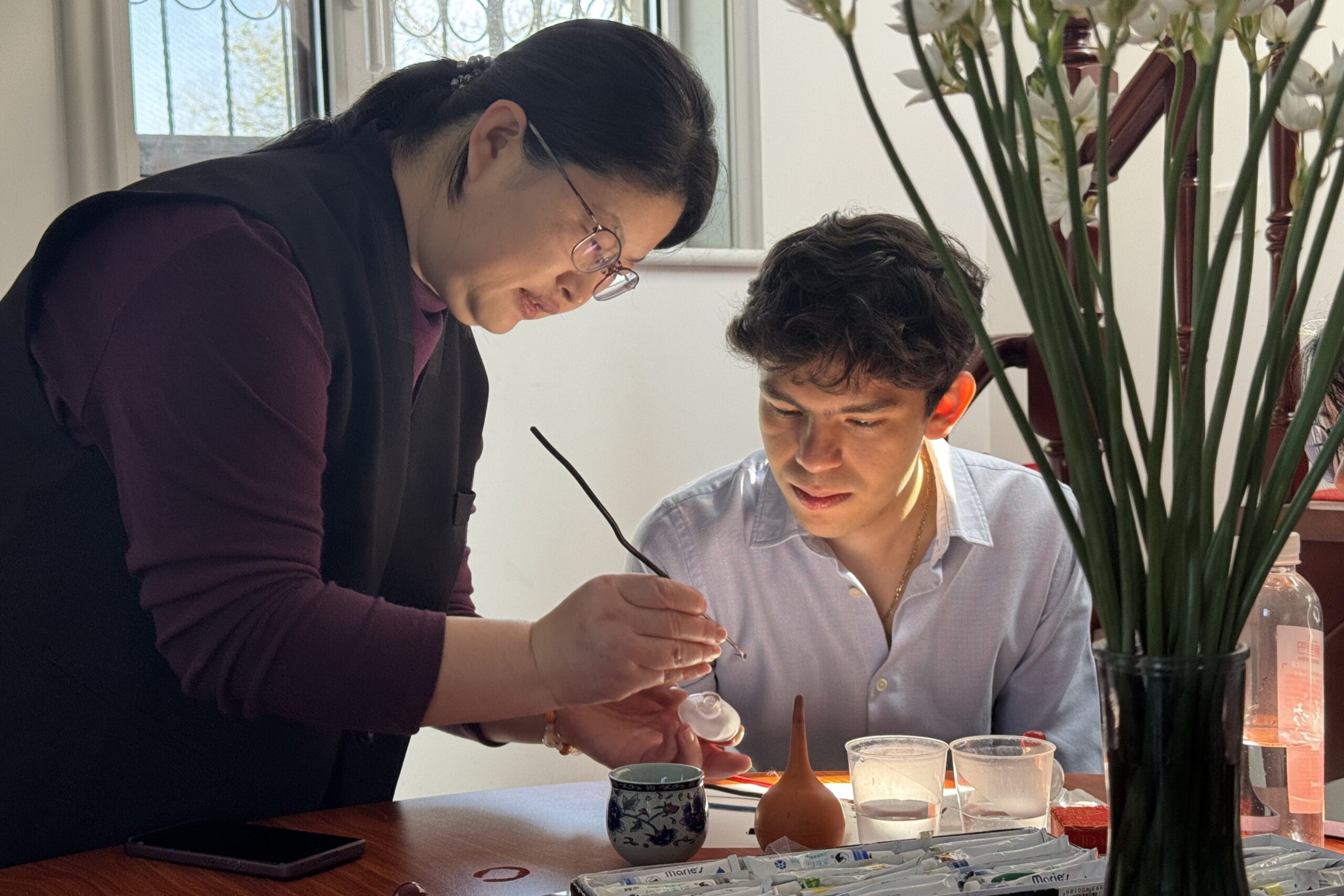
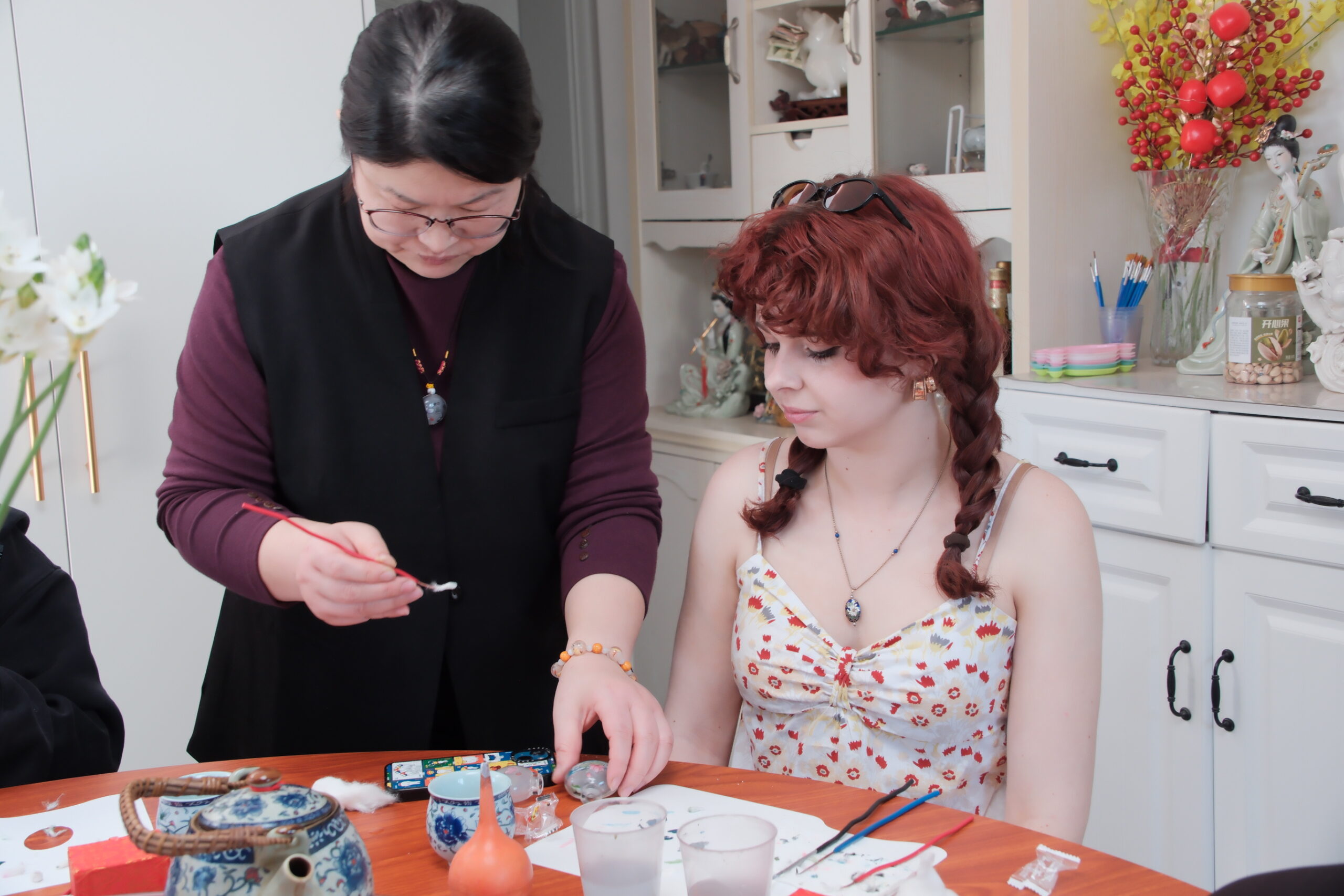
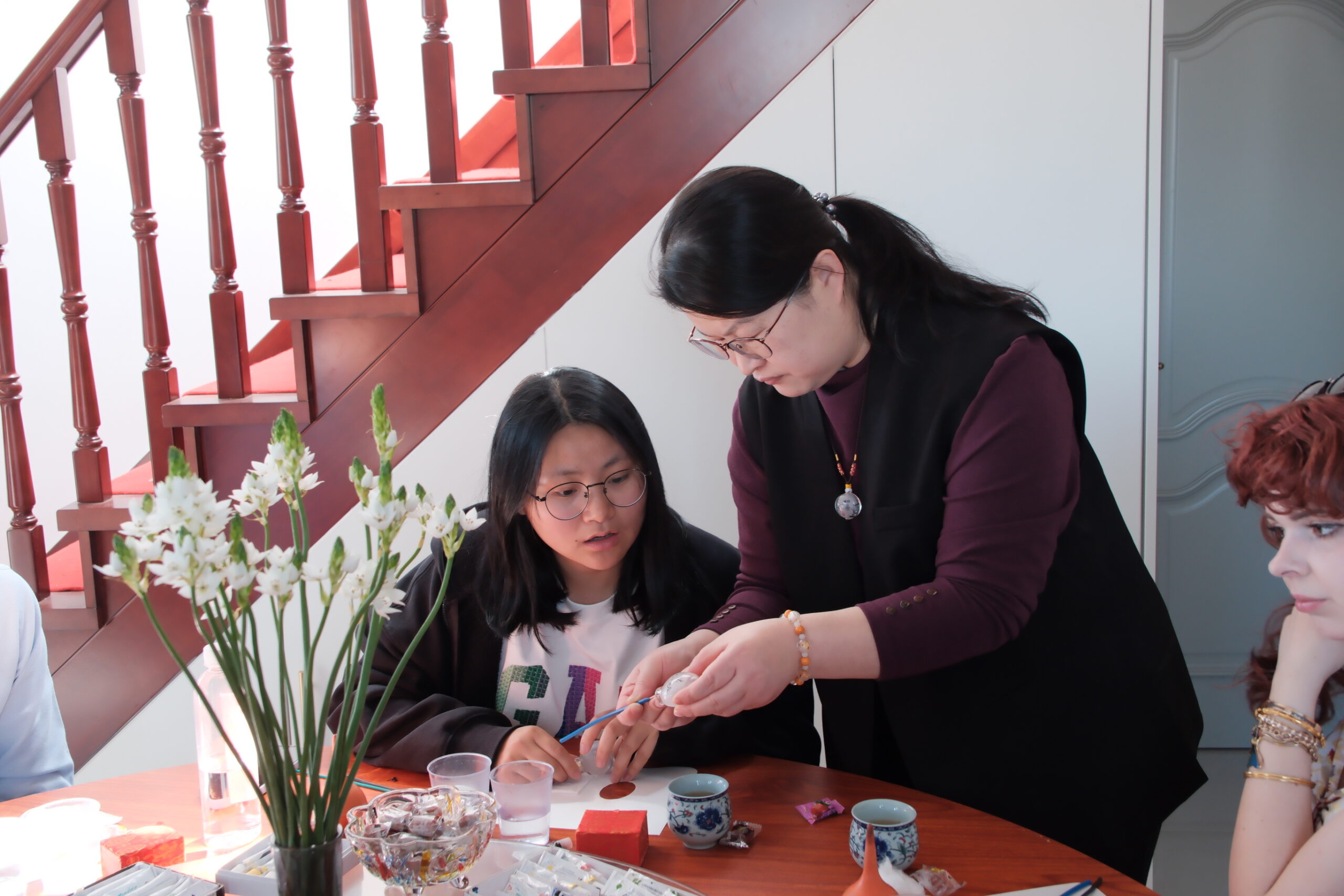
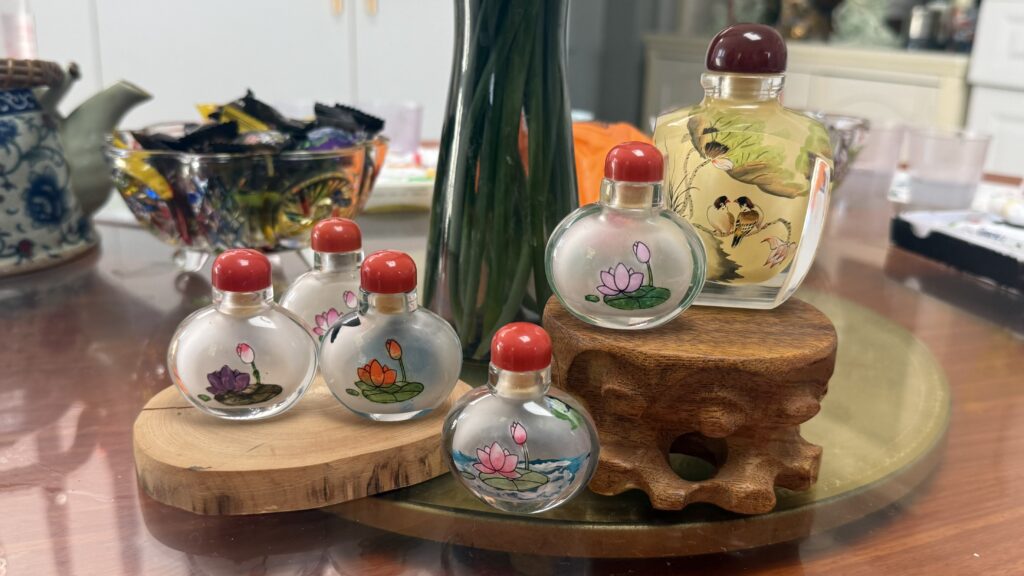
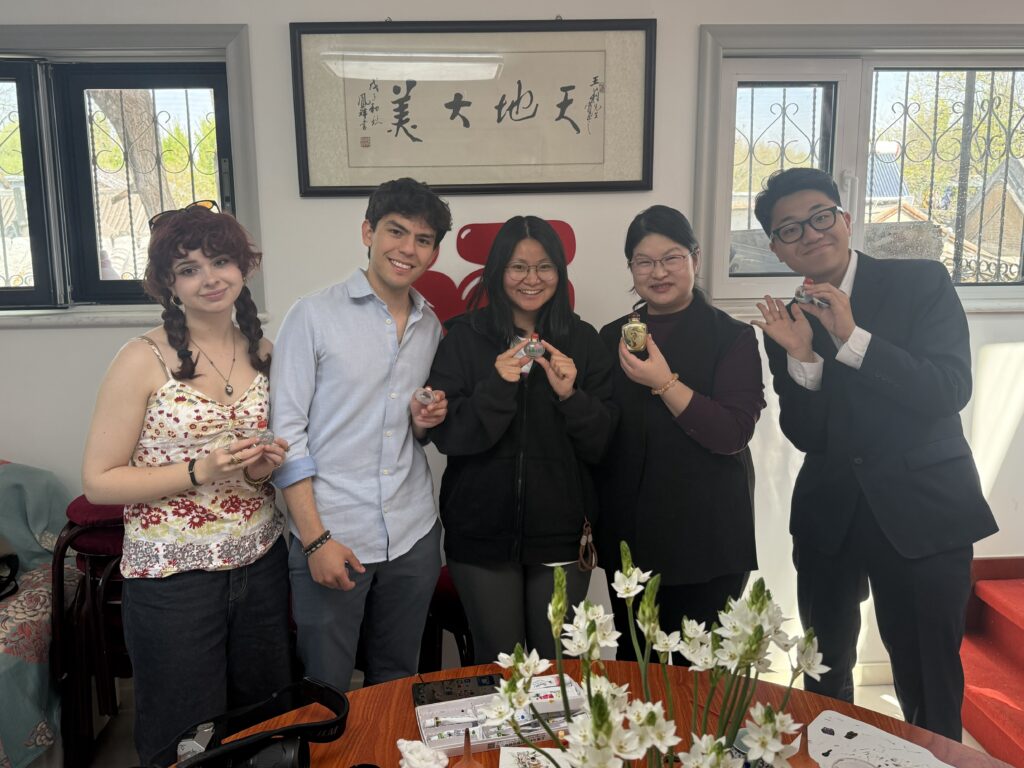
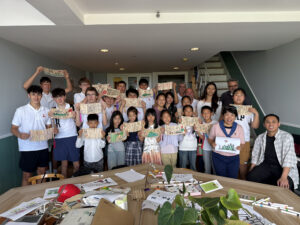
TBC staff and students recently had the privilege to visit Daxiangfeng Hutong and experience one of these culturally important crafts: snuff bottle painting. Historically, snuff bottles were used to hold powdered tobacco or “snuff” in China (especially in Beijing) since the 1600s. Snuff was used for anything from just inhaling tobacco for the nicotine to treating headaches and other various illnesses. Snuff bottles themselves were created to make snuff more transportable, and were also often used as status symbols as well. Snuff bottles can be made out of a variety of materials, but one of the most interesting and culturally important in China involves a glass container and a painting technique where the bottle is painted from the inside, through the neck, using a bent brush. This specific type of snuff bottle craft is incredibly difficult to practice and find; thankfully, it was also the one we got to experience in Daxiangfeng.

Beyond being lucky enough to experience making these, we were also lucky enough to be taught by a true master who’s studied snuff bottle painting since she was very young, and whose family has been in the craft for generations. Similarly, they’ve lived in the hutong for generations, and a whole three generations of the family lives there now. The land their house is on is worth a massive amount of money, but she says the cultural preservation and the family history is worth much more to them. We were offered some traditional snacks (hawthorn berry flavored, which is a common snack in the northern part of China) and got to learn about not only the physical craft of snuff bottle painting, but some of the history of it too. We, with varying degrees of success, finished our bottles thanks to some pre-painted outlines and a lot of instruction and help from our master. It was very simple, but I’m quite proud of mine!

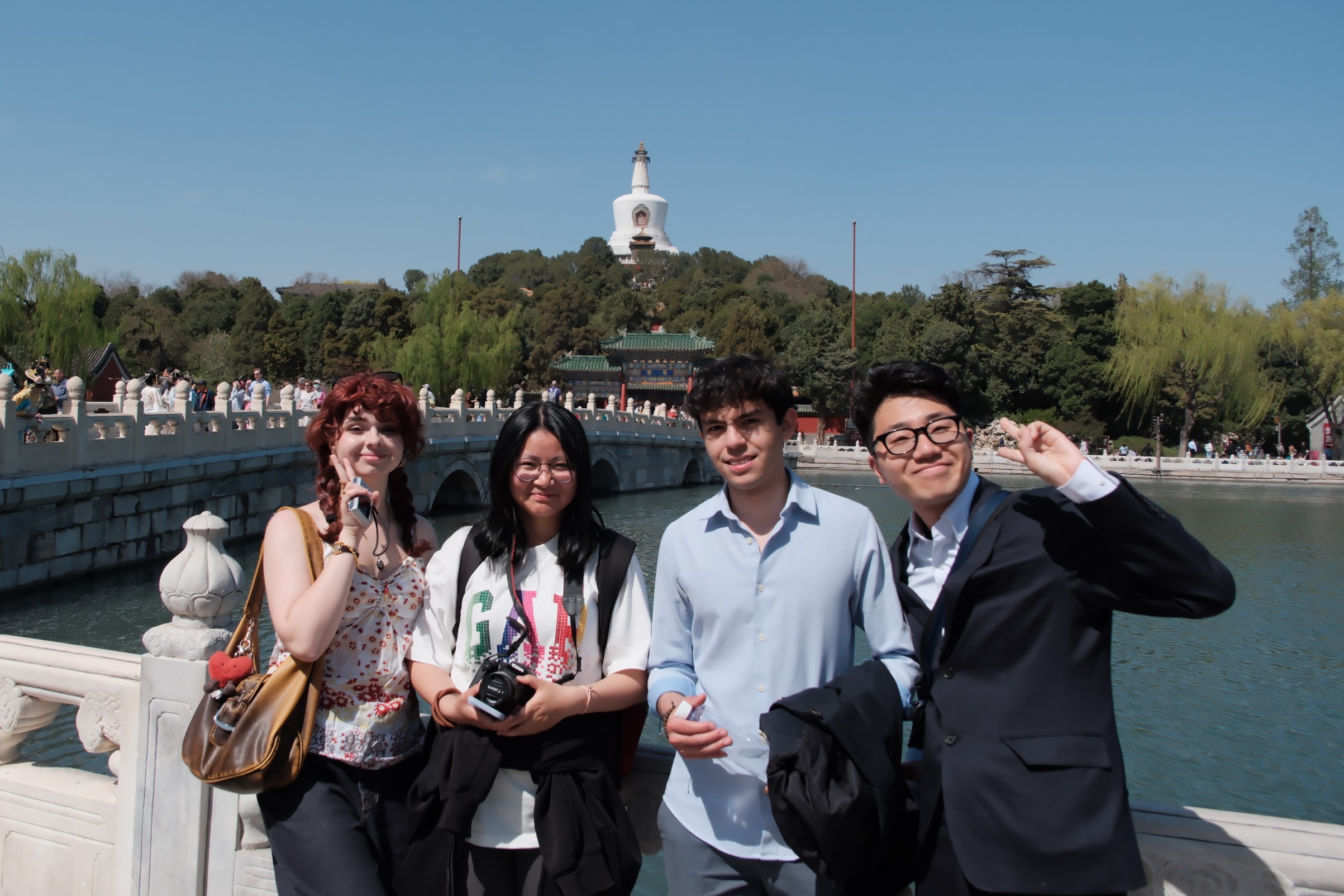
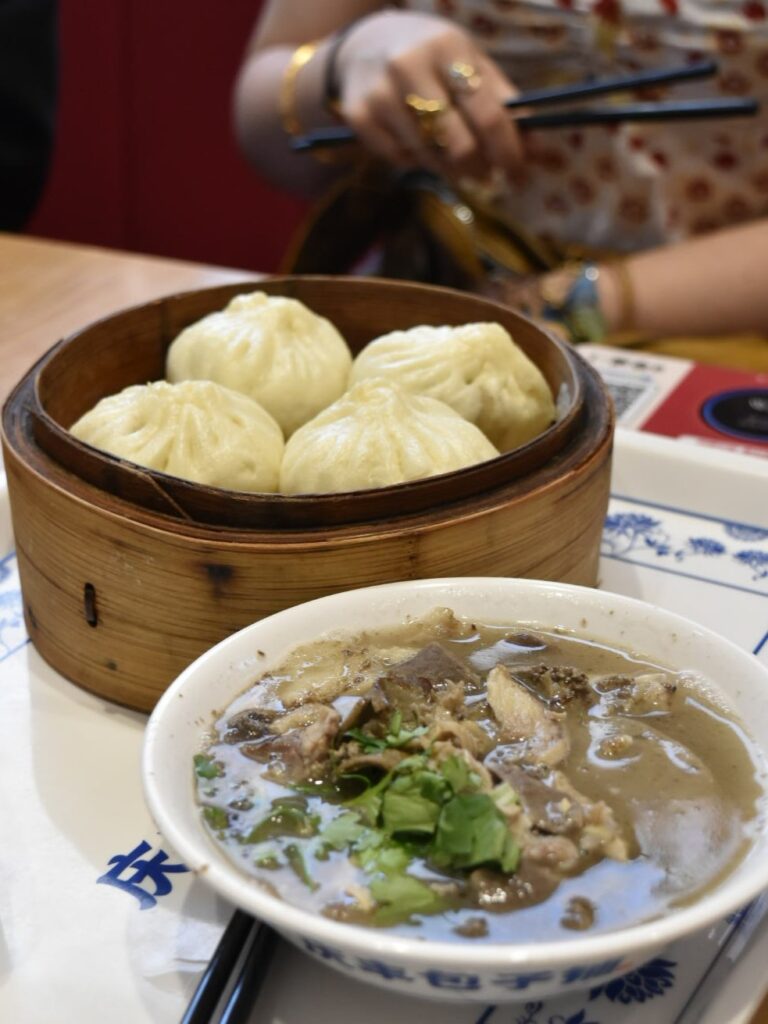
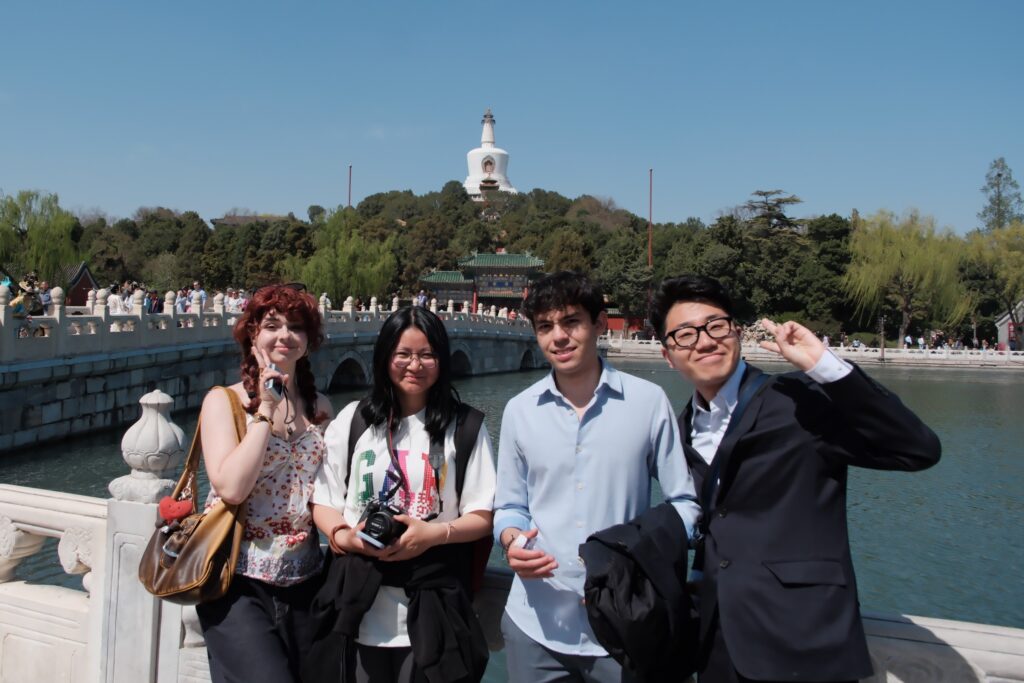
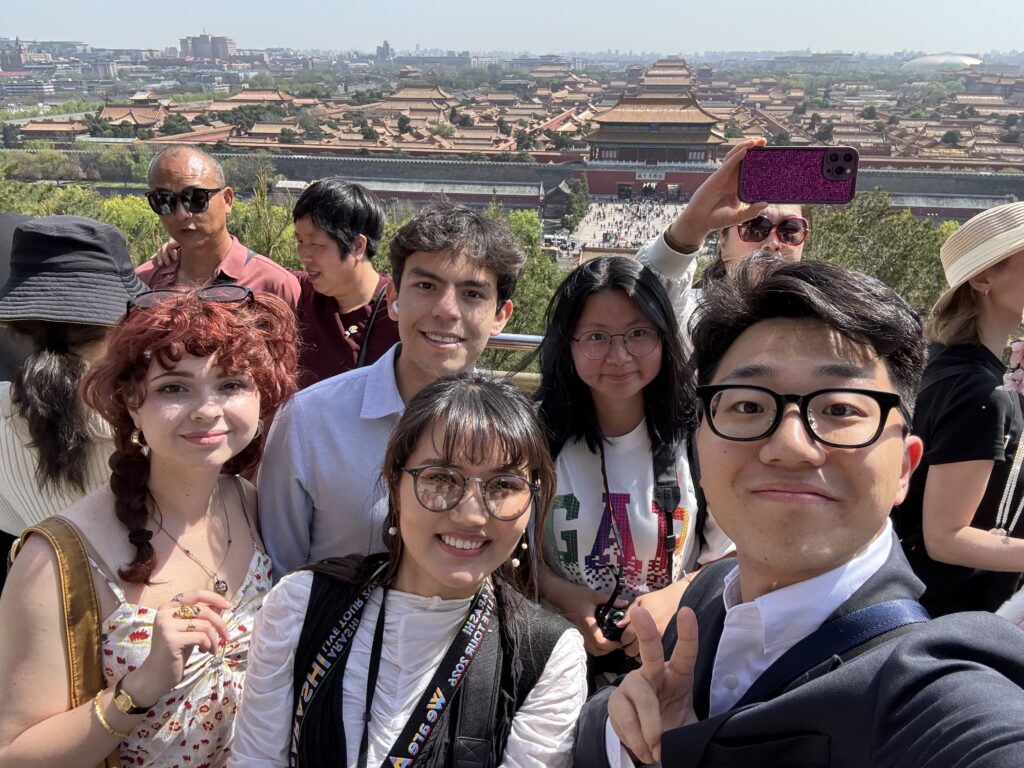
After we painted our snuff bottles, TBC staff and students got to do a little more cultural exploration in the area. Lunch at a famous baozi store in the nearby Sanzuqiao hutong. If you’re unfamiliar with them, baozi are a type of steamed bun with various fillings. However, if you’re unfamiliar with them, I recommend you immediately try one of many delicious baozi shops in Beijing, because they’re also delicious. Afterwards, we explored Beihai and Jingshan parks. Beihai is a former imperial garden that’s also home to the famous White Pagoda that was built in 1651 to honor the Dalai Lama’s visit. It also hosts a few Buddhist temples, pavilions, and smaller gardens. Jingshan, while also being a former imperial garden and hosting a similar number of historical buildings, is most famous for its view of the Forbidden City. It contains a constructed hill that lies directly on the center axis of Beijing and sits above the Forbidden City, creating a perfect lookout point to see the Forbidden City in its entirety from. It’s definitely a lot of stairs and incredibly crowded, but the view is incredible and absolutely worth the hike. All in all, it was a perfect area to explore to learn a little bit more not only about Chinese history and traditions, but a little bit about the soul of Beijing as well.

By Jane Turner, Spring 2026

More To Explore

Global Connections

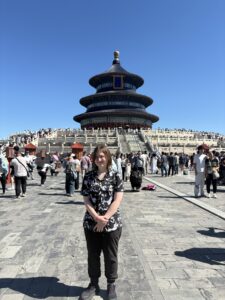
Heaven in Beijing: TBC’s Visit to the Temple of Heaven

Beijing’s Temple of Heaven may be one of, if not, the most iconic tourist sites in Beijing. Constructed starting back in 1406, around the same time as the Forbidden City and the other respective temples of the Sun, Earth and Moon.

Global Connections

Cultural Exchange, Chinese University Style

Another one of the more irreplaceable experiences we have in China as students is the amount of cultural exchange we get to participate in. While The Beijing Center organizes plenty of culture-based events, from tourist activities to arts workshops, there’s something about engaging with other people our own age in cultural exchange that’s really special.

Global Connections

Gubei: An Excursion to China’s Newest Old Water Town

Over this past weekend, some of our students enrolled at Minzu University of China took their annual Spring Outing – this year, to Gubei Water Town. Situated about a 2-hour drive northeast of Beijing, the April weather made it absolutely perfect to explore for a spring outing. It surrounds various canals and offshoots of Yuanyang lake.

Global Connections

Beijing’s Hutongs: From Snuff Bottles to Exploration with a View

If you ever want to get a taste of Old Beijing, by far one of the best ways is to visit the hutongs. They’ve conceptually been around all the way since the 1200s, and in their most modern forms exist as protected alleyways and streets surrounded by old traditional houses and neighborhoods in the heart of Beijing and are recognized in China to be an important part of cultural heritage in the city.