The Beijing Center

ENGLAND, CHINA, AND THE WEIGHT OF HISTORY: EVENT RECAP

Share This Post

How does history shape your impressions of other countries?

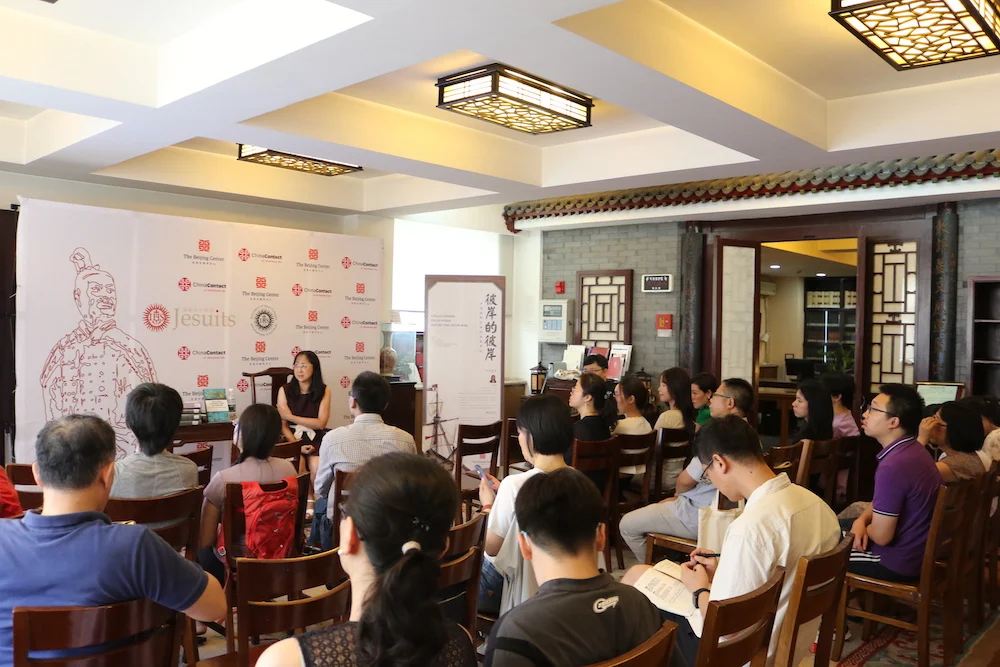
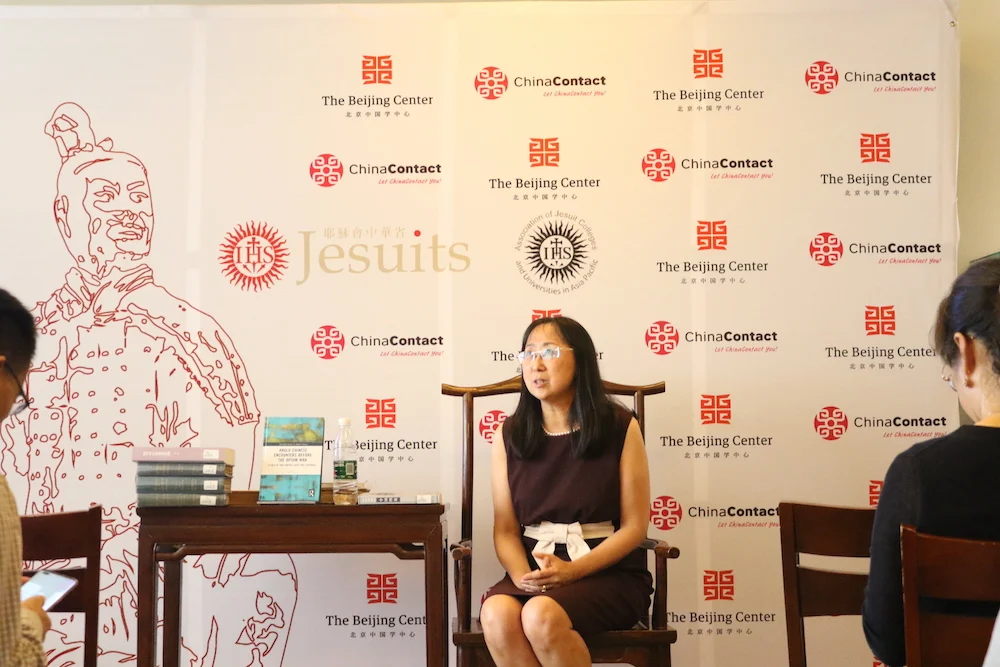
Dr. Liu Xin, an expert on Sino-UK relations and author of Anglo-Chinese Encounters Before the Opium War: A Tale of Two Empires over Two Centuries (2022), recently spoke at The Beijing Center about her in-depth study of that very question. After all, the first ever contact between China and the United Kingdom on record was a conflict. Was it fate, then, that the two countries should have entered into such a rocky relationship later during the 19th century?

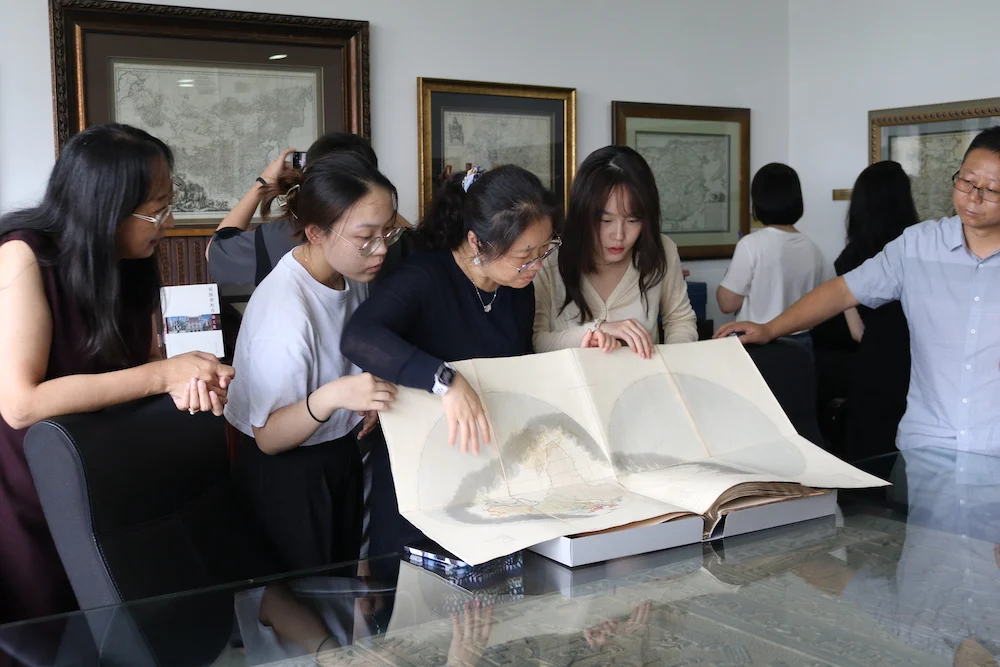
Before her talk began, the audience of academics, journalists, students, and the curious were first treated with a guided tour around TBC to understand and view tangible artifacts that represent history and exchange. Many found our library, among the largest of its kind in China, especially fascinating. TBC’s Anton Library has over 27,000 books in English on China and Chinese culture, language, philosophy, history, society, and more. It’s an invaluable resource for those who do research, and Dr. Liu was able to draw many of her findings from works inside the library.

Introducing her book, Dr. Liu began with an overview: what led Britain and China to the struggles and issues in the Opium War? The answer is more complicated than aggression or trade. Dr. Liu points to the ways that Britain was unique and forthright in its dealings with China, the first nation to object to China’s demand that government representatives view themselves as lesser to the Emperor rather than equals. The British, too, balked against established courtly manners such as kowtowing to the Emperor and viewed themselves as citizens of a maritime global power. The Chinese perspective at the time, however, was that the Emperor was not just ruler over the physical world, but a member of the Heavenly court, so his rule was even more encompassing and vast. There was conflicts of ideological perspective, so at odds with each other that a mutual understanding was beyond reach.

Dr. Liu showed a few examples from information exchanged between the nations. A piece of advertisement for Chinese tea in the United Kingdom had nonsense Chinese characters on the side of a shipping crate, as well as pagodas of nonexistent form used to represent the ‘exoticism’ of China. Chinese books on the British, on the other hand, erroneously described the British as a vassal state of the Netherlands and referred to them as ‘red-haired barbarians.’ The best porcelain-maker in England bragged that he expected Chinese artisans to soon come to him to learn the craft. The Chinese Emperor sent over enamel vases  with motifs of Europeansappreciating Chinese landscape garden to demonstrate that Chinese craftsmen had mastered the Western art form.

All in all, it’s an incredibly well-researched and fascinating monograph, and we’re grateful to Dr. Liu for coming to TBC and presenting it. The book can be purchased from the publisher directly or on Amazon.

More To Explore

Global Connections

Gubei: An Excursion to China’s Newest Old Water Town

Over this past weekend, some of our students enrolled at Minzu University of China took their annual Spring Outing – this year, to Gubei Water Town. Situated about a 2-hour drive northeast of Beijing, the April weather made it absolutely perfect to explore for a spring outing. It surrounds various canals and offshoots of Yuanyang lake.

Global Connections

Beijing’s Hutongs: From Snuff Bottles to Exploration with a View

If you ever want to get a taste of Old Beijing, by far one of the best ways is to visit the hutongs. They’ve conceptually been around all the way since the 1200s, and in their most modern forms exist as protected alleyways and streets surrounded by old traditional houses and neighborhoods in the heart of Beijing and are recognized in China to be an important part of cultural heritage in the city.