跳到主要内容

The Beijing Center

Visits from Peru’s Universidad de Lima

Share This Post

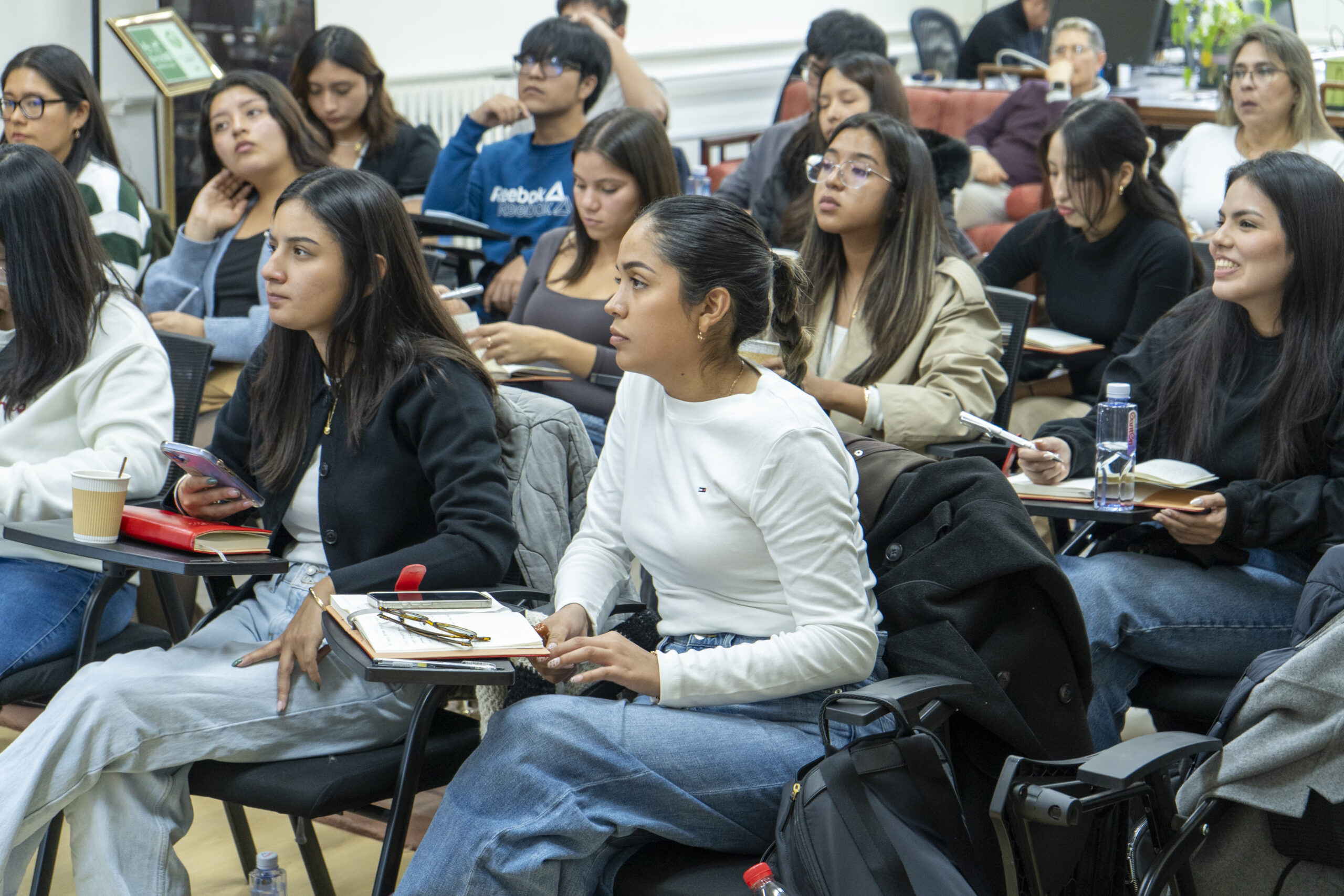
Shortly after the visit by Universidad del Pacífico (Peru) concluded, a delegation of faculty and students from Universidad de Lima (Peru) arrived in China on March 10th. The successive visits of young Latin Americans to China indicate the growing attention they are paying to the country, and also reflect the continuous deepening of youth exchanges between China and Latin America amid a shifting global landscape.

This ChinaContact program, planned and organized by The Beijing Center (TBC), brings together young Latin Americans who share a common understanding of intercultural exchange and a shared commitment to social responsibility in a global context. TBC aims to guide them toward a more multidimensional and authentic understanding of contemporary China through systematic academic and hands-on experiences.

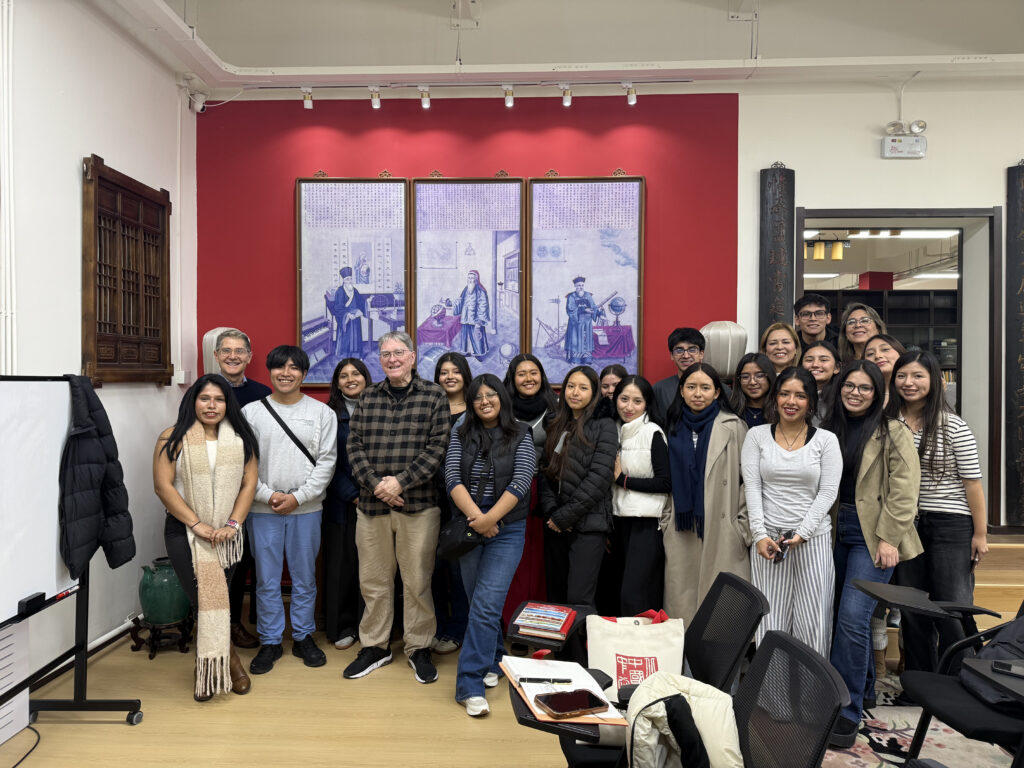
Professor David Moser from Capital Normal University helped students build a basic framework for understanding China from the perspectives of historical tradition and social psychology. He pointed out that understanding China is not merely an accumulation of knowledge, but rather a process of entering into its cultural context.

Faculty and students with Professor David Moser

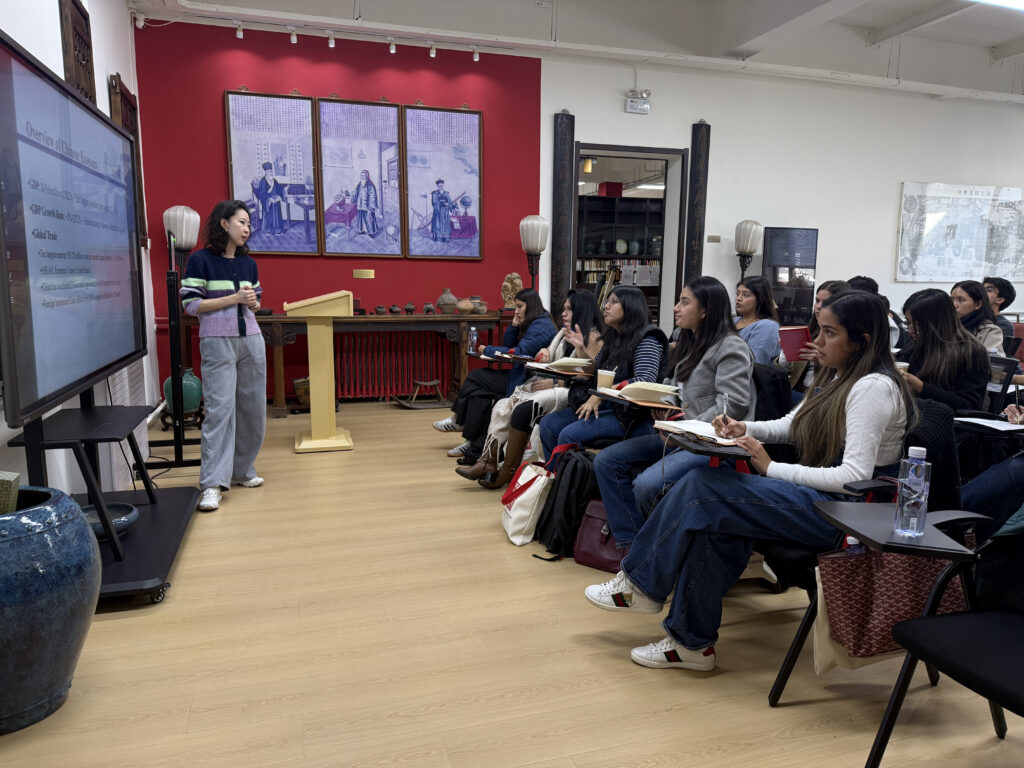
Professor Dai Tianjing of the University of International Business and Economics (UIBE) then led a lecture titled “Doing Business in China: Opportunities and Challenges,” systematically outlining the institutional environment and practical pathways for enterprises in the Chinese market. This enabled the students to further understand China’s development logic from a business perspective.

Professor Dai Tianjing lectures on the opportunities and challenges of doing business in China

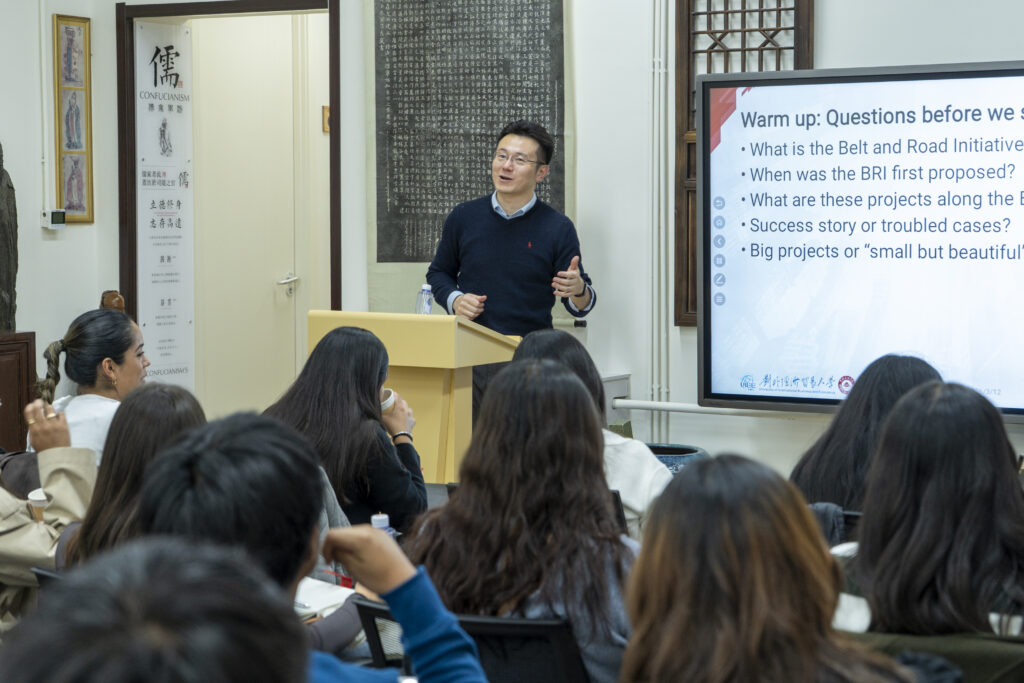
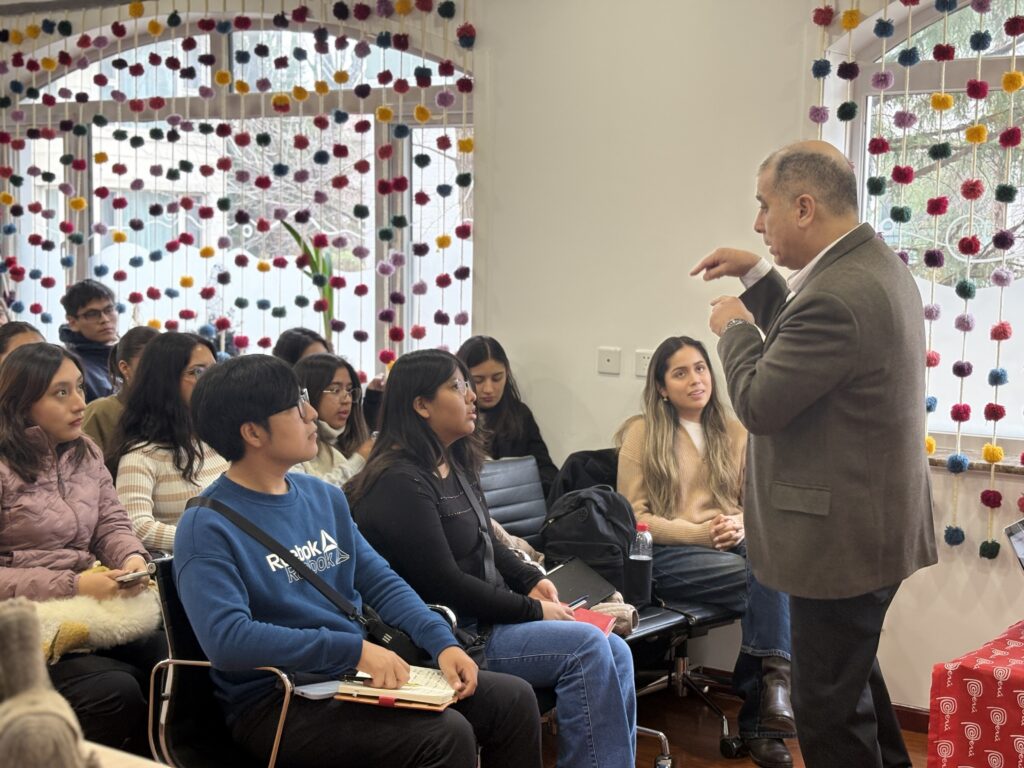
Turning to broader global issues, Professor Bian Yang from UIBE delivered a lecture on the Belt and Road Initiative and China’s economic transformation, analyzing the changing role of China in the international economic system. As the Global South—a collective of emerging market and developing countries—continues to rise, the interactions between China and Latin America have become a topic of particular interest to the students.

Professor Bian Yang lectures on the topic related to the Belt and Road Initiative

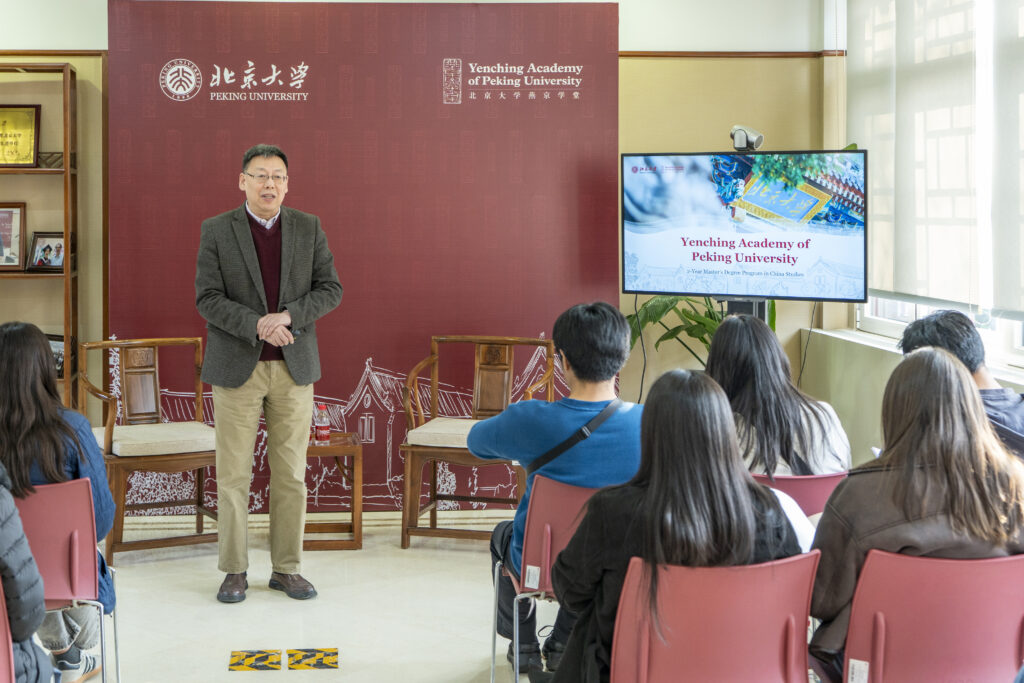
After the lectures, the delegation headed to the Yenching Academy of Peking University for further discussions. Associate Dean Fan Shiming presented the academy’s master’s programs and features. Current students from Brazil and Colombia shared their life experiences of studying and living in China. Their stories further sparked the delegation’s interest in pursuing further studies in China.

Fan Shiming, Associate Dean of the Yenching Academy, introduces the academy’s master’s programs

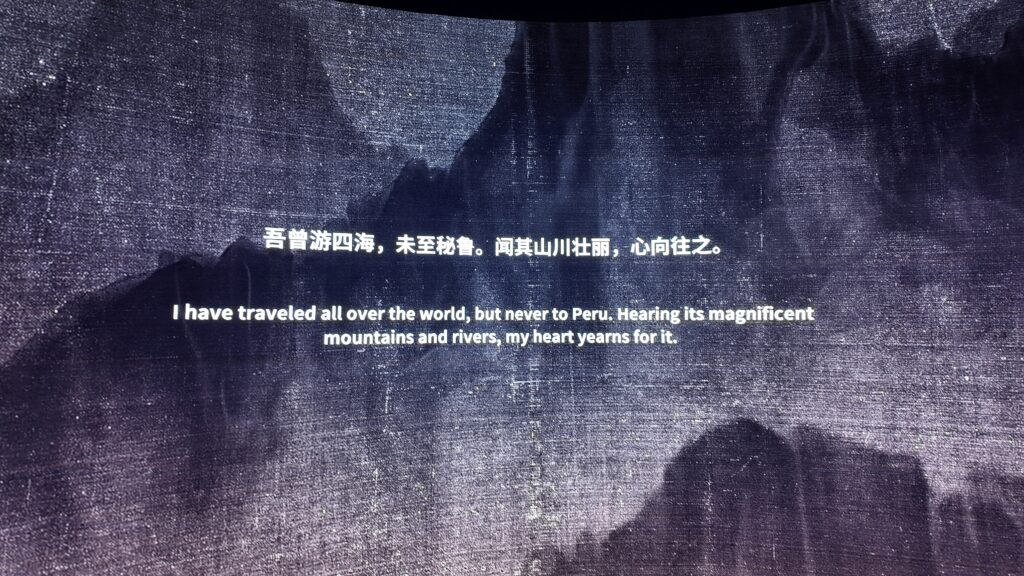
The delegation then visited Lenovo to get a closer look at China’s technological innovation landscape. At the Lenovo Future Center, the “AI Historical Figure” interaction captured the spotlight—famous historical figures such as Einstein, Aristotle, and Li Bai were “revived” as intelligent agents. When a student asked “Li Bai” about his impression of Peru, the “poet” first responded, “I have traveled all over the world, but never to Peru.” After learning more about the country, the “poet” then answered, “Hearing its magnificent mountains and rivers, my heart yearns for it.” This interesting and poetic interaction allowed the faculty and students to experience the convergence of Chinese culture and cutting-edge technology.

AI “Li Bai” composes a poetic reply to a question about Peru

A range of real-world applications—from AI-powered glasses and robotic arm demonstrations to a glasses-free 3D meeting pod and the industrial testing systems in the reliability laboratory—continues to expand the students’ understanding of what technology can achieve. “In class, we only learn the basic concepts,” an industrial engineering student said. “But here, for the first time, I truly understood the complexity of industrial systems.”

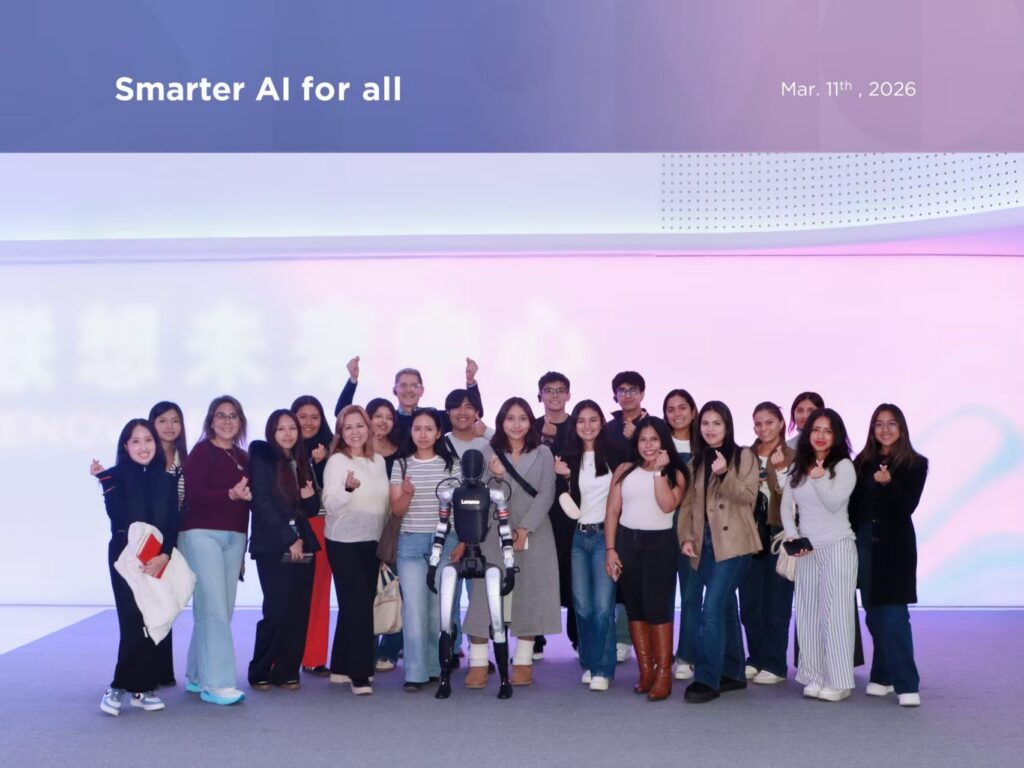
The delegation group photo with Lenovo’s robots

Later, professor Zhao Qiuyang, an expert in intelligent technologies, delivered a talk titled “AI Technology Trends and Application Practices” in Lenovo. Outlining industry case studies and future trends, he presented the students with a forward-looking vision of AI development.

The visit to Lenovo gave the faculty and students an intuitive understanding of China’s technological innovation and industrial development. Following that, they visited the Commercial Office of Peru in Beijing (OCEX Beijing), where they had an in-depth discussion with Mr. Luis Miguel Cabello Arroyo, the Economic and Commercial Counselor, gaining further insight into China’s development realities from the perspective of frontline diplomacy and trade.

Peru’s Economic and Commercial Counselor shares his perspective on China’s development

“Only by truly experiencing China can you realize that its development is far more multidimensional than outsiders often imagine,” Counselor Cabello said. From infrastructure to the digital economy, he observed, China shows remarkable efficiency and vitality. Citing Qingdao as an example, he pointed out that the city’s development planning is strikingly forward-looking— “as if it has already reserved space for the next twenty years of growth.”

Turning to China-Peru cooperation, Counselor Cabello said that his office is working on two fronts: helping high-value-added Peruvian specialty products enter the Chinese market and facilitating smoother business partnerships between the two countries through information exchange and platform building. Thanks to the improving China-Peru Free Trade Agreement, better logistics, and the advancement of key Belt and Road projects such as the Chancay Port, China has become one of Peru’s most important partners. The strengthening ties in trade, investment, and tourism have left the students optimistic about the future.

As a key link between China and South America, Peru is not only one of the first Latin American countries to establish diplomatic relations with China, but also one of the earliest to participate in the Belt and Road Initiative. With the ongoing advancement of the Belt and Road initiative, study tours have become a vivid illustration of the deepening cultural exchanges between China and Peru, and are gradually developing into an important bridge connecting China and South America.

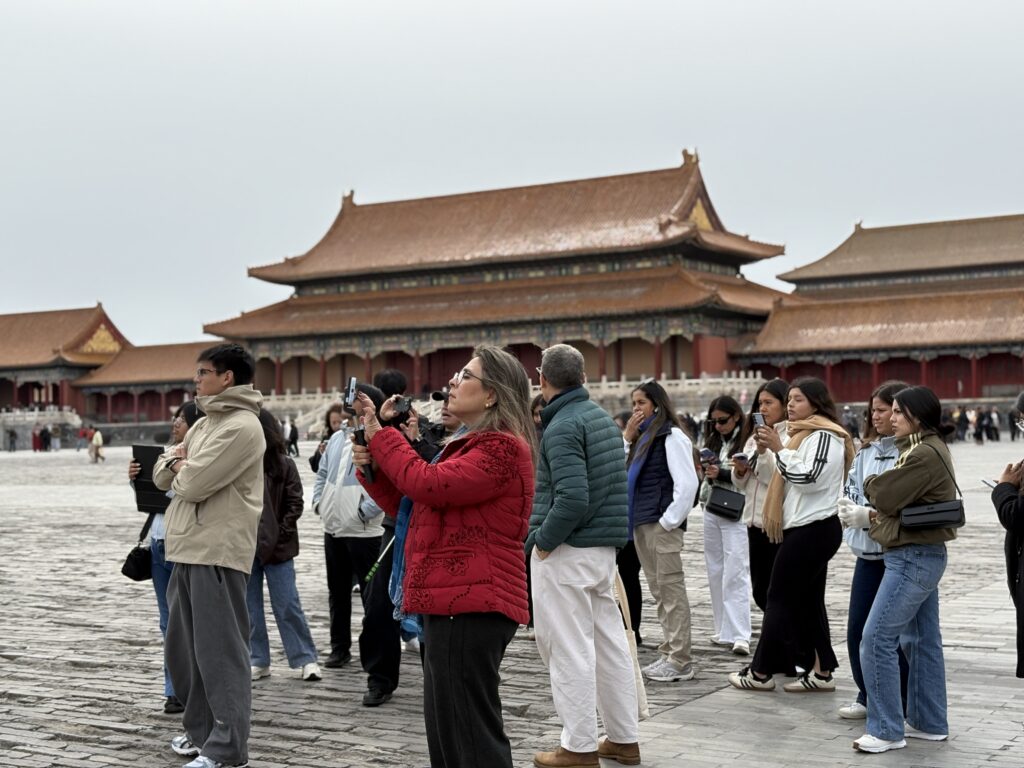
The delegation exploring the Forbidden City

After this ChinaContact program, the Peruvian delegation no longer relies on books or external narratives to understand China. It has gradually developed a more multidimensional and concrete understanding of the country. To learn amid differences and to grow closer through exchange—this transformation in perspective is laying the groundwork for deeper understanding and collaboration in the future.

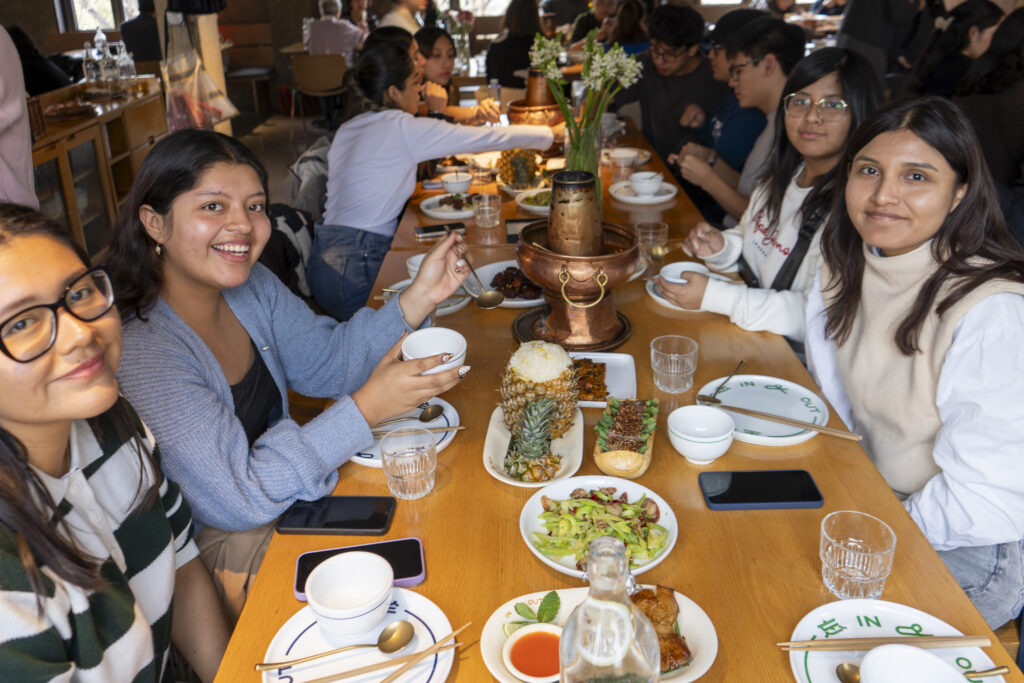
Faculty and students trying Yunnan dishes

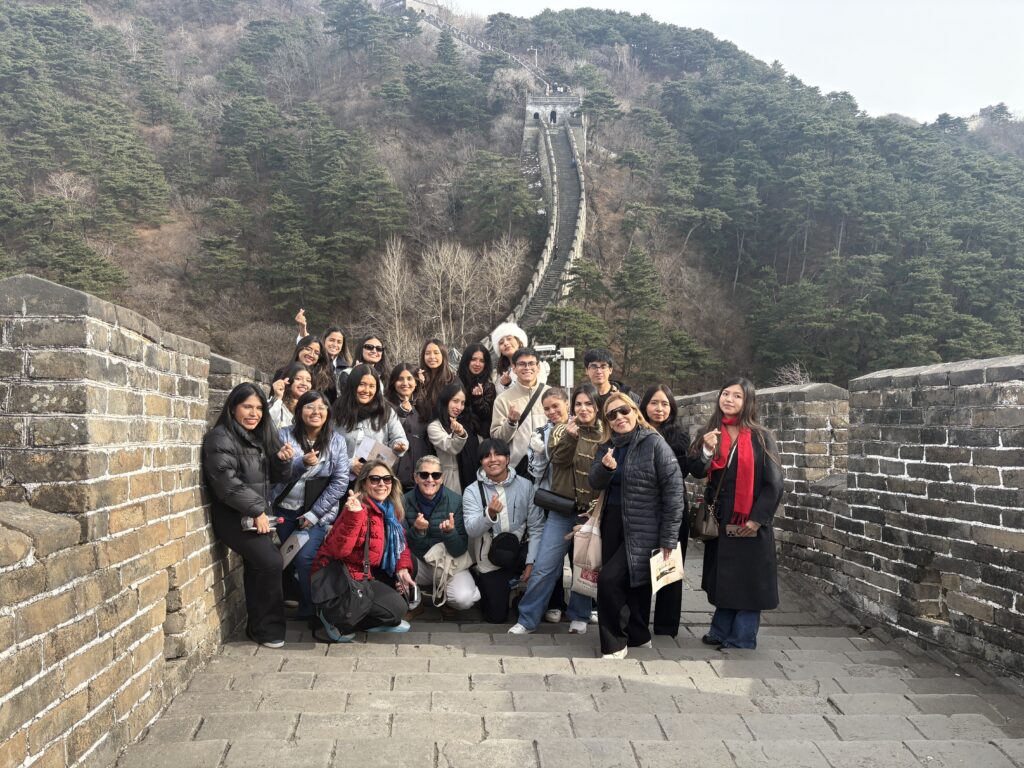
Group photo at the Great Wall

More To Explore

Cultural Dialogues

Summer Language Program – Student from Marquette 

This past summer at The Beijing Center (TBC), students from Marquette University took TBC’s Chinese language courses for college credit. TBC’s program offers an intensive, immersive curriculum in the heart of Beijing.
Cultural Dialogues

American Jesuit High Schools Servicing Local School Children 

This past summer in China, TBC connected students from Notre Dame School of Manhattan and Xavier High School with some of Beijing’s local elementary students. The young children were shy at first, but they eventually loved interacting with their new American friends.