跳到主要内容

The Beijing Center

American Jesuit High Schools – Culture Shock in Chinese Daily Life

Share This Post

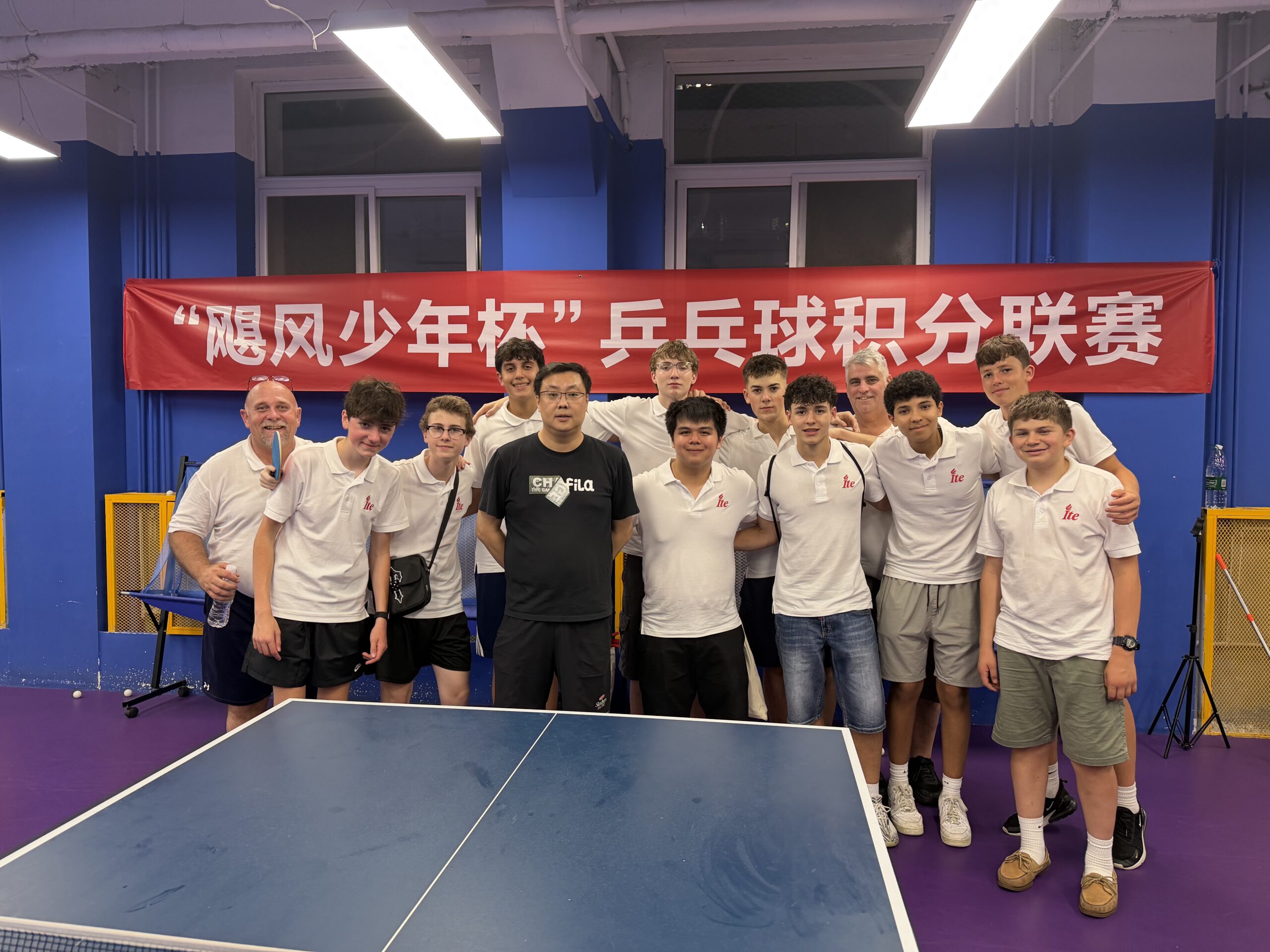
Last summer, The Beijing Center (TBC) hosted Loyola Blakefield High School, Boston College High School, Xavier High School, and Notre Dame High School in China. Expectedly, on the other side of the world, there had been a significant culture shock for the students, even within China’s international cities. With the assistance of TBC, students got to learn how to use Chinese apps, navigate streets, and implement regular appliances into their lives quite smoothly. Many students’ previous cultural misconceptions of China were challenged; however, new and unexpected demands also arose.

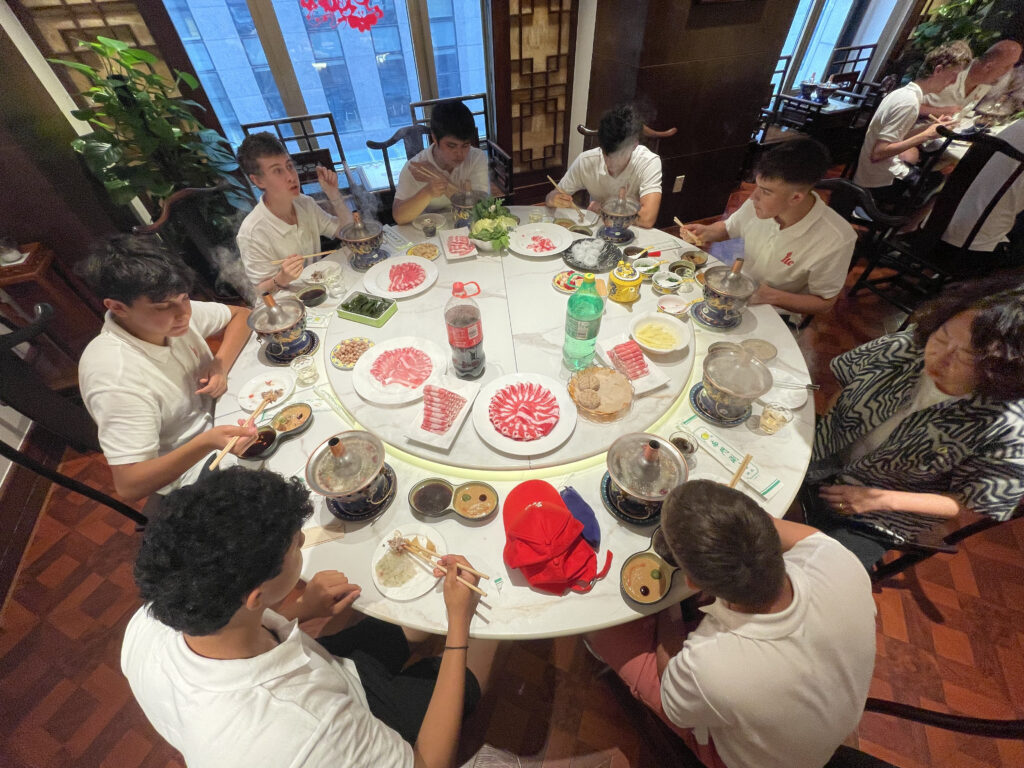
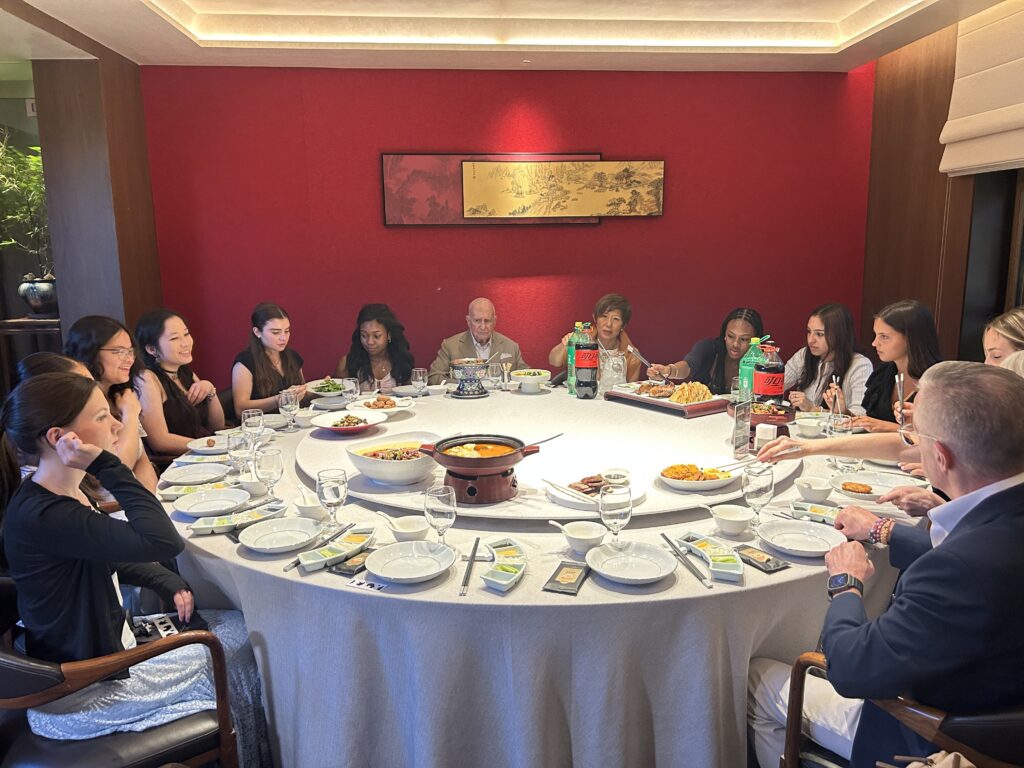
When it came to eating food outside of the hotel buffet, students were forced to become better with their chopsticks. Many struggled at the beginning, whereas many others had been able to show off their skills. Students got used to other aspects of Chinese-style dining, including the unfamiliar phenomenon where all dishes on the table are communal and everybody is forced to share with each other. During their first few days in China, many students disliked sharing, and many even competed over who took more food out of favorite dishes. However, by the end of their trip, students helped roll the turntable for fellow classmates when requested to.

The most difficult cultural barrier may have initially been the change in their online lives, as multiple American-owned companies such as Google, YouTube, Snapchat, and Instagram have no trace in China without a VPN. China’s firewall created many issues for the students, but over time, many became avid users of WeChat, Alipay, AMap, Baidu and Baidu Map, as well as Taobao. A few students even made online bulk orders for clothing through Pinduoduo.

In areas like traditional “Hutong” residences, students had no choice but to find local bathrooms to relieve themselves. China’s squatty potties were incredibly difficult for students to get used to. Students were even more frustrated when they discovered that many nicer, cleaner bathrooms still provided no toilet paper. This showed them China’s cultural emphasis of preserving resources due to the high population. The paper you use must be your own; that way you don’t waste it.

Just like with any unfamiliar city, navigating China’s metropolitan areas was difficult at the beginning. The students spent most of their time in Beijing, the capital, which has a bustling life and loud, crowded roads. However, students eventually got used to the “Ring Roads” of Beijing, and many even remarked on how convenient it is. Many students could instantly tell you which direction was North, South, East, and West without the help of TBC staff.

Before arriving to China, many students thought life would be exactly how they saw it online. But online information tends to paint images of other societies and cultures black and white. Some expected China to be perfect in every way, whereas some expected China to be a police state with nothing but surveillance. All these misconceptions were challenged, and students learned that in many ways, life in major Chinese cities was not too different from life in American cities.

More To Explore

Cultural Dialogues

TBC Welcomes Colombian University Delegation to Beijing

A Colombian university delegation visited Beijing with TBC to explore China’s history, culture, higher education, and technological development. Through meetings with universities, scholars, and leading companies, the visit opened up opportunities for future academic and cultural exchange between China and Colombia.
Cultural Dialogues

A Night in BOO(jing)

Samantha shares her experience at Universal Studios Beijing, from thrilling roller coasters and Kung Fu Panda attractions to Halloween haunted houses. Along the way, she discovers the park’s unique charm and offers tips for fellow visitors.

Cultural Dialogues

TBC’s Rare Books Featured at the Beijing Confucian Temple

TBC loaned three rare books to The Great Confucius exhibition at the Beijing Confucian Temple and Imperial College Museum, showcasing the spread of Confucian thought in Europe and centuries of cultural exchange.