The Beijing Center

Brushstrokes of Meaning: My Chinese Arts and Culture Exhibition Experience

Share This Post

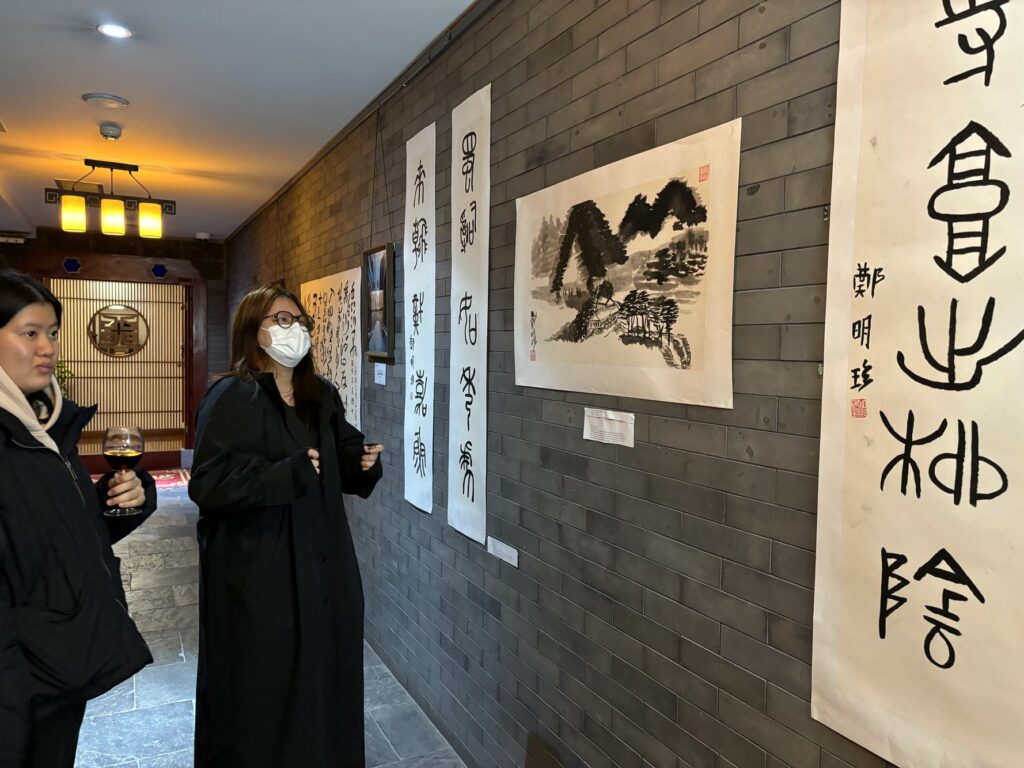
Art often bridges the past and present, connecting us to centuries-old traditions while sparking deeply personal creativity. My recent experience in a Chinese Arts and Culture class beautifully encapsulated this idea. The culmination of months of practice and exploration was a small yet vibrant art exhibition that my classmate and I co-organized. Though the class consisted of just two students, our shared passion and dedication transformed this intimate setting into a meaningful artistic journey.

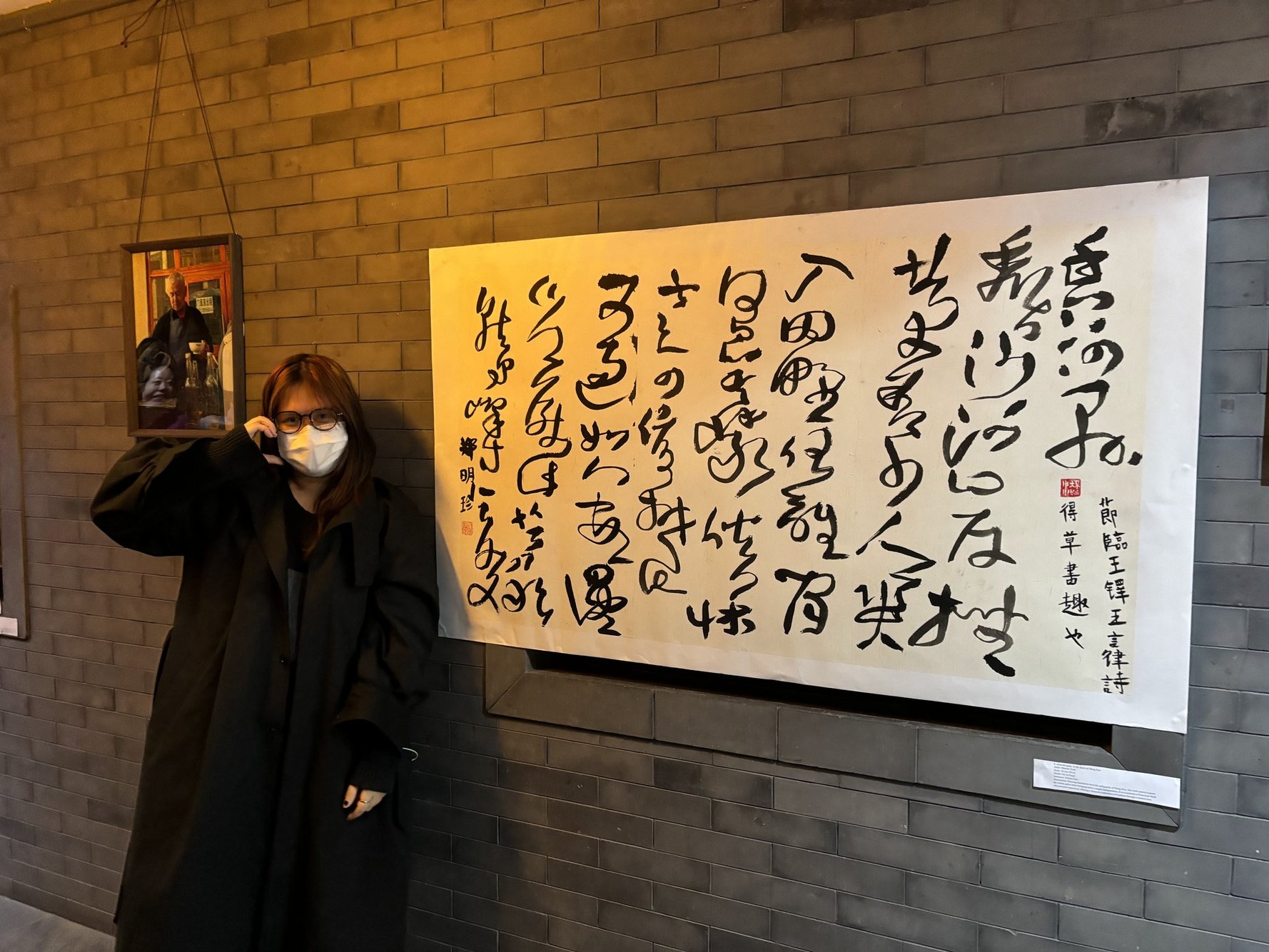
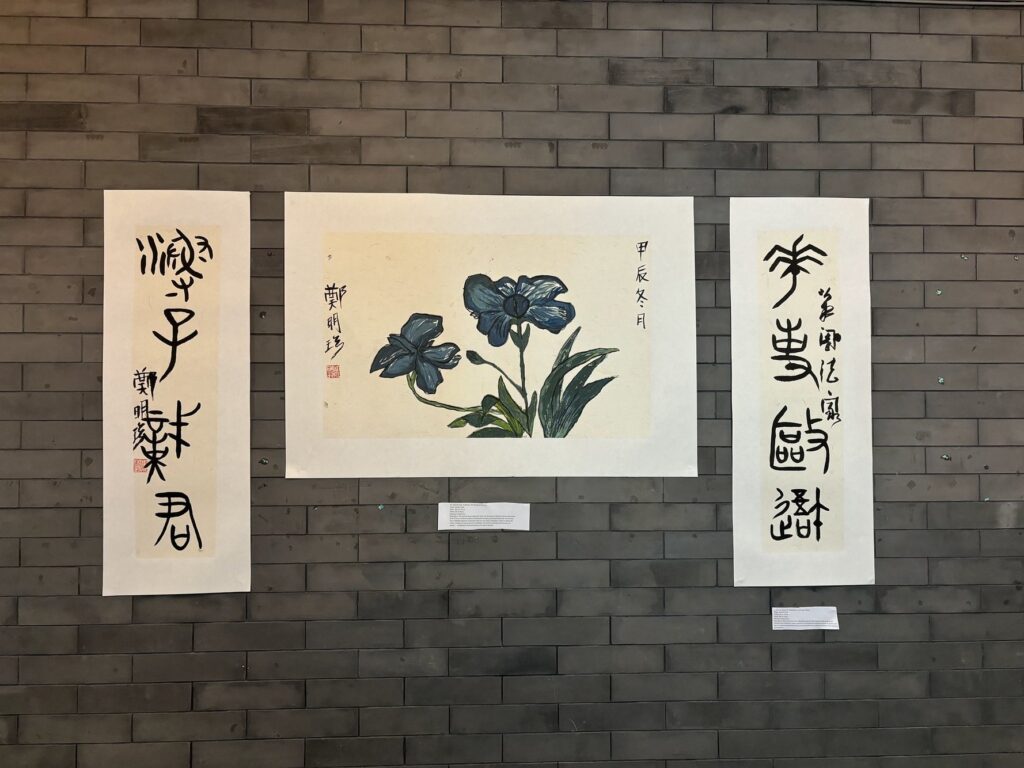
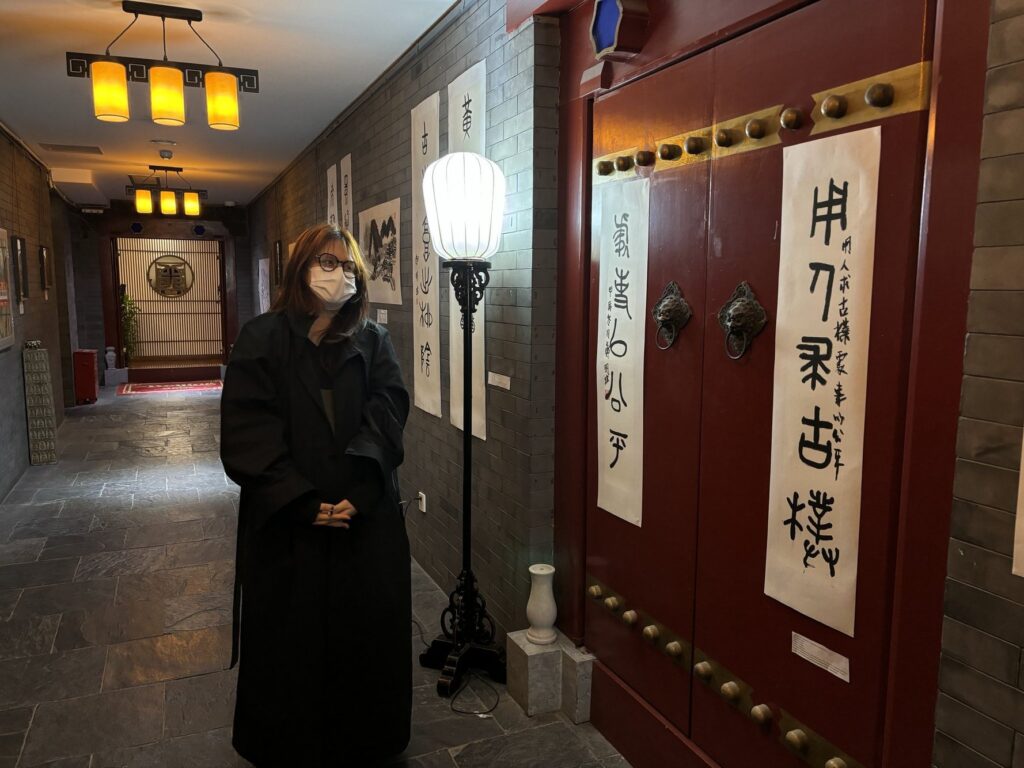
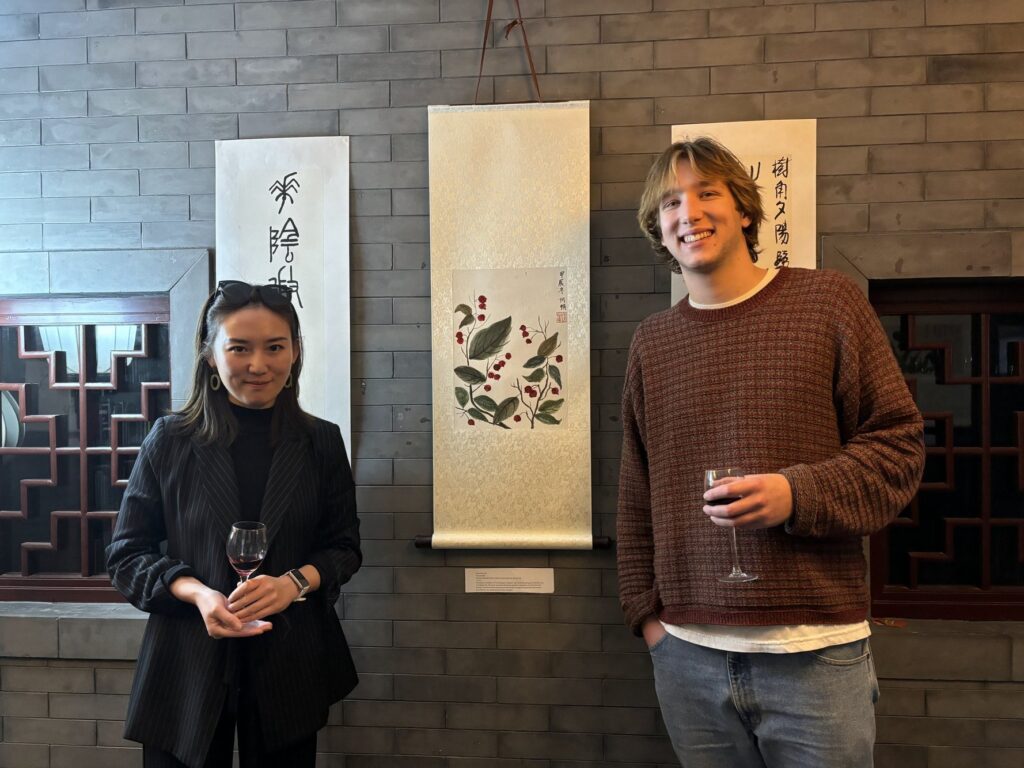
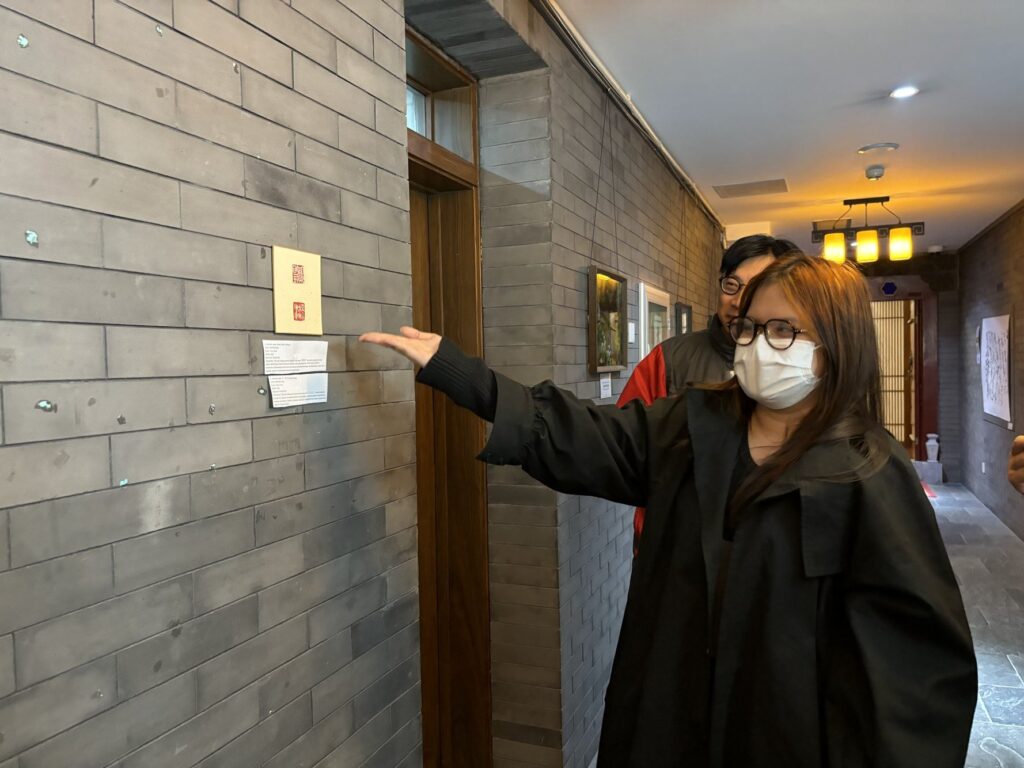
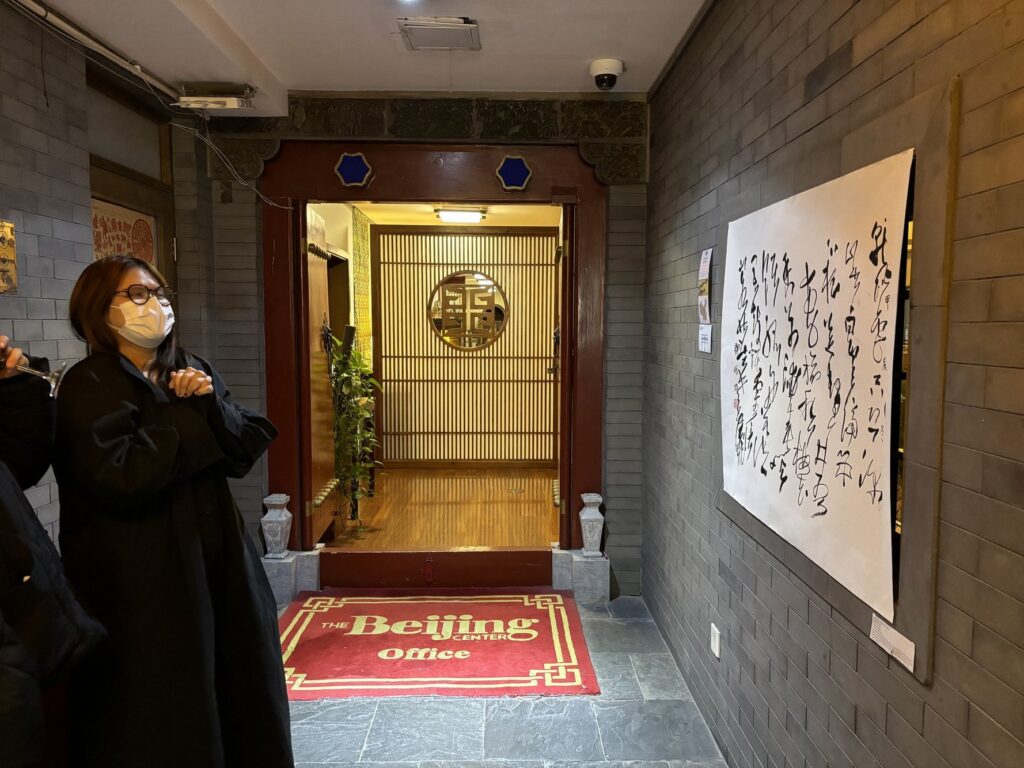
The exhibition was the highlight of our learning experience. Each of us showcased ten carefully crafted pieces, representing a blend of traditional Chinese calligraphy and painting techniques. My contributions included calligraphy in seal script and cursive styles, carved seals, and paintings of flowers and serene landscapes. The variety allowed me to explore different facets of Chinese art, from the precision of calligraphic strokes to the soft, naturalistic touches in painting.

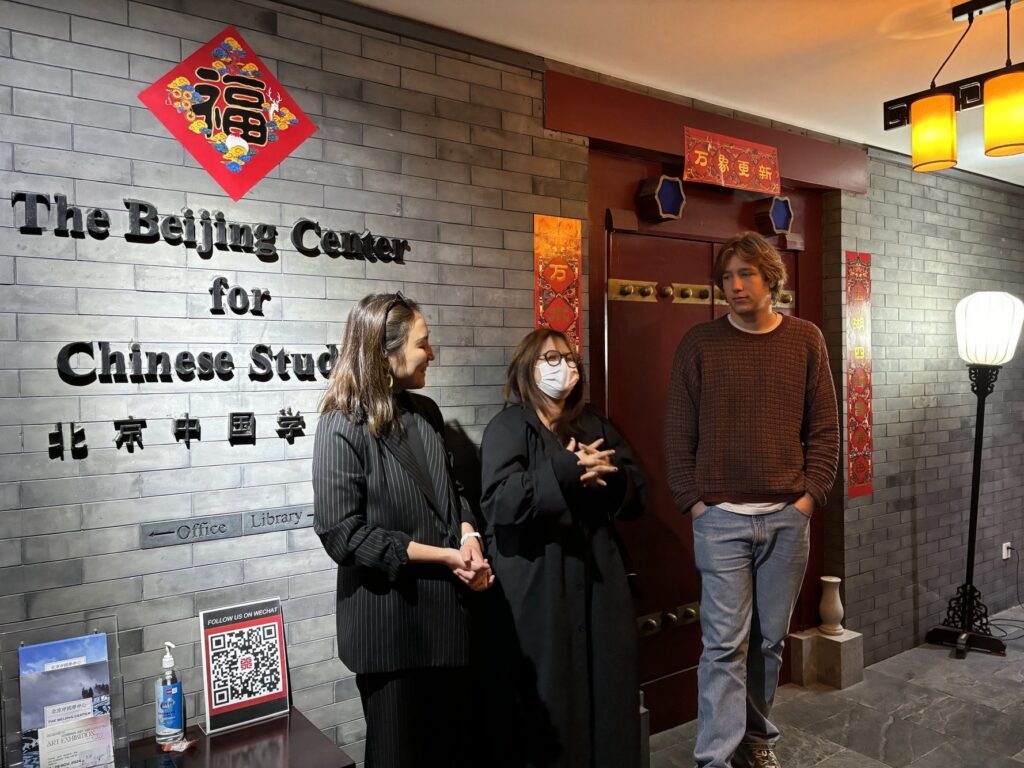
One of the most enriching aspects of the exhibition was the interaction with attendees. A surprising number of people came to view our work, filling the room with curiosity and thoughtful energy. They asked detailed questions about our creative processes, the stories behind our pieces, and the challenges we faced during creation. Sharing my inspirations and hearing their perspectives made the event a lively exchange of ideas and appreciation, proving that art transcends language and cultural barriers.

A deeply personal thread running through this experience was my decision to adopt a Chinese name, 郑明珍. This name, however, was not chosen arbitrarily — it came to me during a solo trip to Taiwan. There, I encountered a fortune teller who, without any prompting or payment, handed me a piece of paper bearing these three characters. Initially, I didn’t think much of it, but upon returning home, I realized they were the exact Chinese translation of my Vietnamese name. The coincidence was both startling and meaningful, making this name feel like a bridge between my heritage and my artistic journey.

The art class itself was a haven of tranquility and focus. Guided by the patient and meticulous Professor Gao, I learned not only the technical aspects of Chinese art but also its underlying philosophy. Handling the delicate brushes, mixing vibrant inks, and practicing on carefully chosen papers felt almost meditative. Every brushstroke demanded intention, whether I was painting intricate flower petals or bold calligraphic characters. This hands-on approach allowed me to connect deeply with the art forms, moving beyond technique to appreciate their cultural resonance.

I also grew to understand the immense effort behind each artwork. Calligraphy, for example, requires both precision and fluidity, a balance that often took hours of practice to achieve. Seal cutting, on the other hand, taught me patience and the importance of detail. Each piece of art became a reflection of the time and care I poured into it, making the exhibition an intensely personal experience.

Reflecting on this journey, I am struck by how much I have gained — not just in skill, but also in understanding. The exhibition was more than a showcase; it was a celebration of tradition, effort, and creativity. It allowed me to connect with the rich history of Chinese art and share it with others in a way that felt authentic and fulfilling. The slow-paced, peaceful environment of the class provided the perfect space for this exploration, making the entire experience both rewarding and transformative.

As I look back, I am reminded that art is as much about the process as the result. This journey through calligraphy, painting, and cultural exchange has left a lasting impression, deepening my appreciation for the beauty and depth of Chinese traditions. It was a chapter of discovery, connection, and growth — a reminder of how art can weave the threads of history, culture, and personal identity into something truly meaningful.

By Fall 2024 Student Marselline.

More To Explore

Global Connections

Gubei: An Excursion to China’s Newest Old Water Town

Over this past weekend, some of our students enrolled at Minzu University of China took their annual Spring Outing – this year, to Gubei Water Town. Situated about a 2-hour drive northeast of Beijing, the April weather made it absolutely perfect to explore for a spring outing. It surrounds various canals and offshoots of Yuanyang lake.

Global Connections

Beijing’s Hutongs: From Snuff Bottles to Exploration with a View

If you ever want to get a taste of Old Beijing, by far one of the best ways is to visit the hutongs. They’ve conceptually been around all the way since the 1200s, and in their most modern forms exist as protected alleyways and streets surrounded by old traditional houses and neighborhoods in the heart of Beijing and are recognized in China to be an important part of cultural heritage in the city.

Global Connections

Yunnan Excursion: A Life-Changing Cultural Experience

My name is Jane Turner, and I’m a student from America- a second-year at Saint Louis University in St. Louis, Missouri. Although I’m studying in the middle of America, I come from the very south, from a state called Louisiana.

Global Connections

A Journey Inward: Culture, Identity, and Encounter in Yunnan

My name is Panatsaya, a third-year student at Xavier Learning Community (XLC) / Saengtham College, Xavier Campus, Chiang Rai (SC-XCC), and I come from the Akha ethnic community. Questions of culture, identity, and belonging have never been abstract to me—they have always been part of my daily life.