The Beijing Center

Tianjin: A Not-So-Hidden Weekend Gem

Share This Post

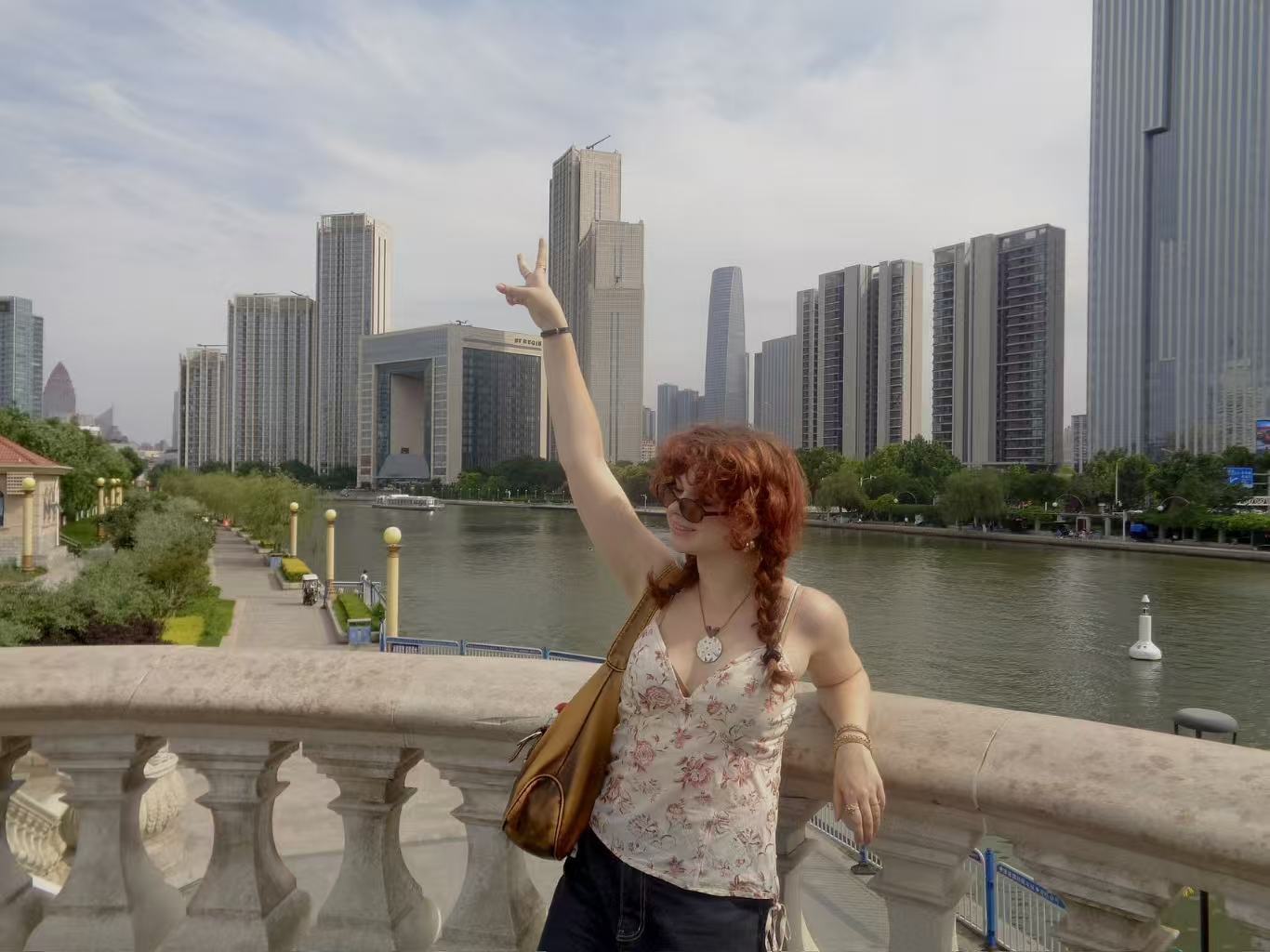
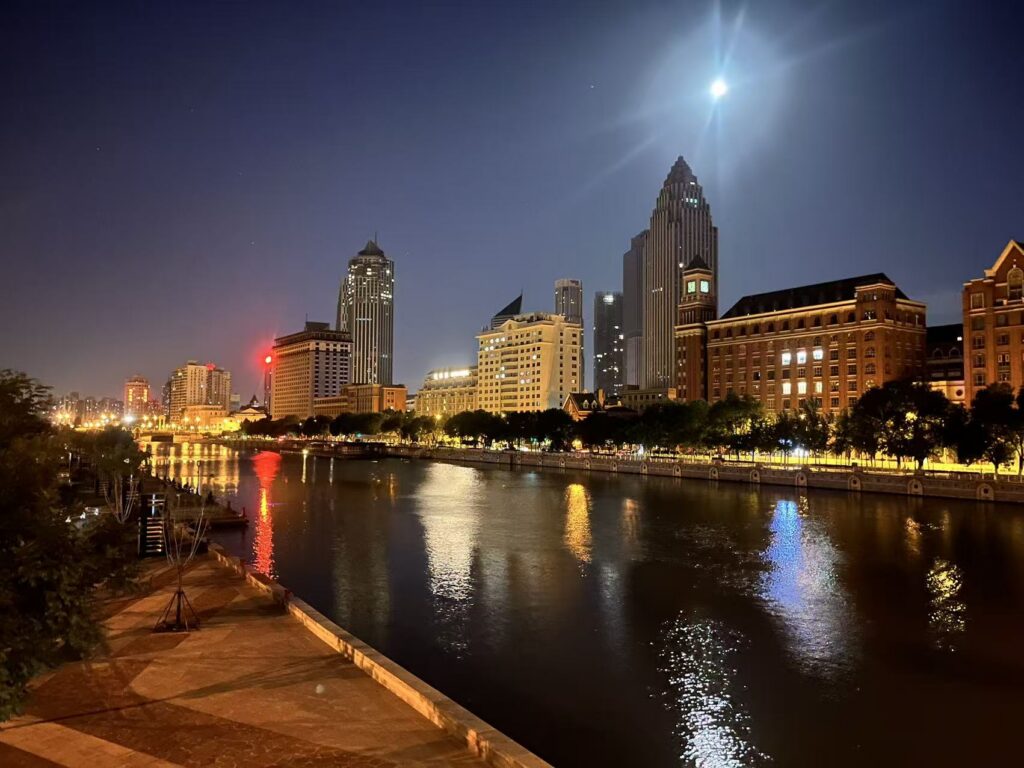
For the first time for one of these blogs, I’m taking on a new challenge: exploring without the involvement of The Beijing Center! This past weekend, I took the chance to take a pre-finals breath of fresh air and vacation for the first time in China, to the city of Tianjin. It was described to me initially as a fun smaller tourist town outside of Beijing, so if you know anything about Tianjin, you can imagine my surprise when I got off the train. While Beijing is one of the bigger cities in China, it’s full of much older, historical architecture and a very distinct traditional northern Chinese feel. Tianjin, however, a mere 30 minutes away by train, is a bustling city bigger than New York City by both physical size and population and is full of skyscrapers.

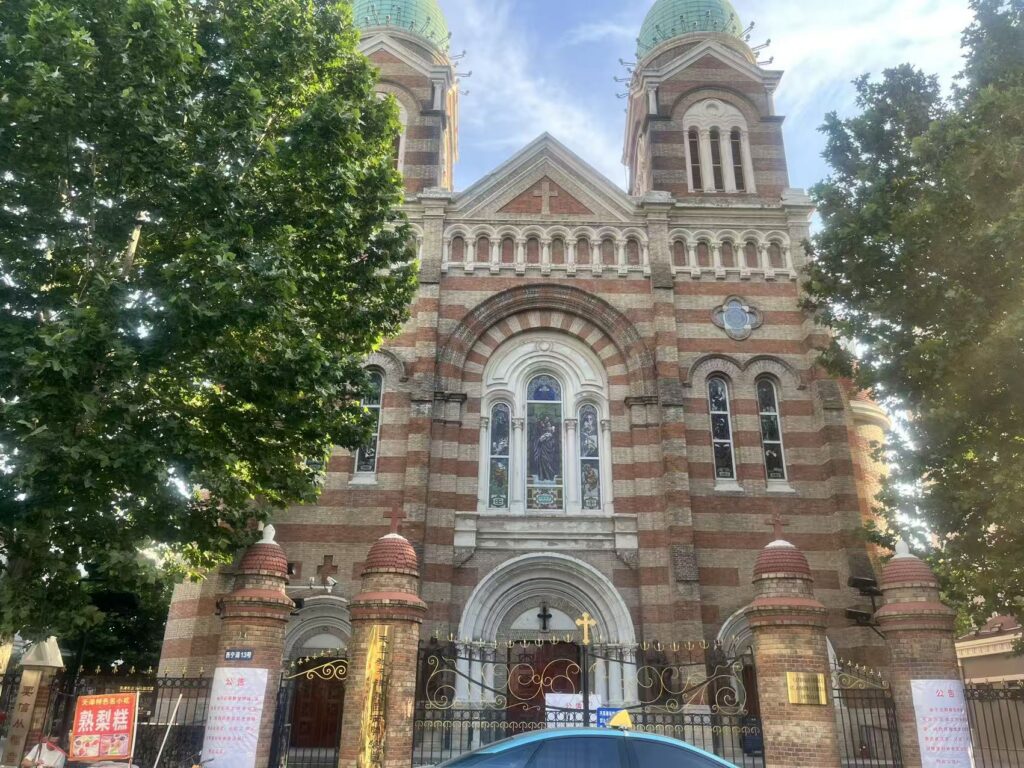
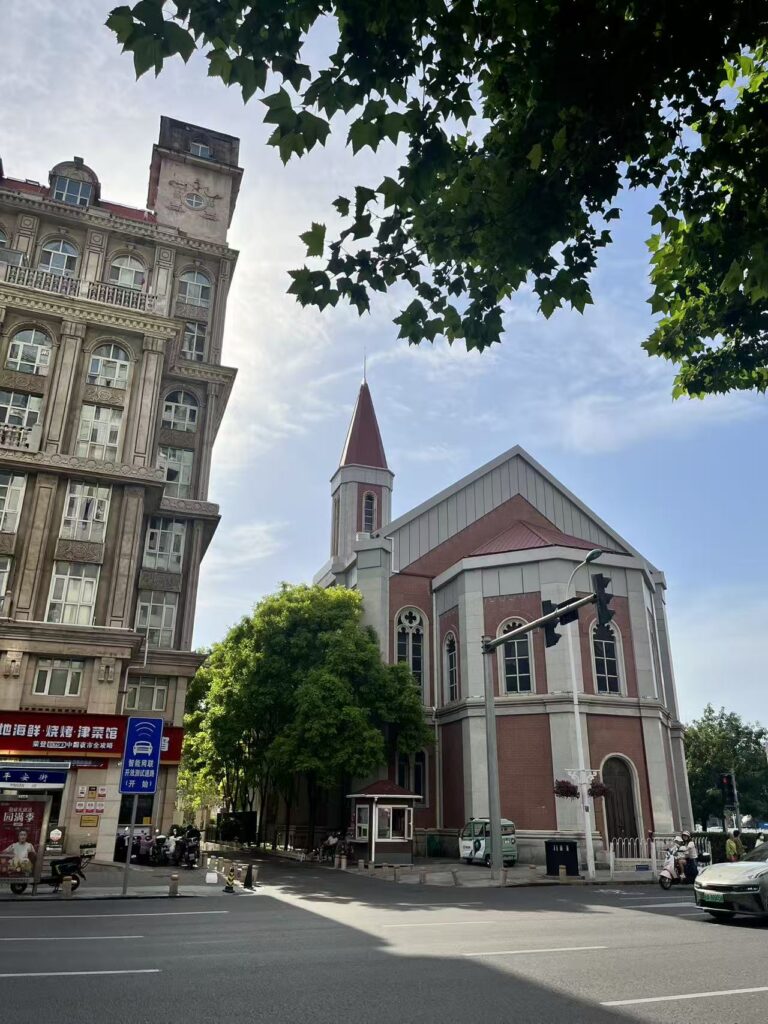
As a port city, it notably also has the biggest European influence I’ve seen so far in a Chinese city. At the risk of a little too much history for what’s essentially a travel blog, it’s had such heavy foreign influence ever since the Second Opium War in 1860, when France and Britain’s victory over China forced China to open its ports. After that, just about every European seafaring superpower you can imagine had some type of presence in the city: Germany, Russia, Britain, France, Italy, Belgium, and even Austria-Hungary and Japan. The end result is far more European buildings, bridges, statues, and churches than you’d otherwise imagine in such a modern Chinese city. This is doubly incredible when you consider the fact that most of the old European architecture here was actually demolished in the early 2000s, leaving it largely contained to tourist areas; you can only imagine how it looked before. It’s also consistently been a military stronghold (or chokepoint, or strategic captured city, or whatnot) throughout at least a few notable wars. Overall, it has some incredible history, which makes for some incredible views.

Even disregarding the iconic traditional European look of the city, the first introduction to its colorful culture I had was right when I stepped off the subway station. Finding English-language (or generally, non-Chinese) literature in China is often a bit of a struggle, but the first building I saw across from the Tianjin subway station was a massive foreign languages bookstore. They had books in almost every major language, a huge amount of language-learning resources, a massive selection of English classics, and even a tiny coffee shop inside. I walked out with a volume of John Milton’s complete poetry and a dual Mandarin-English copy of King Lear, and probably the happiest I’ve been in a bookstore for months.

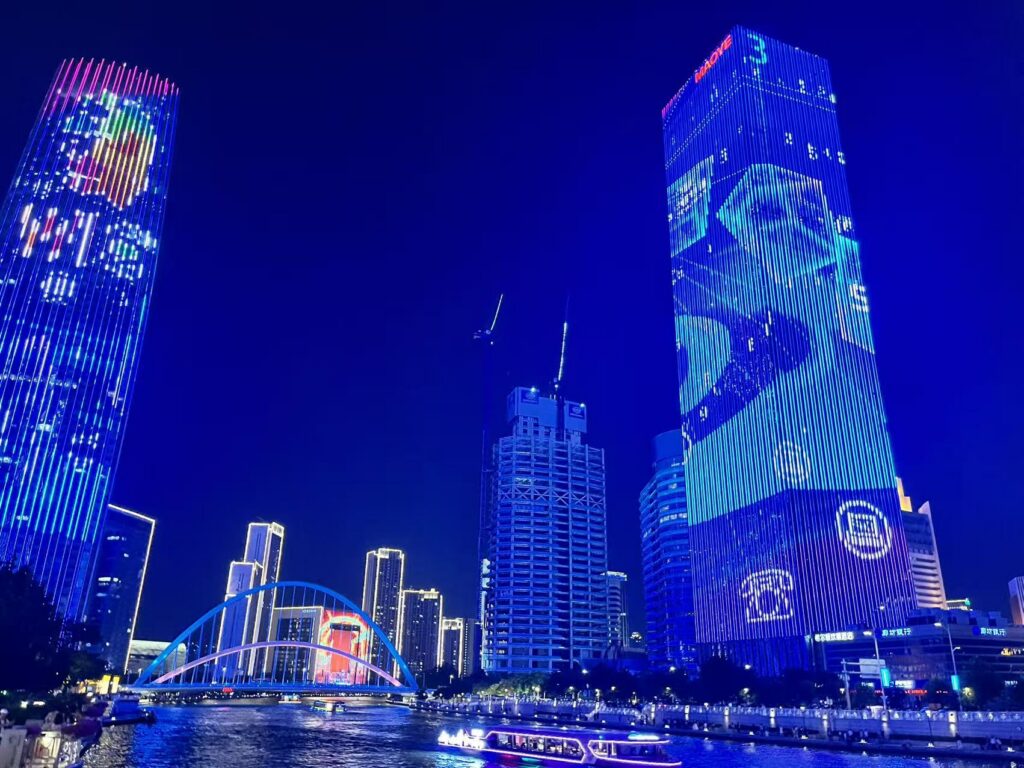
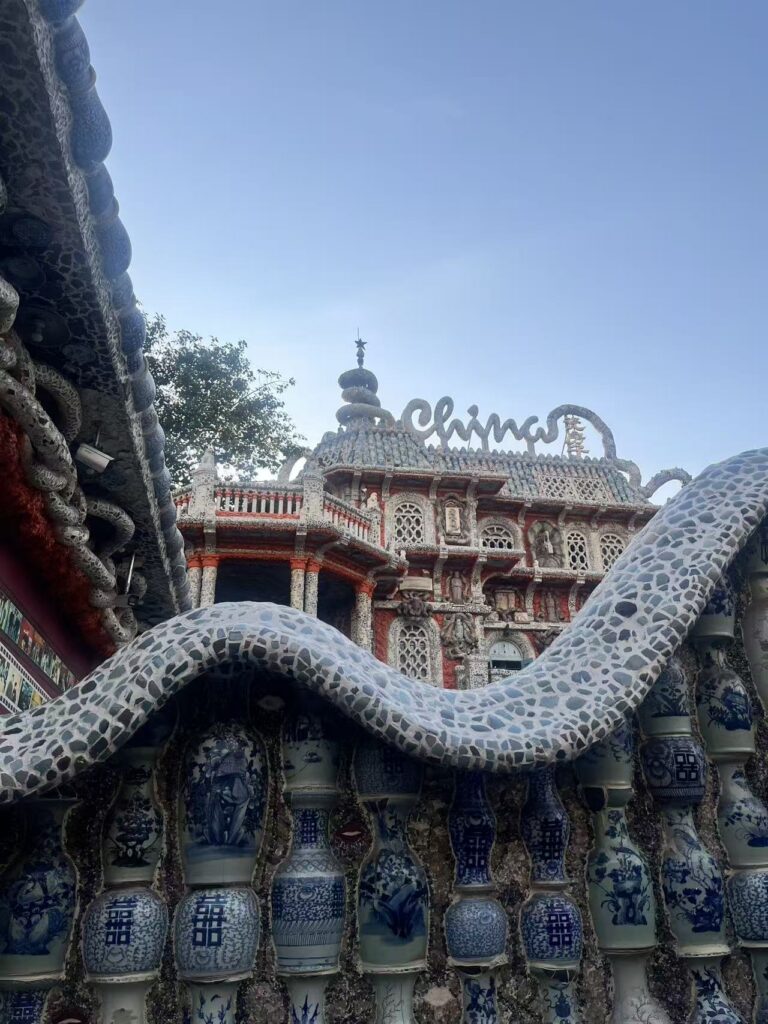
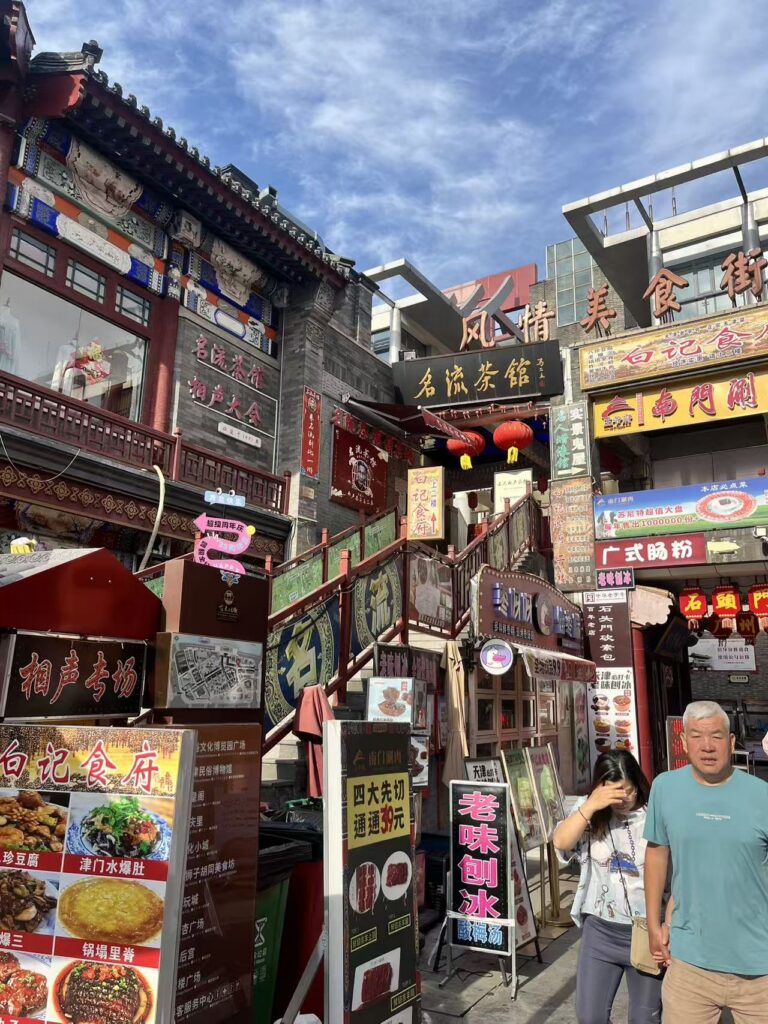
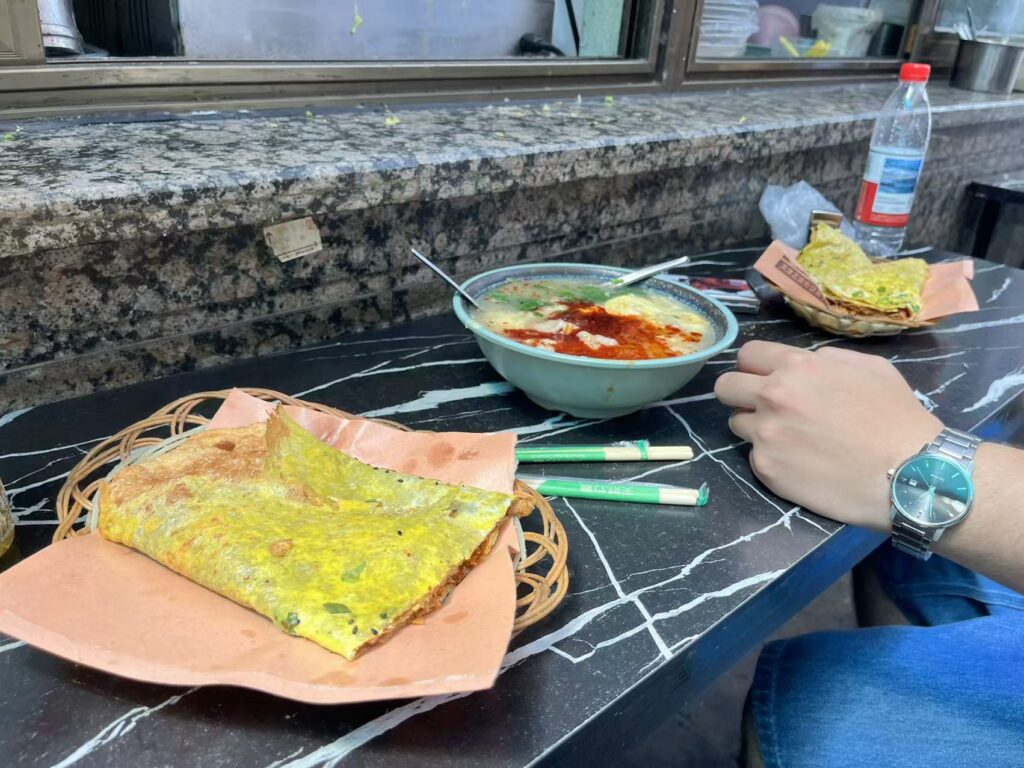
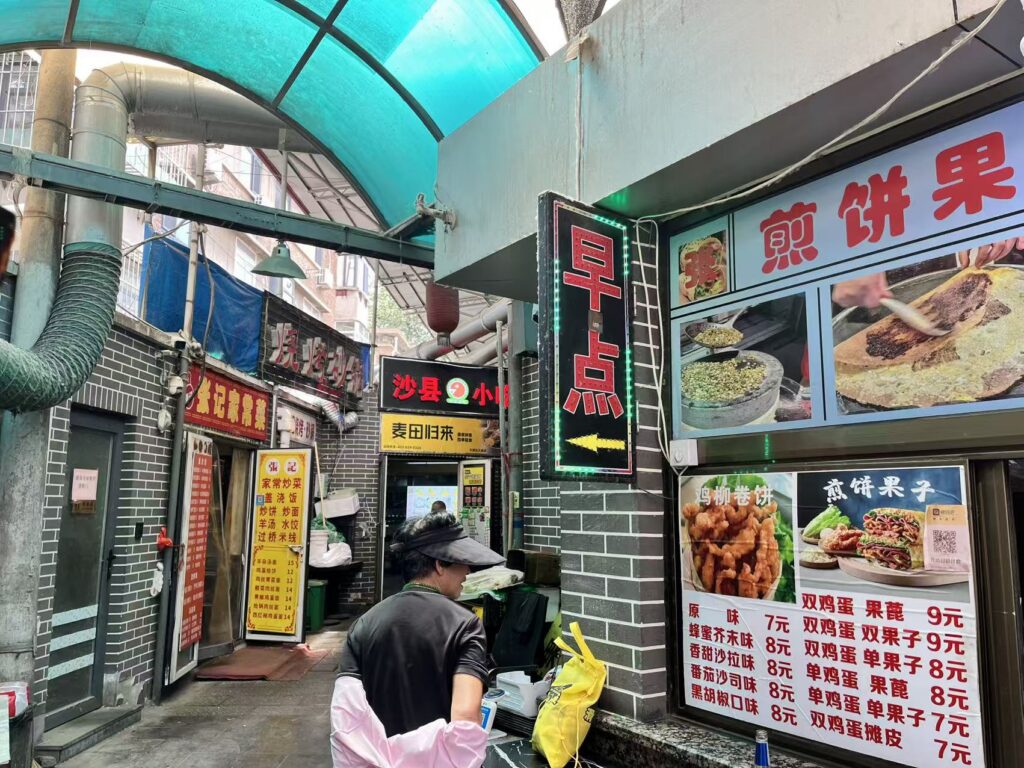
Unfortunately, since I only had the time to explore Tianjin for a little under 24 hours, I did miss out on a lot of the more interesting attractions. It’s home to a massive host of museums, ranging from natural history and art to specifically Zhou Enlai. I did, however, make around 24,000 steps walking as much of the city as physically possible in one day, and got to visit a solid amount of the smaller and more central attractions in the city: the river, the night light displays, the old Italian district, several old parks and churches, the Century Clock, the Porcelain House, Tianjin’s Ancient Culture Street, and Nanshi Cuisine Street. I finally experienced my first Northern Chinese street food as well (jianbing guozi, for those curious) and predictably, got sick. It was delicious, I do not regret it, and I’d absolutely do it again. One of these days I’ll develop an immunity if I just keep trying! I also had some delicious zongzi (a mix of durian and chocolate, which sounds odd to some and is certainly not traditional, but I’d definitely recommend it) along with another traditional black sesame mochi sweet from the area. Tianjin is also, without a doubt, home to some of the best Western food I’ve ever tasted in China.

All in all, it was a good experience. Primarily, it was my first non-program travel experience in China and was all the more special for it. If anyone located in the Beijing area ever needs a vacation or a weekend getaway that feels a little more modern, it’s a perfect spot. Close enough to make traveling there a cheap subway ride and train ride away, and with an entirely different feel than Beijing, it’s the perfect place to unwind a little bit. Especially if you’re like me and have a lot of work coming up and want to relax beforehand, there’s nowhere better for a quick refresh!

By Jane Turner, Spring 2026

More To Explore

Global Connections

Tianjin: A Not-So-Hidden Weekend Gem

For the first time for one of these blogs, I’m taking on a new challenge: exploring without the involvement of The Beijing Center! This past weekend, I took the chance to take a pre-finals breath of fresh air and vacation for the first time in China, to the city of Tianjin.

Global Connections

The Great Wall of China: The Most Iconic Tourist Experience

If there’s any historical landmark related to China someone remembers learning about as a young child, odds are it’s the Great Wall of China. I have distinct memories of sitting in my third-grade social studies class, learning about this ancient marvel of engineering that was large it could be seen from space.

Global Connections

Heaven in Beijing: TBC’s Visit to the Temple of Heaven

Beijing’s Temple of Heaven may be one of, if not, the most iconic tourist sites in Beijing. Constructed starting back in 1406, around the same time as the Forbidden City and the other respective temples of the Sun, Earth and Moon.