The Beijing Center

History and Hutongs: Connecting with Chinese Tradition through Handicraft

Share This Post

Snuff bottles represent a centuries-old cultural exchange between Europeans and the Chinese, where the import of tobacco products met the craftsmanship and artistry of Manchurian Beijing in the height of the Qing Dynasty. Manchu culture relished in entertainment and creature comforts, and snuff, being a mixture of ground tobacco and dried herbs, became very popular. In Europe, the powder was stored in boxes, but in the more humid China, medicine bottles were better for keeping the snuff fresh. Passed from Jesuit missionaries to the emperors, snuff bottles spread from the court to average citizens, and across Asia.

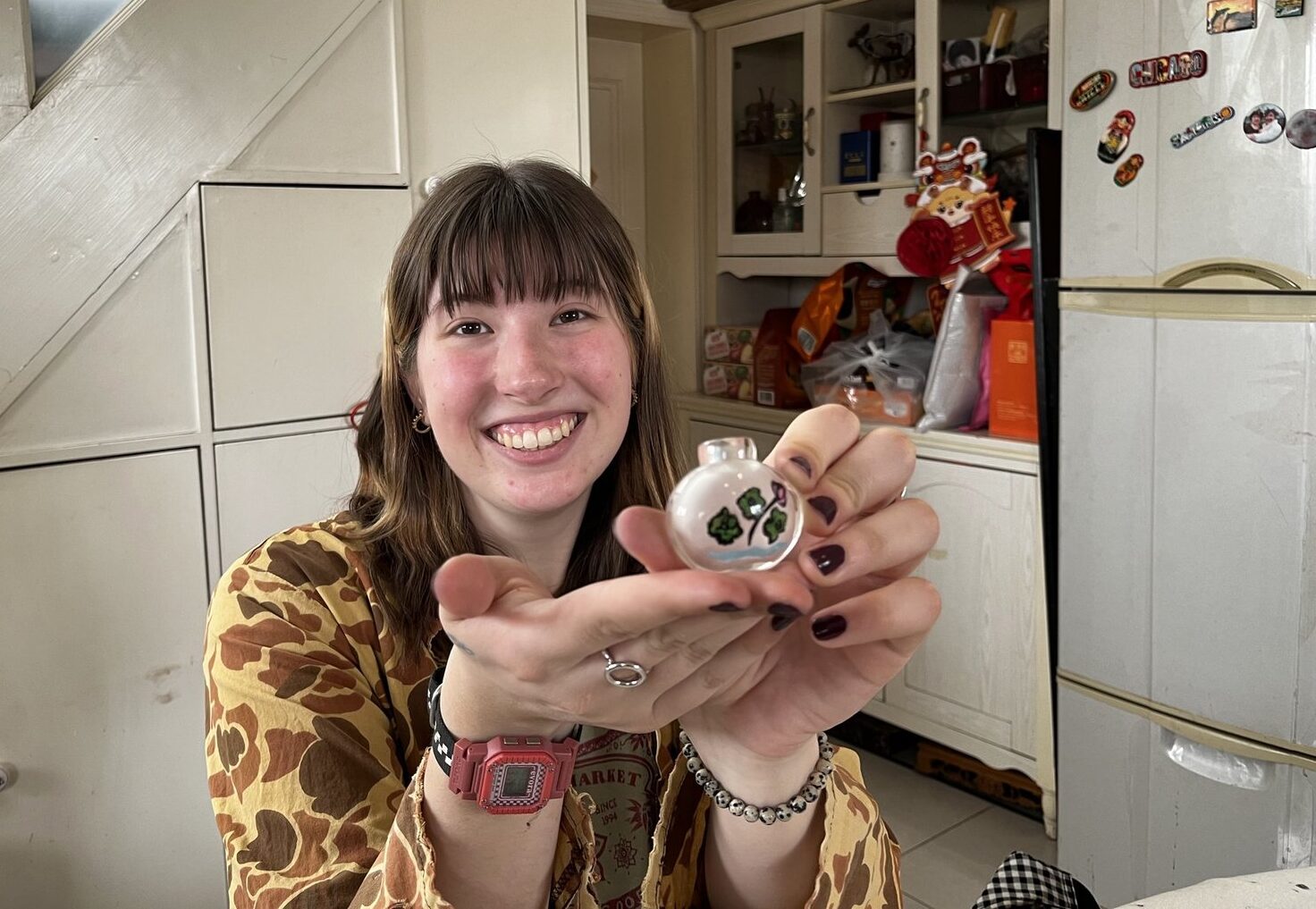
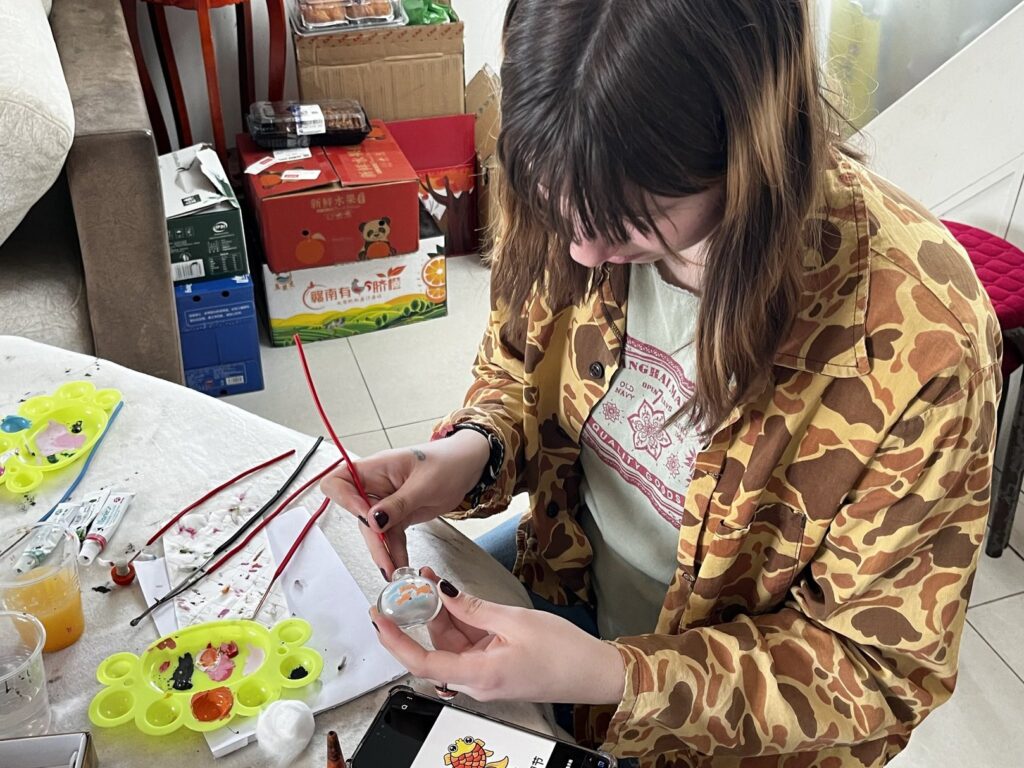
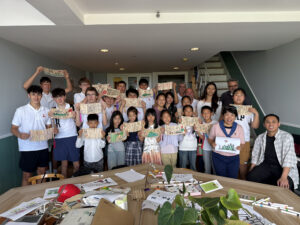
This past Sunday, I was able to take part in the art of inside-painting a snuff bottle, with the guidance of a master of the craft, 李静老师. The intricate reliefs are as challenging to create as they look, if not harder, requiring a deft hand and careful use of color. 李静 has been painting snuff bottles since she was a little girl, and described practicing straight lines for hours as a child. Her family has been passing down the tradition for many generations, and she herself is now one of the more famous snuff painters in Beijing. Similarly, their home in the hutongs is very traditional for Beijing locals, which with larger common areas and close quarters promotes communal living and a family-centered lifestyle.

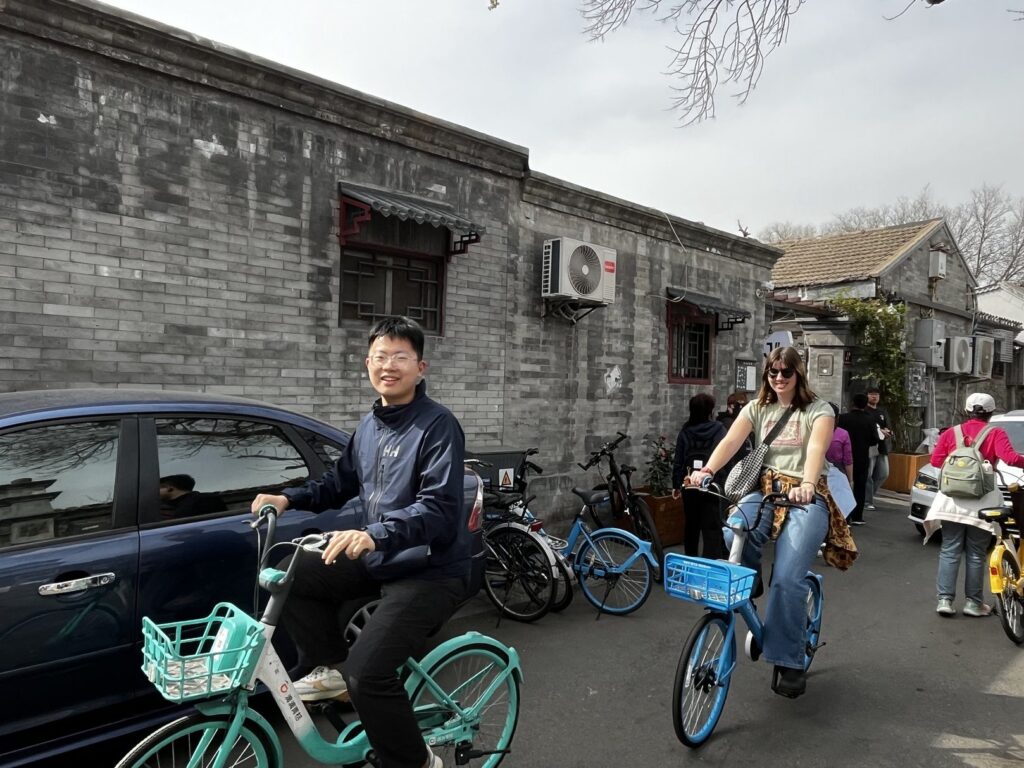
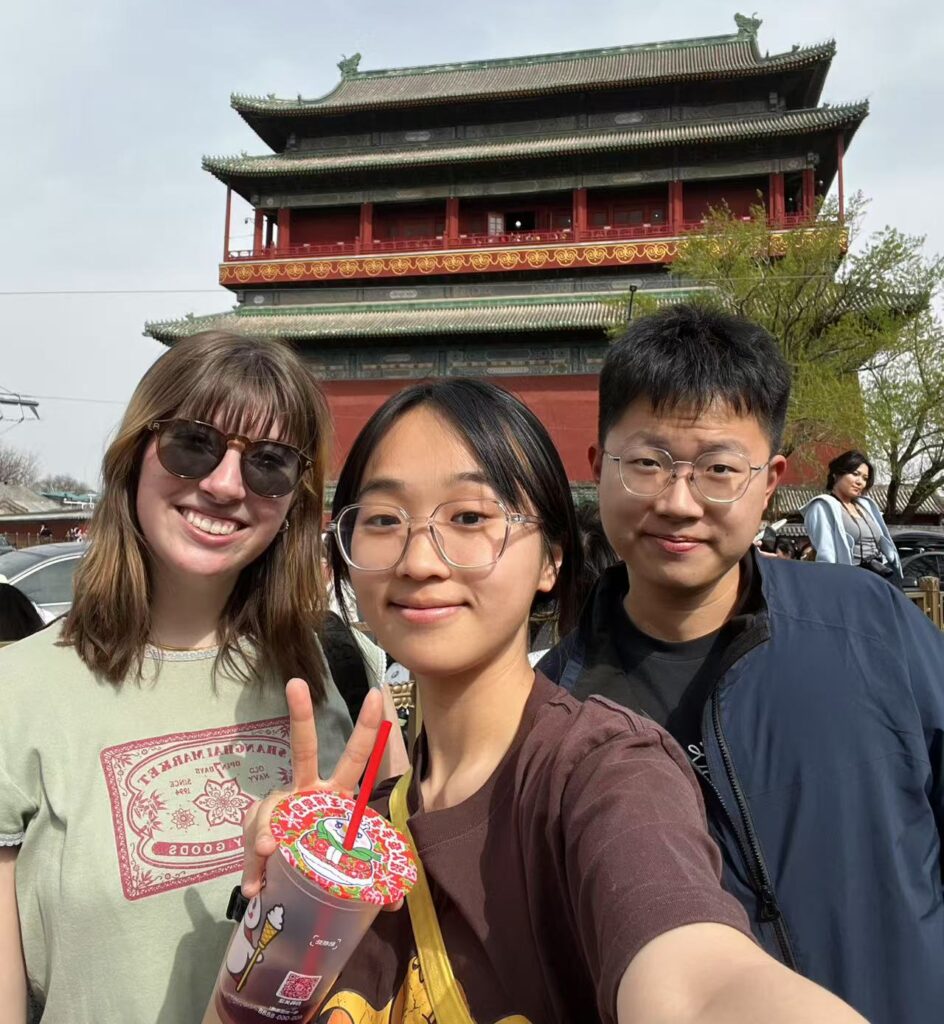
After spending the morning in her family’s home, we explored the area on bikes and on foot, traversing the alleys both touristy and local, the traditional residential style and renovated for retail. We passed by the bell and drum towers, which are now infamous for drawing crowds of tourists. Built in the Yuan Dynasty, they used to announce the daytime (bell) and nighttime (drum) hours. Originally, the towers were the tallest buildings in Beijing, to best be heard by all in the hutongs.

Beijing is full of these contradictions between tradition and innovation. It’s an incredible experience to explore a city so globally connected and so in touch with its own heritage. A day of painting snuff bottles, standing beneath the drum and bell towers, and biking through the hutongs on a beautiful spring day was enough to remind me of that.

By Spring 2025 Student Ruby.

More To Explore

Global Connections

Gubei: An Excursion to China’s Newest Old Water Town

Over this past weekend, some of our students enrolled at Minzu University of China took their annual Spring Outing – this year, to Gubei Water Town. Situated about a 2-hour drive northeast of Beijing, the April weather made it absolutely perfect to explore for a spring outing. It surrounds various canals and offshoots of Yuanyang lake.

Global Connections

Beijing’s Hutongs: From Snuff Bottles to Exploration with a View

If you ever want to get a taste of Old Beijing, by far one of the best ways is to visit the hutongs. They’ve conceptually been around all the way since the 1200s, and in their most modern forms exist as protected alleyways and streets surrounded by old traditional houses and neighborhoods in the heart of Beijing and are recognized in China to be an important part of cultural heritage in the city.

Global Connections

Yunnan Excursion: A Life-Changing Cultural Experience

My name is Jane Turner, and I’m a student from America- a second-year at Saint Louis University in St. Louis, Missouri. Although I’m studying in the middle of America, I come from the very south, from a state called Louisiana.

Global Connections

A Journey Inward: Culture, Identity, and Encounter in Yunnan

My name is Panatsaya, a third-year student at Xavier Learning Community (XLC) / Saengtham College, Xavier Campus, Chiang Rai (SC-XCC), and I come from the Akha ethnic community. Questions of culture, identity, and belonging have never been abstract to me—they have always been part of my daily life.