
The Beijing Center

Library Tour: A Look Inside Kircher’s China Illustrata

Share This Post

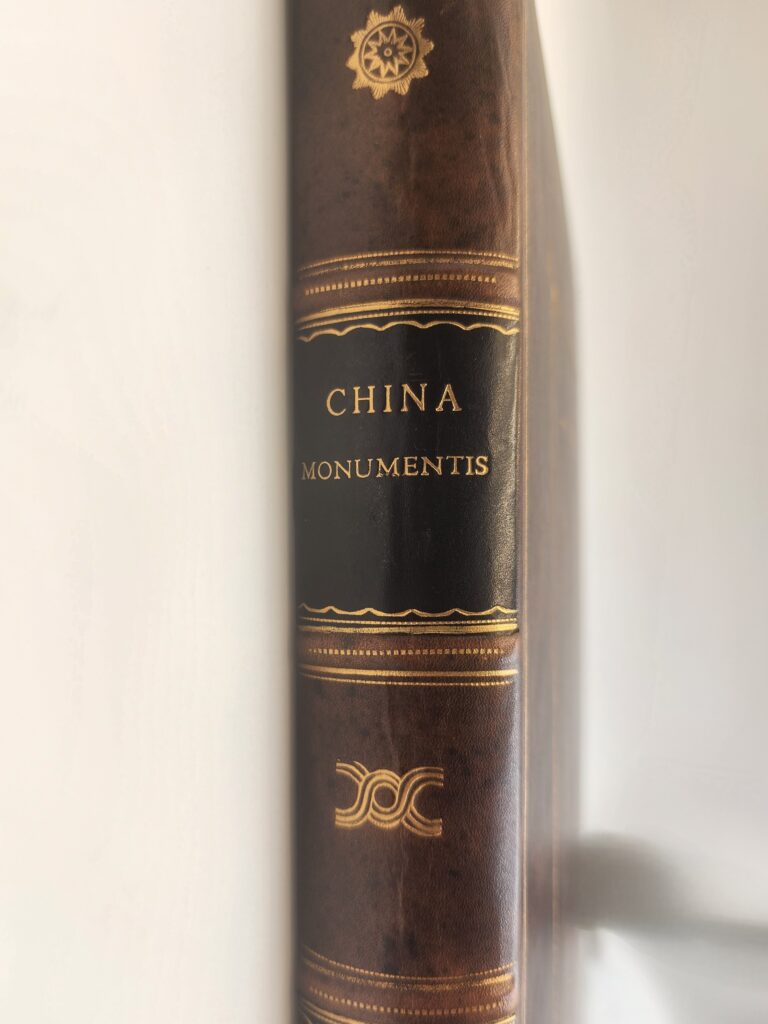
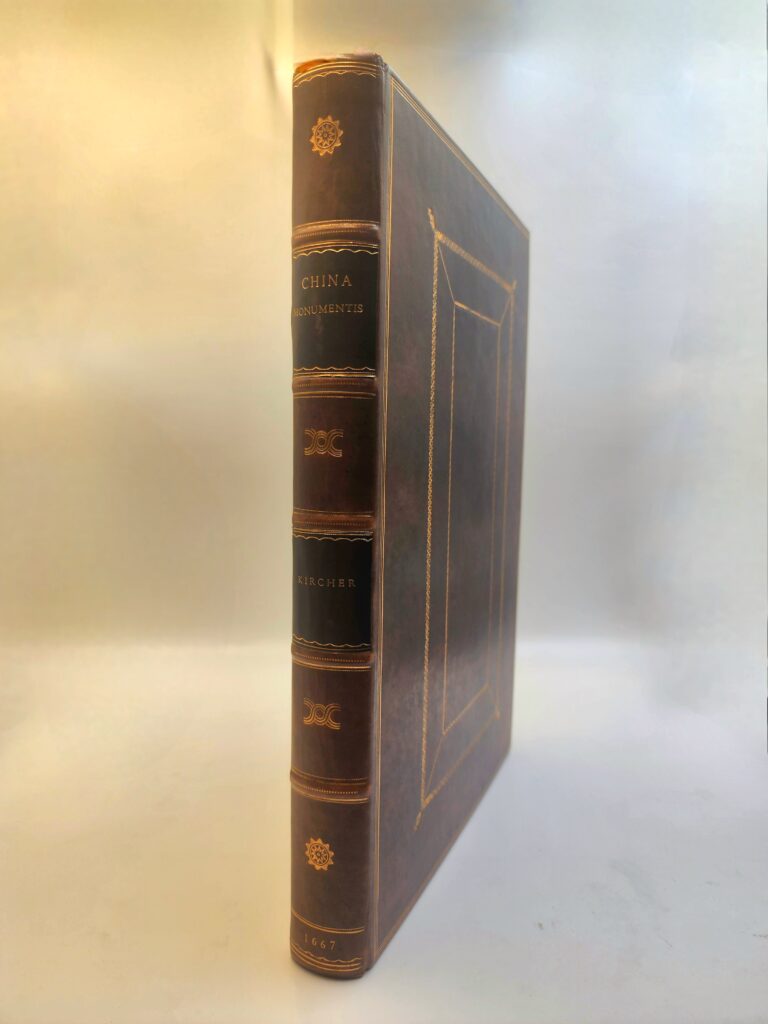
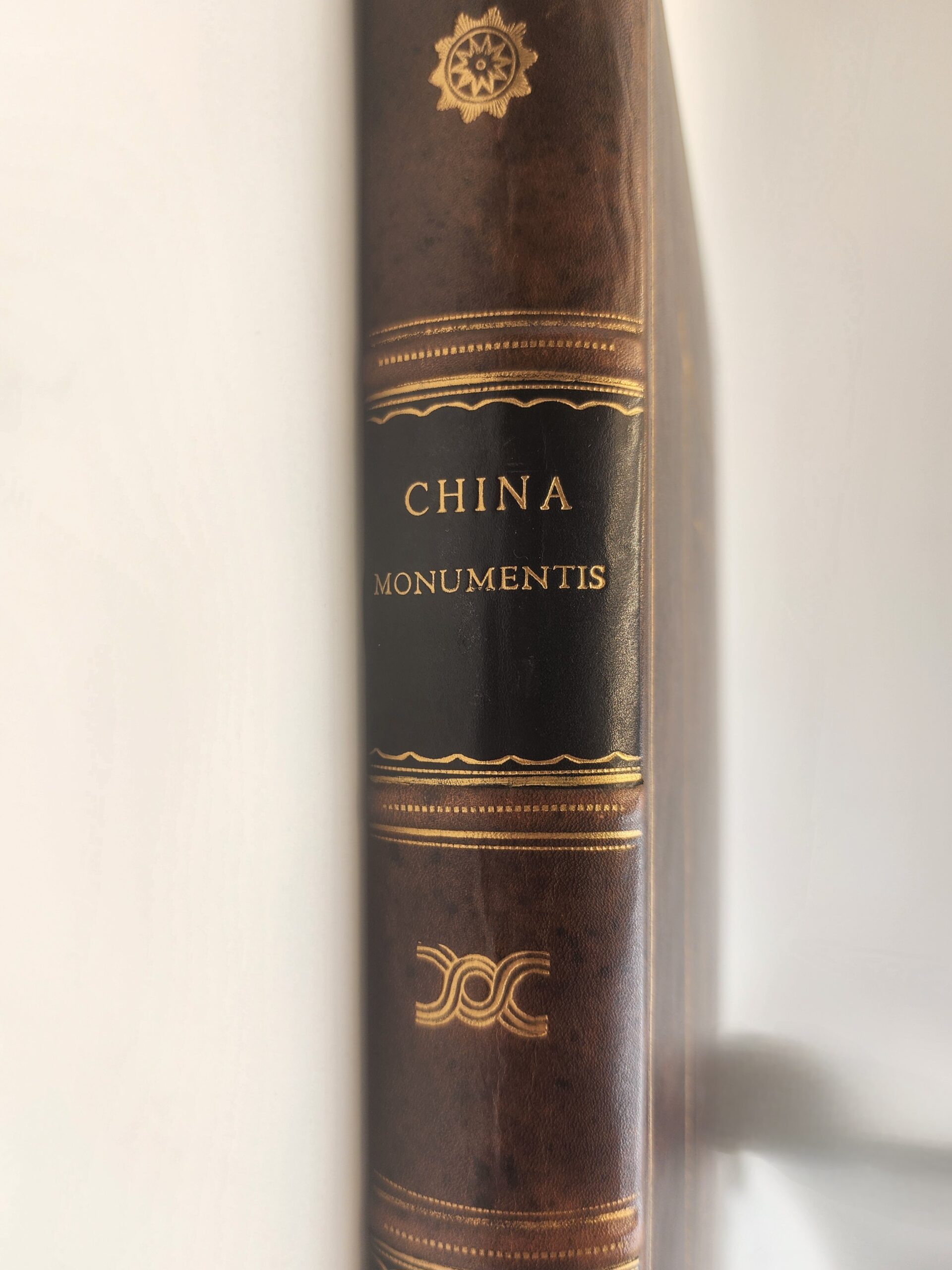
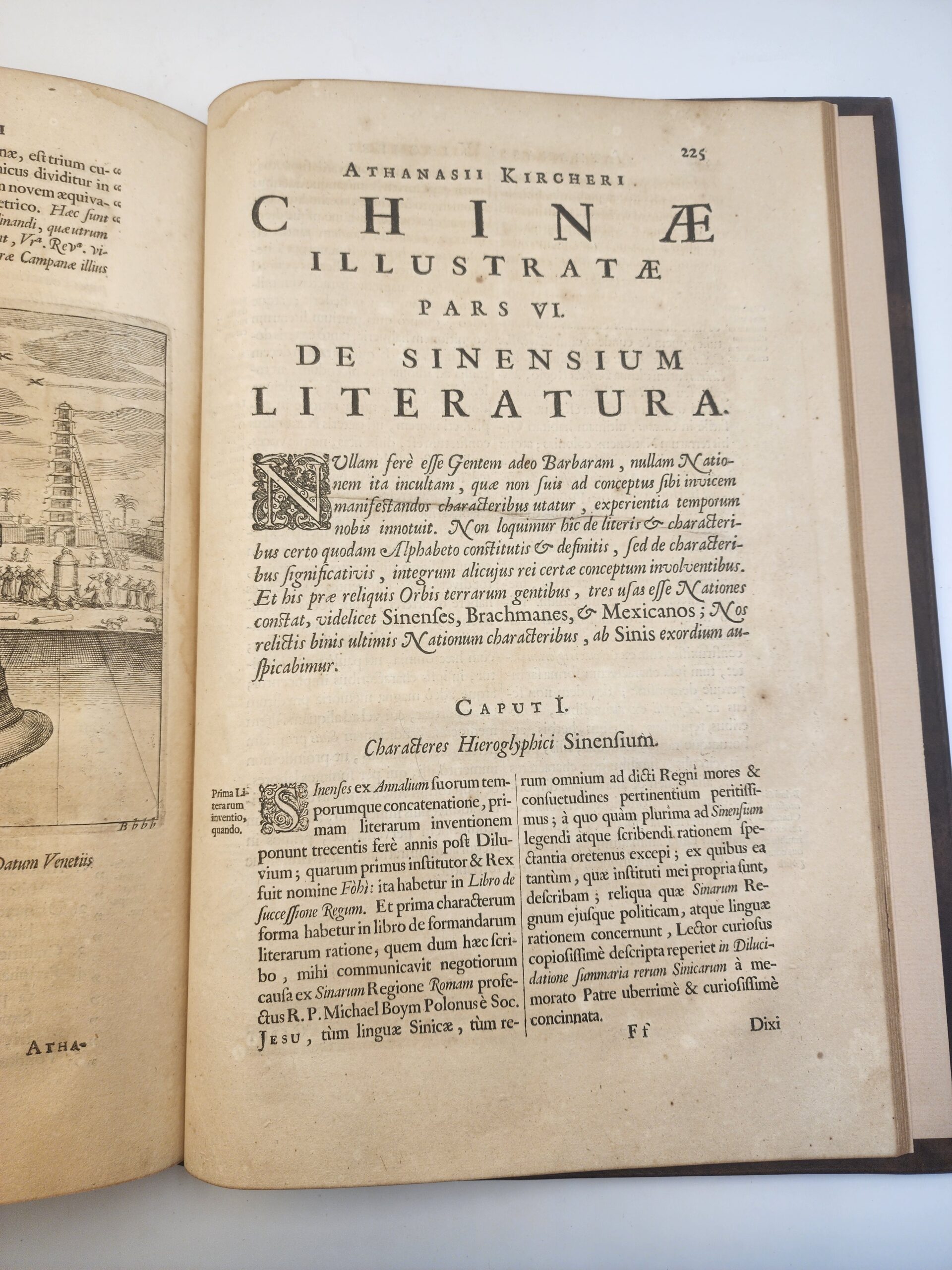
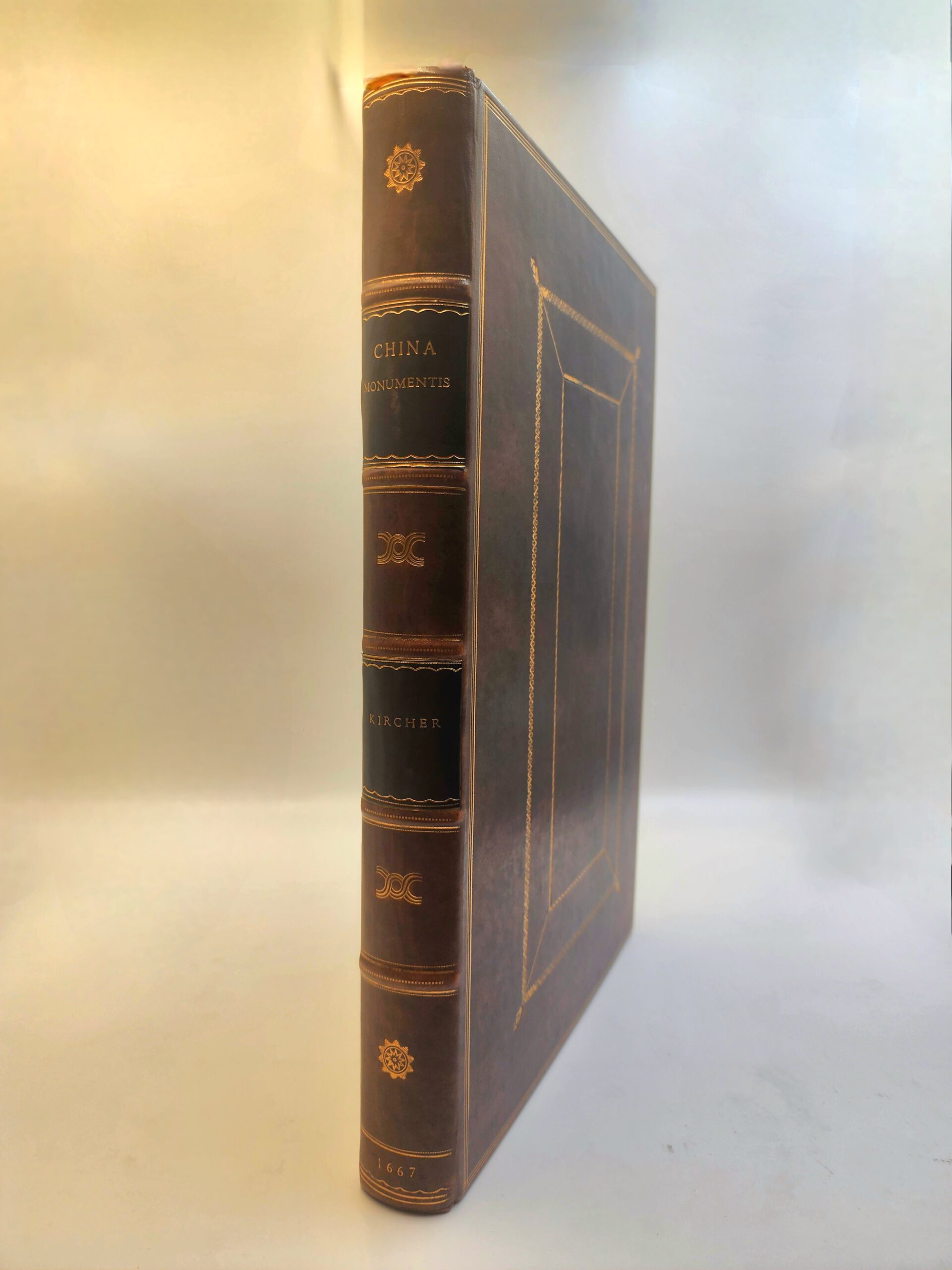
Athanasius Kircher was a renowned Jesuit scholar of the 17th century, he was called the “Renaissance man” and is often described as an enigmatic intellectual, due to his wide range of interests in subjects like linguistics, geology, music, etc. He is also credited as the founder of Egyptology, although later on, most of his translations needed to be corrected. He was born in 1601 or 1602 (He also did not know) in Geisa, Germany, and was a Jesuit priest who dedicated his life to learning and spreading knowledge. One of Kircher’s most famous works is China Monumentis Qua Sacris quà Profanis, Nec non variis Naturæ & Artis Spectaculis, Aliarumque rerum memorabilium Argumentis Illustrata, published in 1667. Commonly only referred to as China Illustrata, this study of China was written for the purpose of introducing the West to a culture that was so foreign to European scholars.

In China Illustrata, Kircher tried to decipher China’s mysteries through different perspectives, capturing not only the religious side but also its artistic achievements, nature, history, etc. As it turns out, Kircher never actually visited China, he instead gathered an impressive collection of second-hand accounts from missionary reports, letters, and artifacts sent by his fellow Jesuits who were exploring China. His work definitely reflects the intellectual curiosity about understanding China’s traditions, practices, and worldview. A great portion of China Illustrata focuses on religion and spiritual symbols, he provides extensive explanations of Chinese philosophies of Confucianism, Buddhism, and Taoism in an attempt to present these to European scholars who were unfamiliar with such systems of thought. He was particularly fascinated by China’s sacred temples, shrines, and rituals, which he believed were key to understanding the country’s culture and moral values.

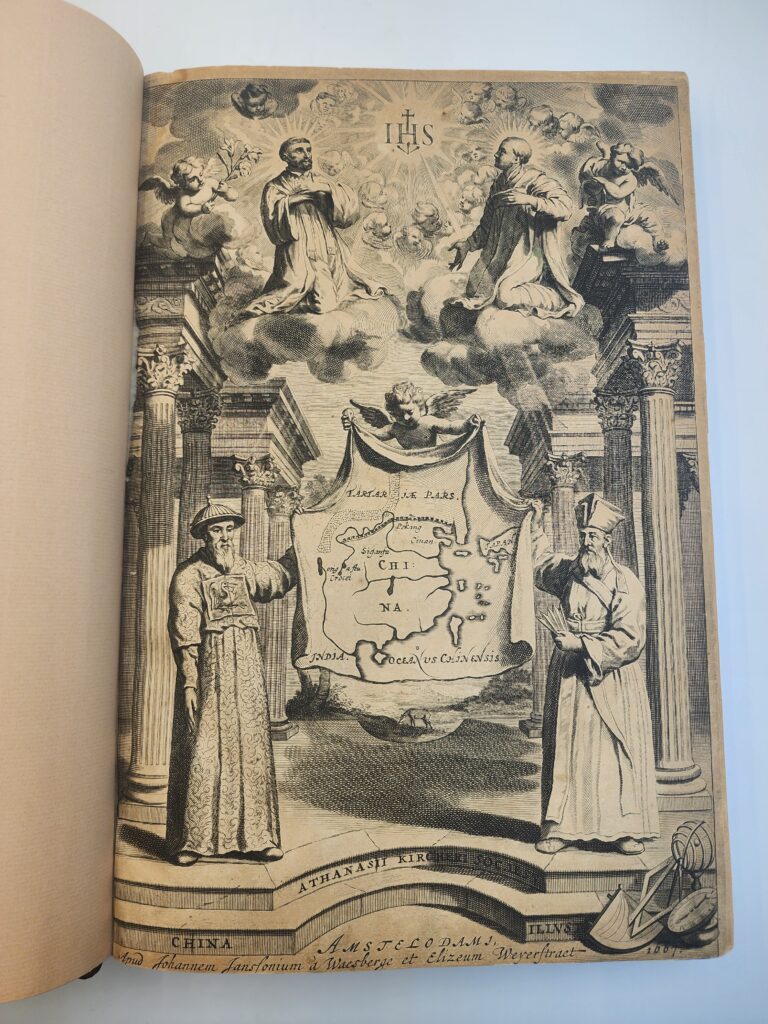
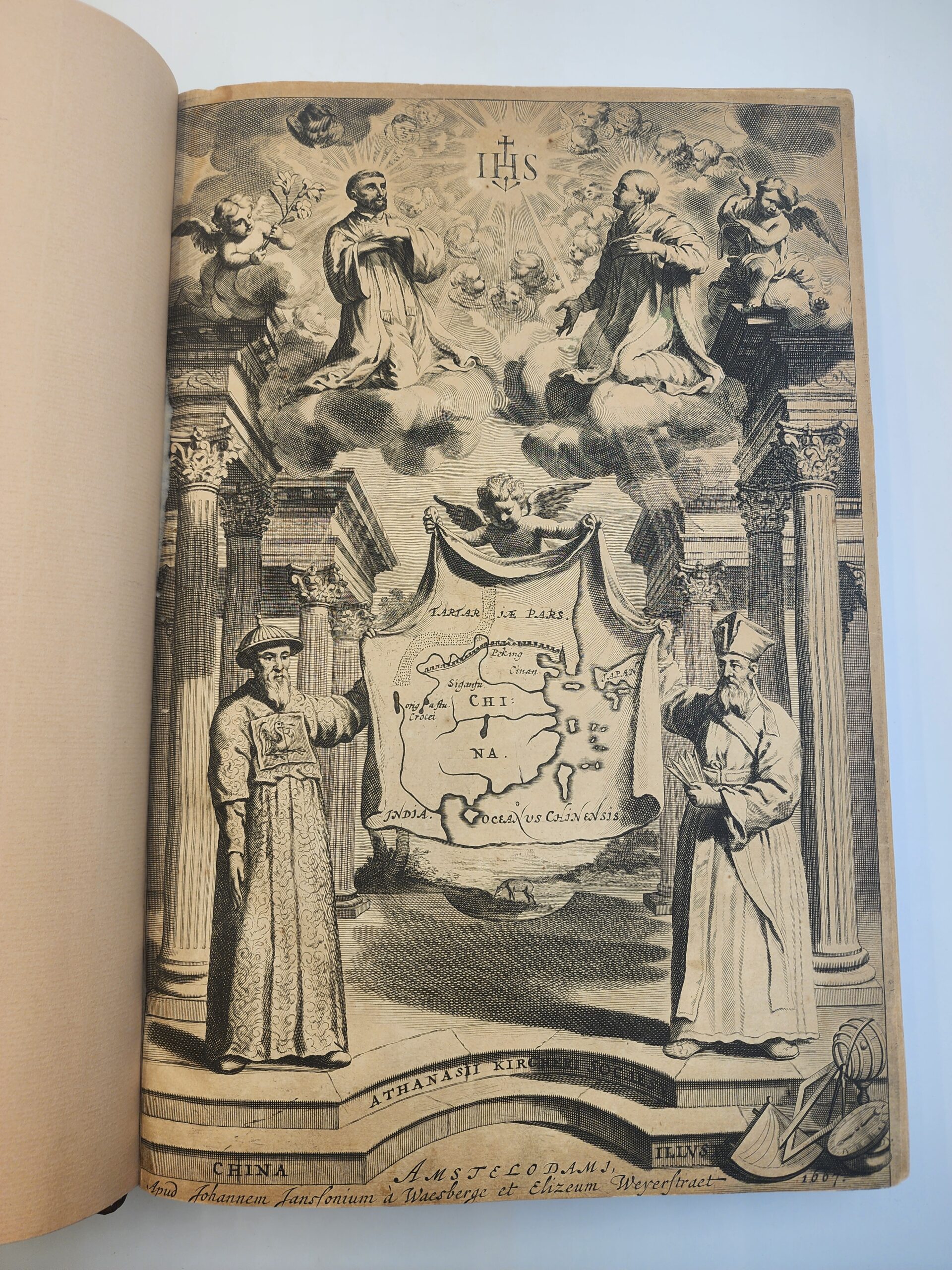
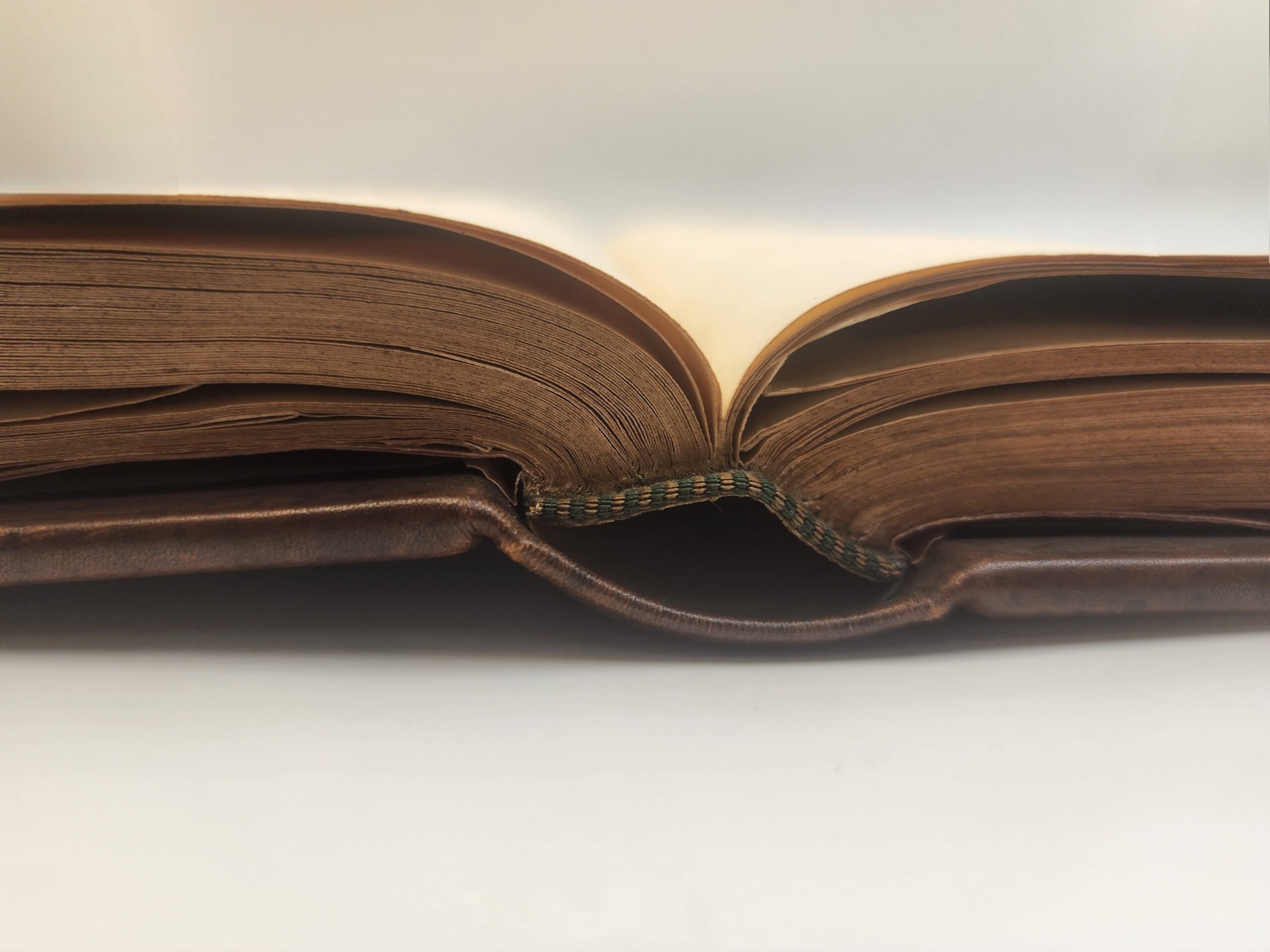
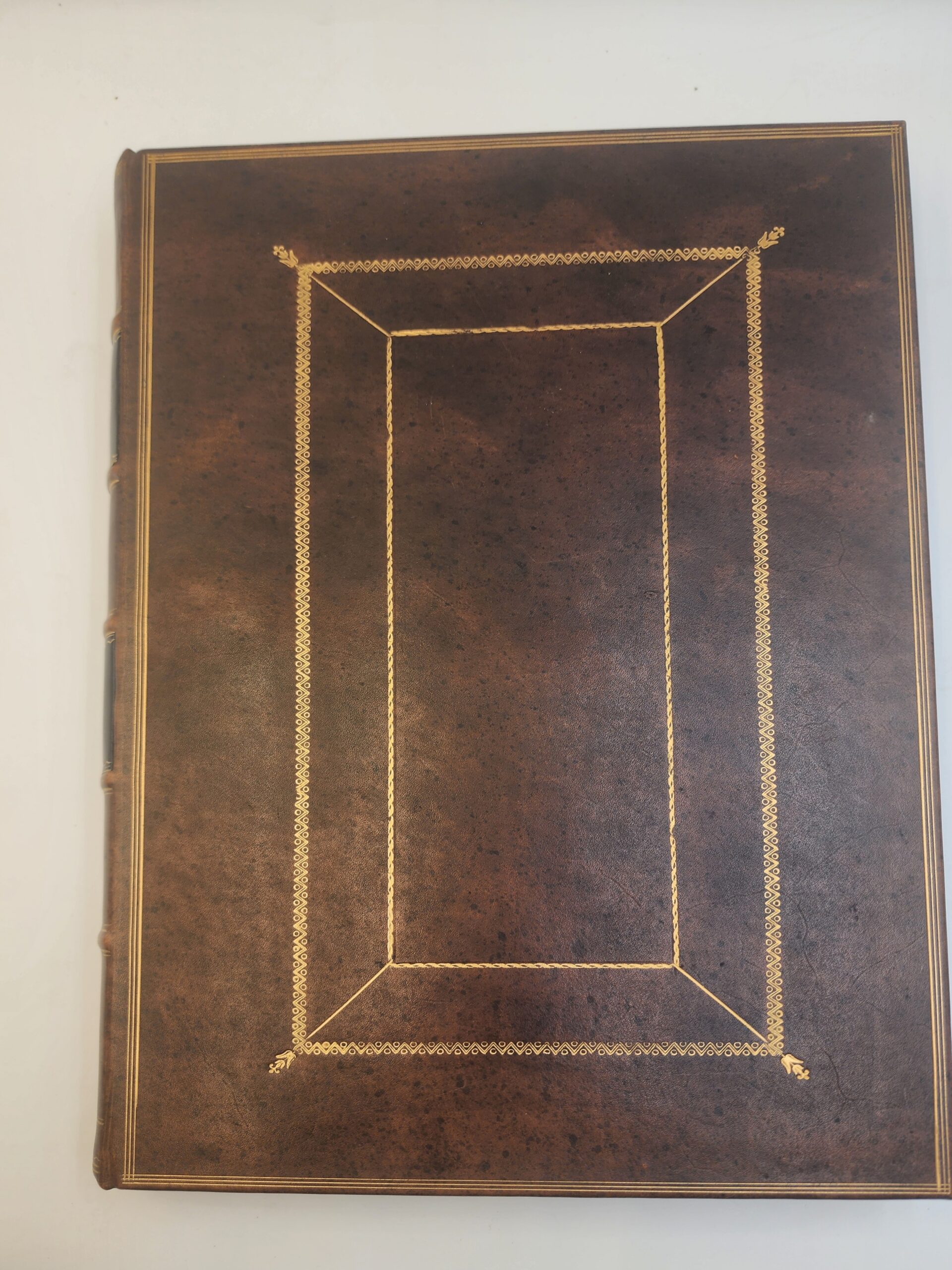
What is most impressive about this book is its physical characteristics, China Illustrata, which are as remarkable as its content. Interestingly, the copy referenced here features a variant engraved title page stating it was printed in Amsterdam in 1667 by “Sara Weyerstraet”, the widow of one of the original publishers. However, this is actually an Antwerp counterfeit edition printed by the publisher Meursius. The distinction between these editions adds another layer of historical intrigue to the already fascinating work.

The original publication includes:

  • An engraved title page
  • A portrait of Kircher
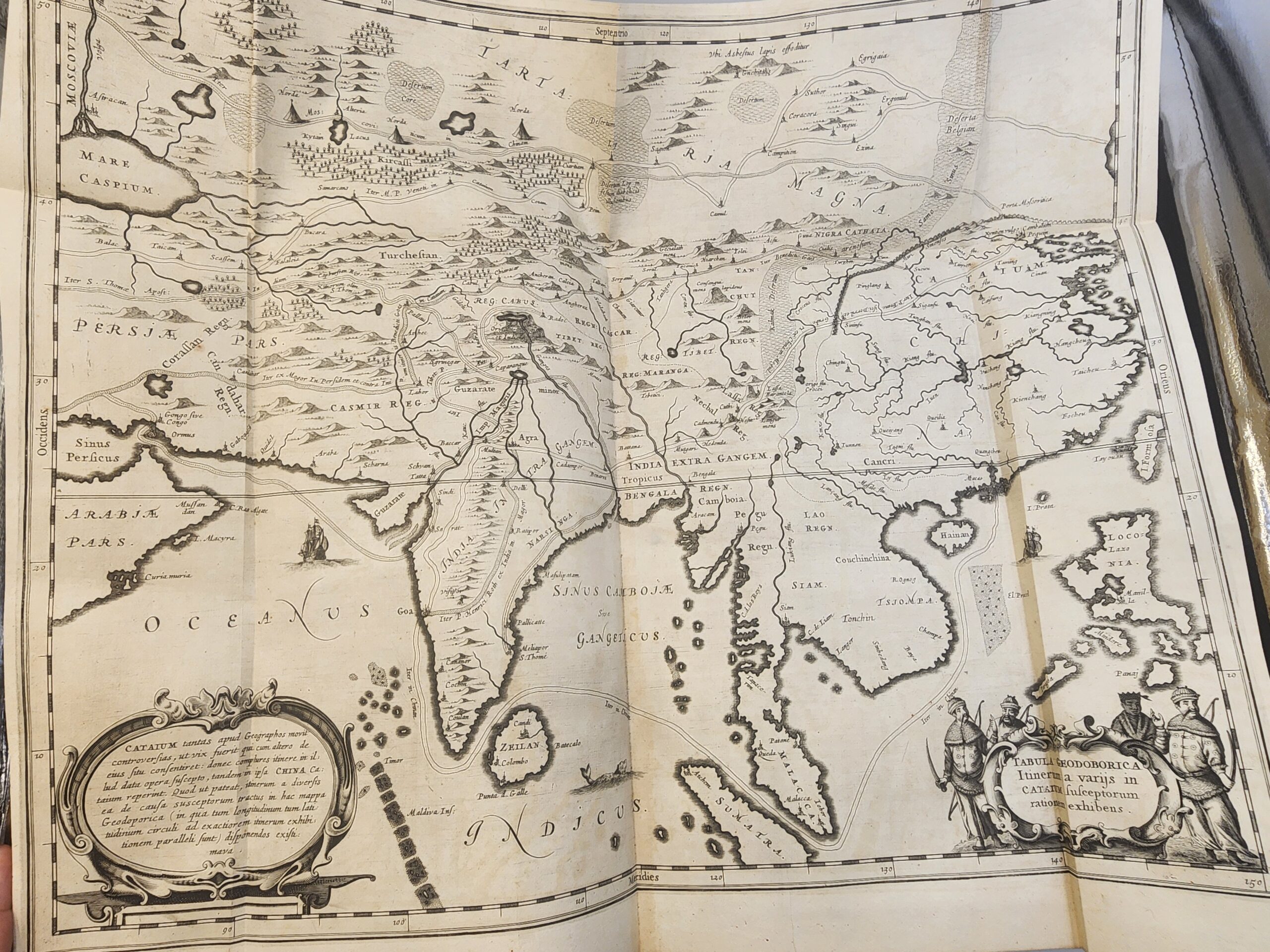
  • Two large, fold-out maps of China
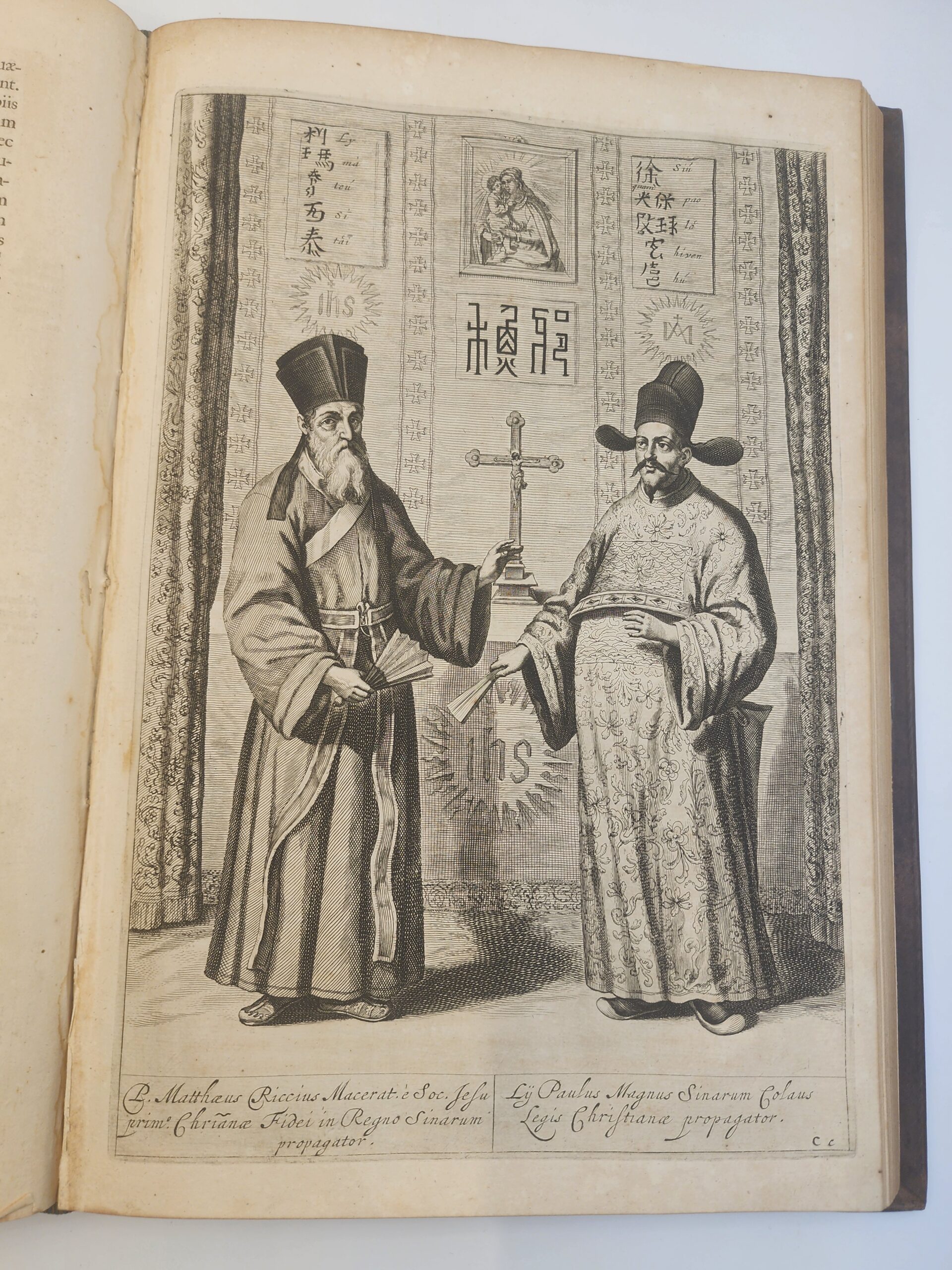
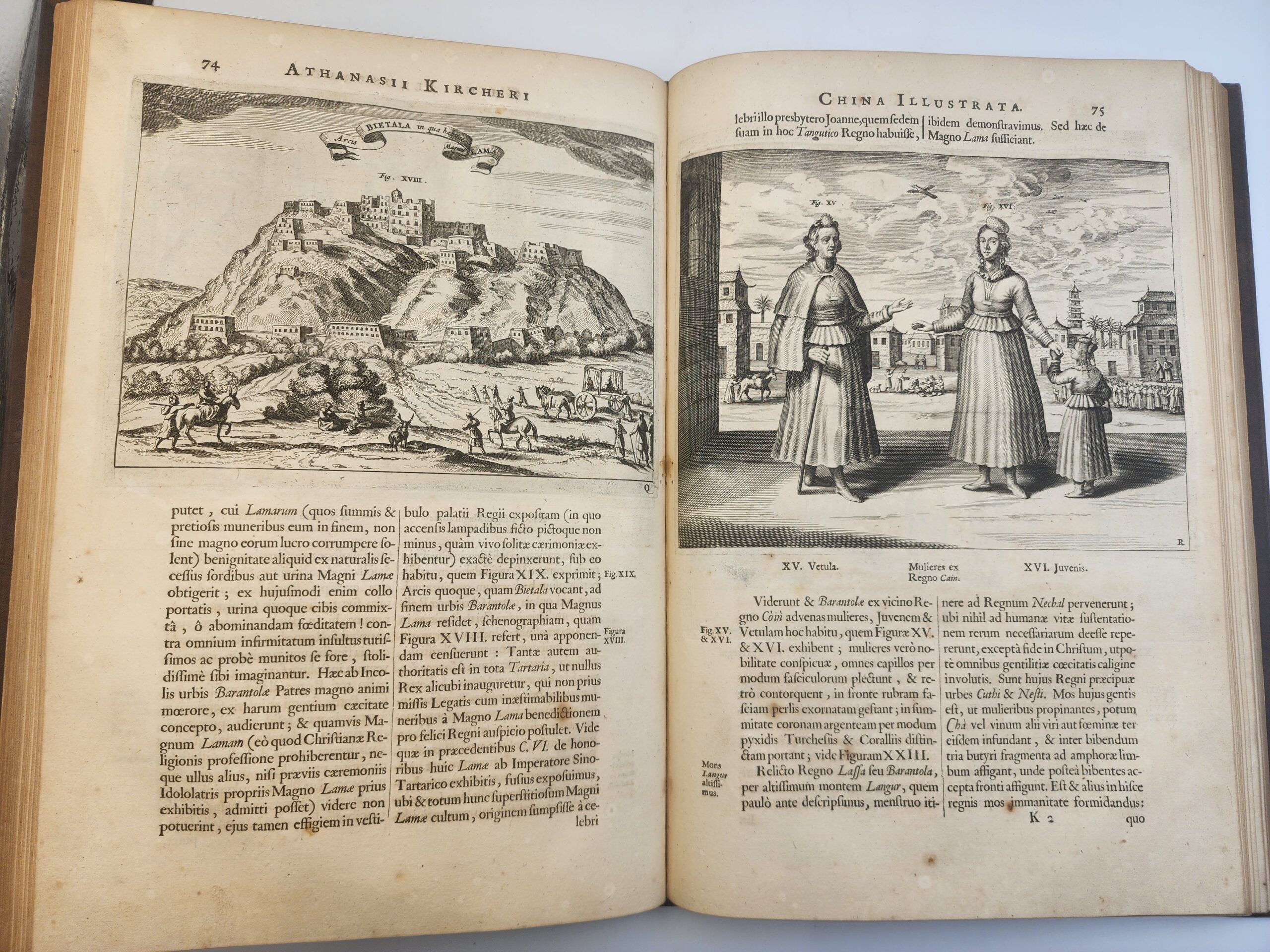
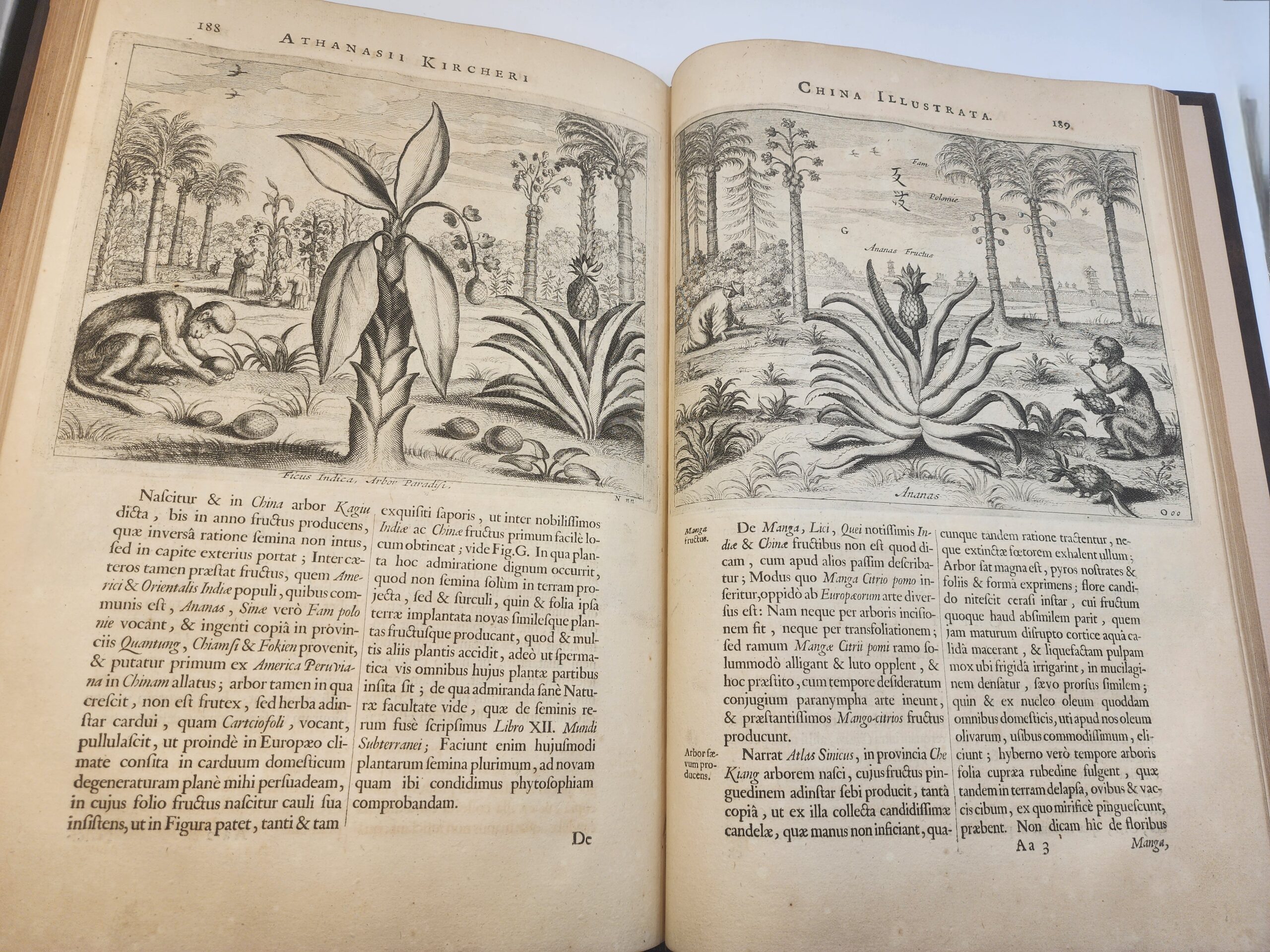
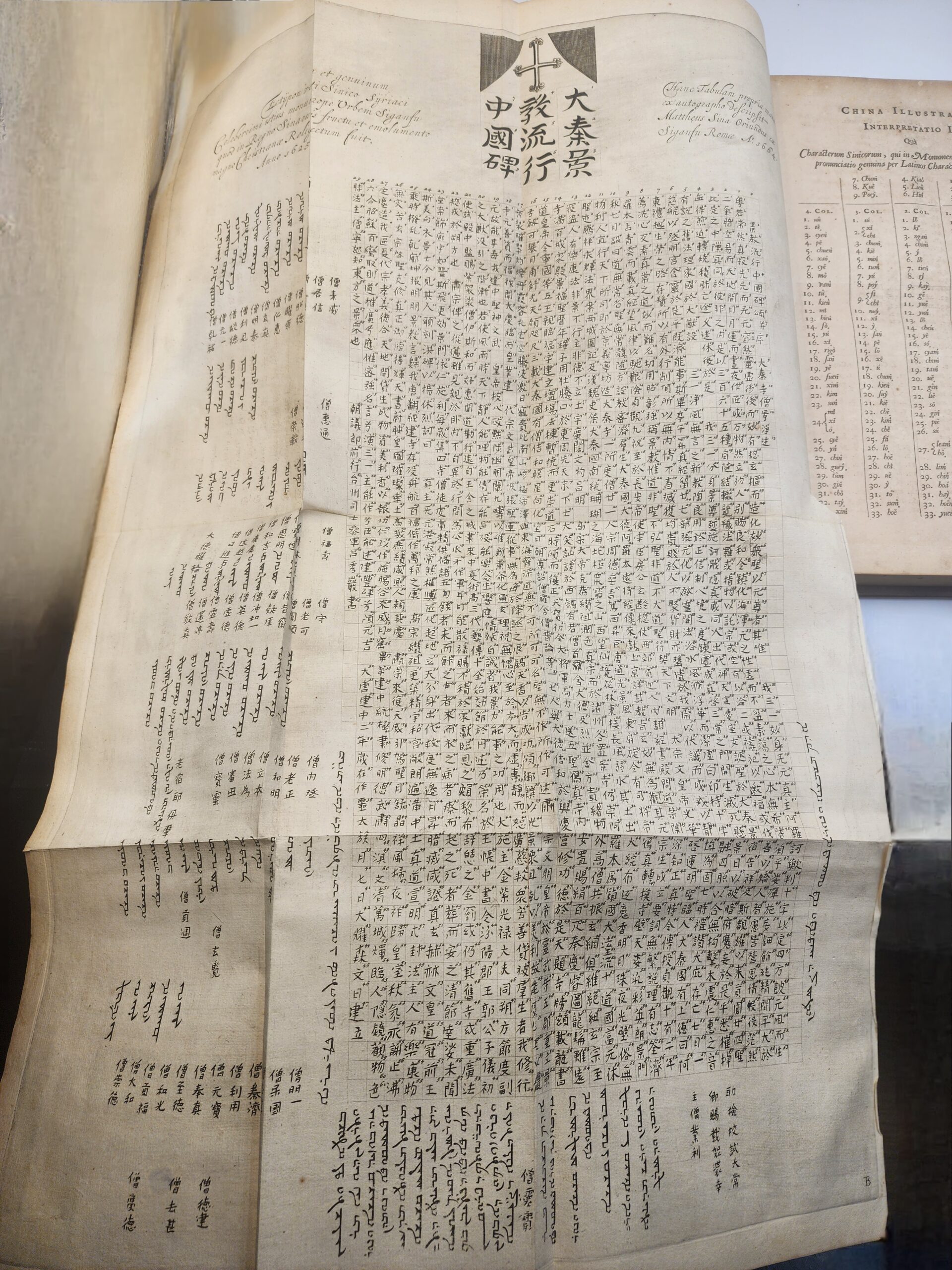
  • 59 text engravings and 23 full-page engravings, one of which is a large fold-out reproduction of the famous “Nestorian Stele”

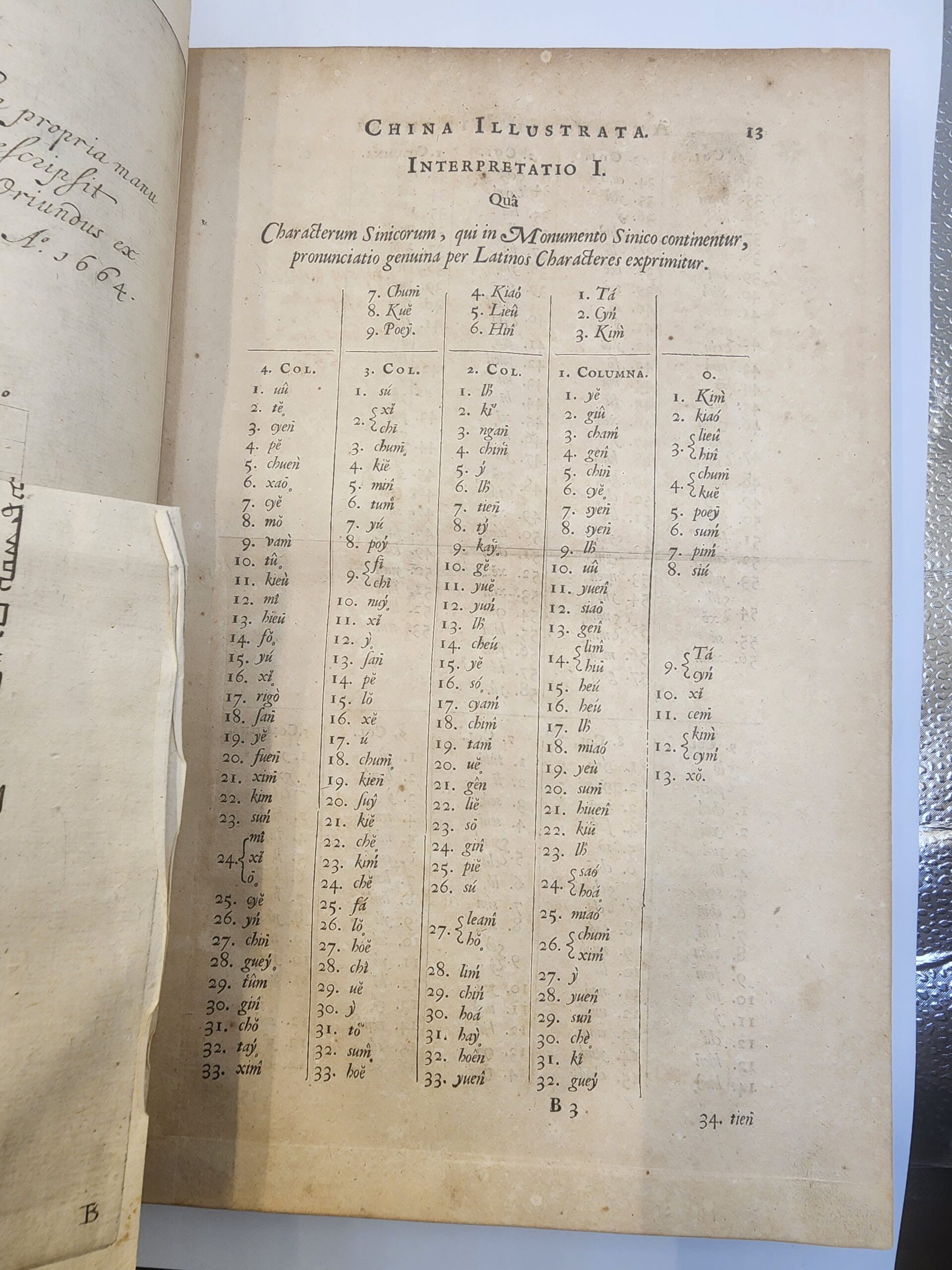
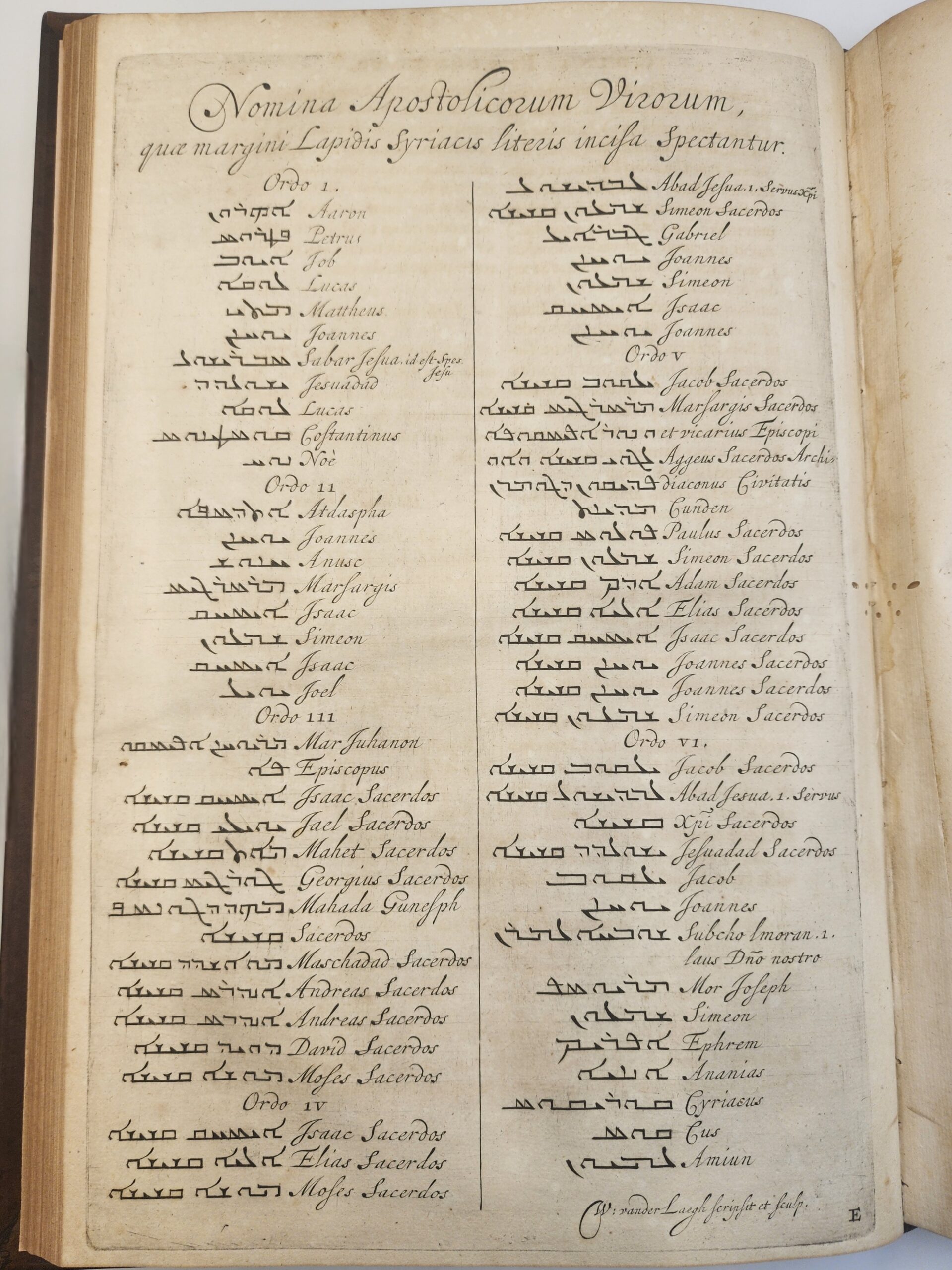
One of the most valuable aspects of China Illustrata is Kircher’s discussion of the different routes to China, including overland routes taken by missionaries such as Johann Grueber and Albert d’Orville. This part of the book also includes the history of Christianity in China, from the legend of St. Thomas to the experiences of Jesuit missionaries like Adam Schall during the Ming and Qing dynasties. One of the most impressive sections is Kircher’s discussion of the Chinese language. He included a Latin-Chinese dictionary, and the work contains early European attempts to understand the Chinese writing system. Kircher’s study of Chinese language and his inclusion of Chinese characters in print was pioneering for its time. China Illustrata remains one of the most important 17th-century works on China, serving as a key source for European writers and scholars for many years after its publication. Although Kircher never traveled to China himself, his compilation of other missionaries’ accounts, illustrations, and translations laid the groundwork for future European studies of China and other parts of Asia.

In many ways, China Illustrata is a testament to the Jesuit mission’s intellectual ambition. It preserves the knowledge gathered by Jesuit explorers and scholars, some of whom risked their lives to document their journeys and experiences. Kircher’s ability to compile and synthesize these reports into a single, cohesive volume made China Illustrata a landmark publication in the study of China.

By Laury Castro, TBC Intern

More To Explore

Global Connections

Heaven in Beijing: TBC’s Visit to the Temple of Heaven

Beijing’s Temple of Heaven may be one of, if not, the most iconic tourist sites in Beijing. Constructed starting back in 1406, around the same time as the Forbidden City and the other respective temples of the Sun, Earth and Moon.

Global Connections

Cultural Exchange, Chinese University Style

Another one of the more irreplaceable experiences we have in China as students is the amount of cultural exchange we get to participate in. While The Beijing Center organizes plenty of culture-based events, from tourist activities to arts workshops, there’s something about engaging with other people our own age in cultural exchange that’s really special.

Global Connections

Gubei: An Excursion to China’s Newest Old Water Town

Over this past weekend, some of our students enrolled at Minzu University of China took their annual Spring Outing – this year, to Gubei Water Town. Situated about a 2-hour drive northeast of Beijing, the April weather made it absolutely perfect to explore for a spring outing. It surrounds various canals and offshoots of Yuanyang lake.

Global Connections

Beijing’s Hutongs: From Snuff Bottles to Exploration with a View

If you ever want to get a taste of Old Beijing, by far one of the best ways is to visit the hutongs. They’ve conceptually been around all the way since the 1200s, and in their most modern forms exist as protected alleyways and streets surrounded by old traditional houses and neighborhoods in the heart of Beijing and are recognized in China to be an important part of cultural heritage in the city.