The Beijing Center

GUBEI WATERTOWN

Share This Post

Gubei Watertown

By Nicole M., Loyola Marymount University, TBC Summer 2019 Intern Abroad Student

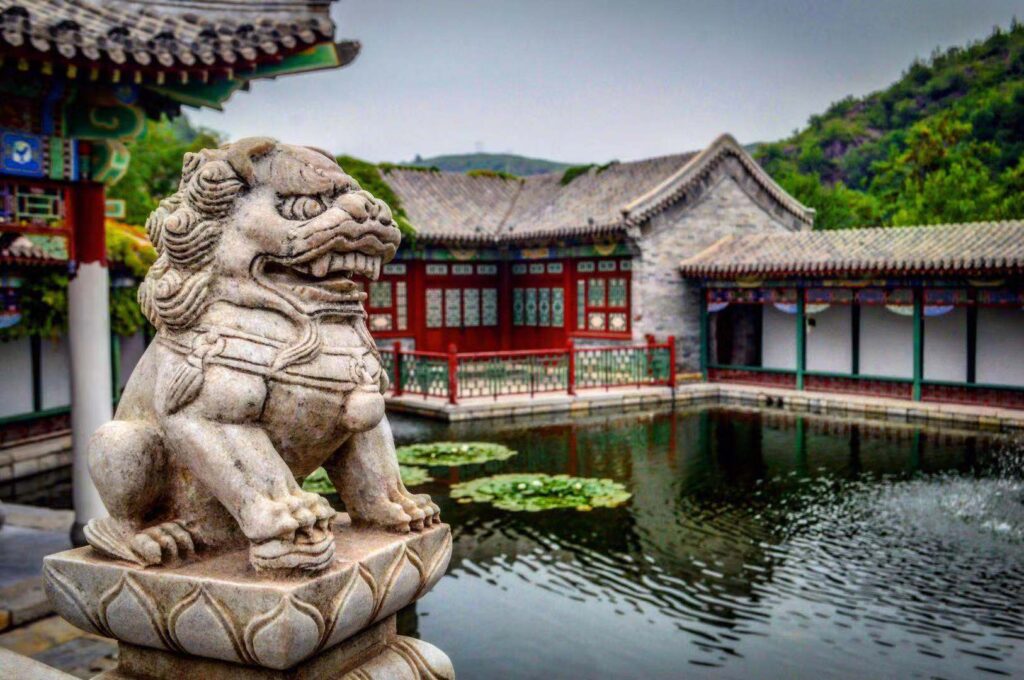
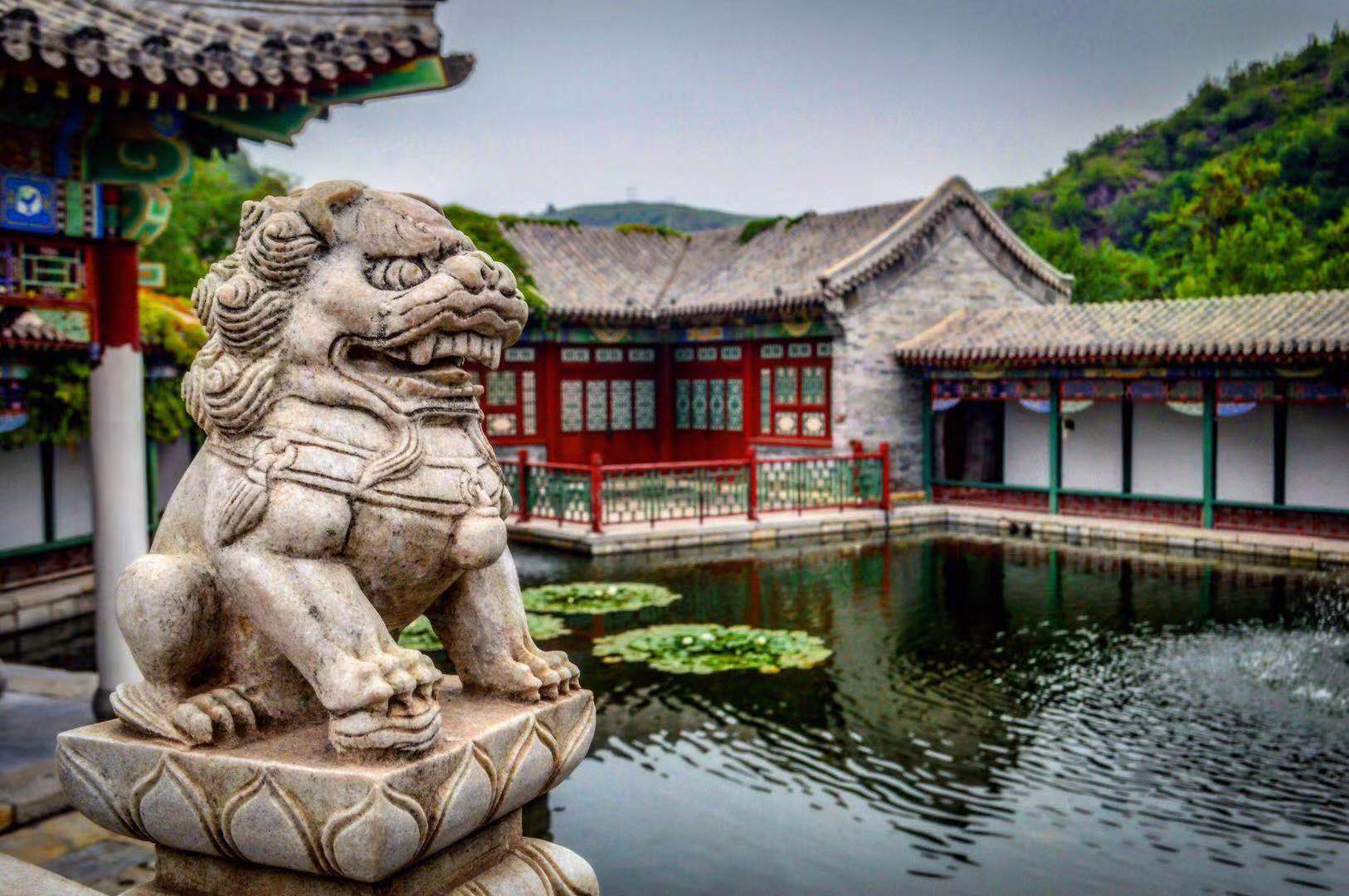
If you’re looking for an escape from the city, spend a weekend in Gubei Watertown. Located just a two-hour drive from Beijing, the town is made up of traditional architecture, greenery, and not to mention an endless number of doorways to take photos in. While in Gubei, hike up to the Mountaintop Church for a view of the city and a coffee to start your day. Once down the mountain, take in the view from a boat for only 80RMB. If you’re feeling hungry for lunch, explore the side streets to find restaurants serving authentic Chinese food. Otherwise, stop for ice cream or Hawthorn. Just a ten-minute walk from the town center, visit the Yuantong Pagoda Temple before securing your spot for the Great Wall Music Fountain Show, shown from March to October.

Hotels are plentiful in Gubei. Choose to stay at an inn located along the water or spend the night in a western style hotel. On your second day in Gubei, walk the Great Wall of China at Simatai. After your climb, return to the city and grab a drink along the waterfront or stop by the Sun and Moon Square to watch theatre performances from your seat. Stay to see the town light up at night and find a group to dance along to the street performers with for an immersive experience.

More To Explore

Global Connections

Gubei: An Excursion to China’s Newest Old Water Town

Over this past weekend, some of our students enrolled at Minzu University of China took their annual Spring Outing – this year, to Gubei Water Town. Situated about a 2-hour drive northeast of Beijing, the April weather made it absolutely perfect to explore for a spring outing. It surrounds various canals and offshoots of Yuanyang lake.

Global Connections

Beijing’s Hutongs: From Snuff Bottles to Exploration with a View

If you ever want to get a taste of Old Beijing, by far one of the best ways is to visit the hutongs. They’ve conceptually been around all the way since the 1200s, and in their most modern forms exist as protected alleyways and streets surrounded by old traditional houses and neighborhoods in the heart of Beijing and are recognized in China to be an important part of cultural heritage in the city.