The Beijing Center

Hong Kong Diocese Group Visited TBC 

Share This Post

Under the invitation of the Hong Kong Liaison Office, Hong Kong Diocese Group Visited TBC on September 18th. The visit, spanning five days, was marked by a series of exchange activities in Beijing. As the only member institution of the International Association of Jesuit Universities (IAJU) in mainland China, TBC extended a warm welcome to the visiting delegation. 

Conference with the State Bureau of Religious Affairs of the Peoples Republic of China, the Chinese Catholic Patriotic Association, and the Bishops’ Conference of the Catholic Church in China

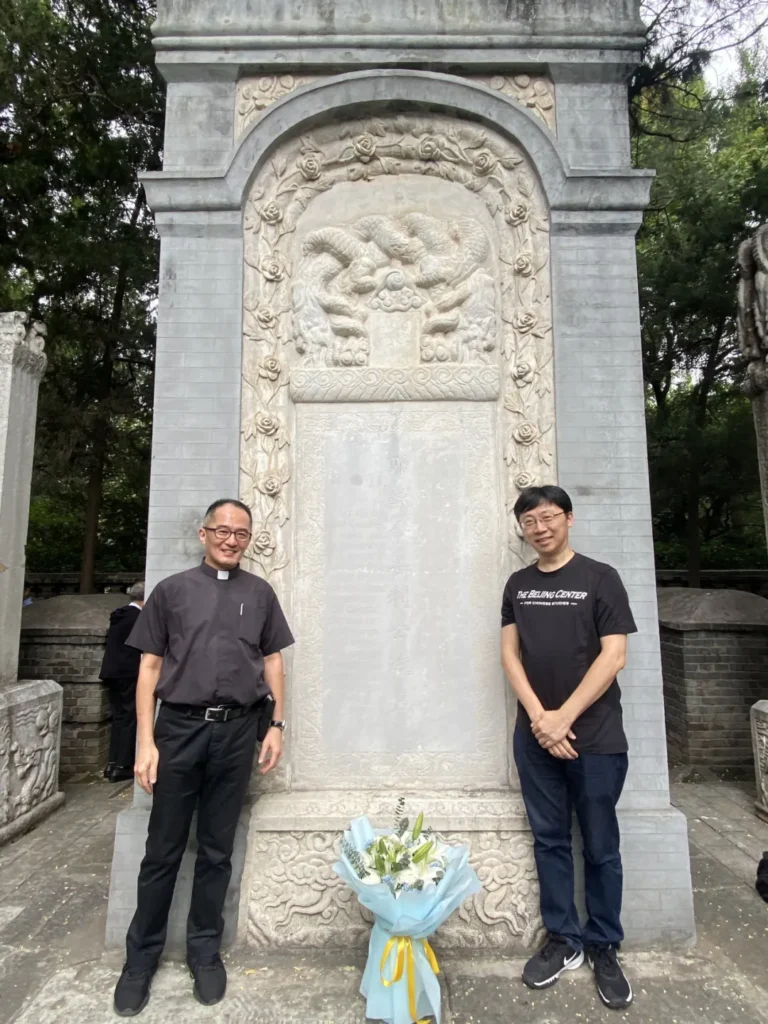
During this visit, the diocese group engaged in in-depth and extensive exchanges with the State Bureau of Religious Affairs of the Peoples Republic of China, the Chinese Catholic Patriotic Association, and the Bishops’ Conference of the Catholic Church in China, discussing development and promotional strategies for the Catholic Diocese of Hong Kong. Subsequently, they toured the Zhalan Cemetery, the final resting place for hundreds of Western missionaries. These missionaries, while unheralded, played pivotal roles in fostering cultural exchange between China and the West. 

Visiting delegation Fr. Xu Liren (left) and TBC Executive Director Simon Koo visit the tomb of Matteo Ricci

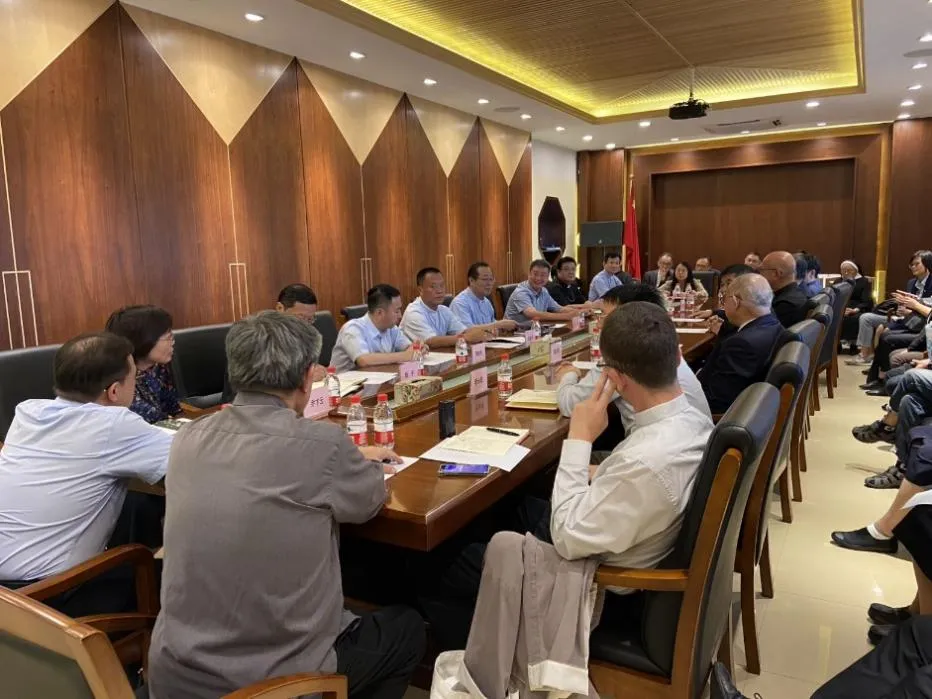
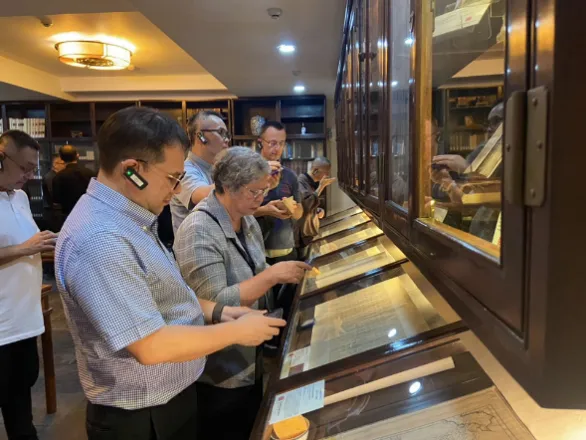
At TBC, the diocese group toured the institution’s academic and administrative facilities, marveling at its diverse collections. Renowned scholars, including TBC Professor Leopold Leeb from Renmin University of China and TBC Executive Director Simon Koo, delivered lectures on various topics, engaging the delegation in discussions on sino-foreign cultural exchanges. 

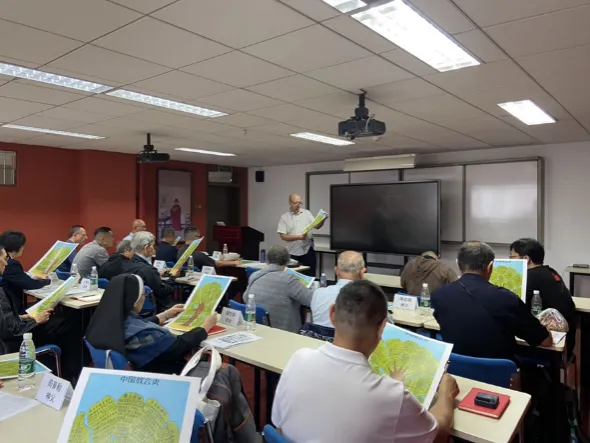
Visit TBC’s Anton Library

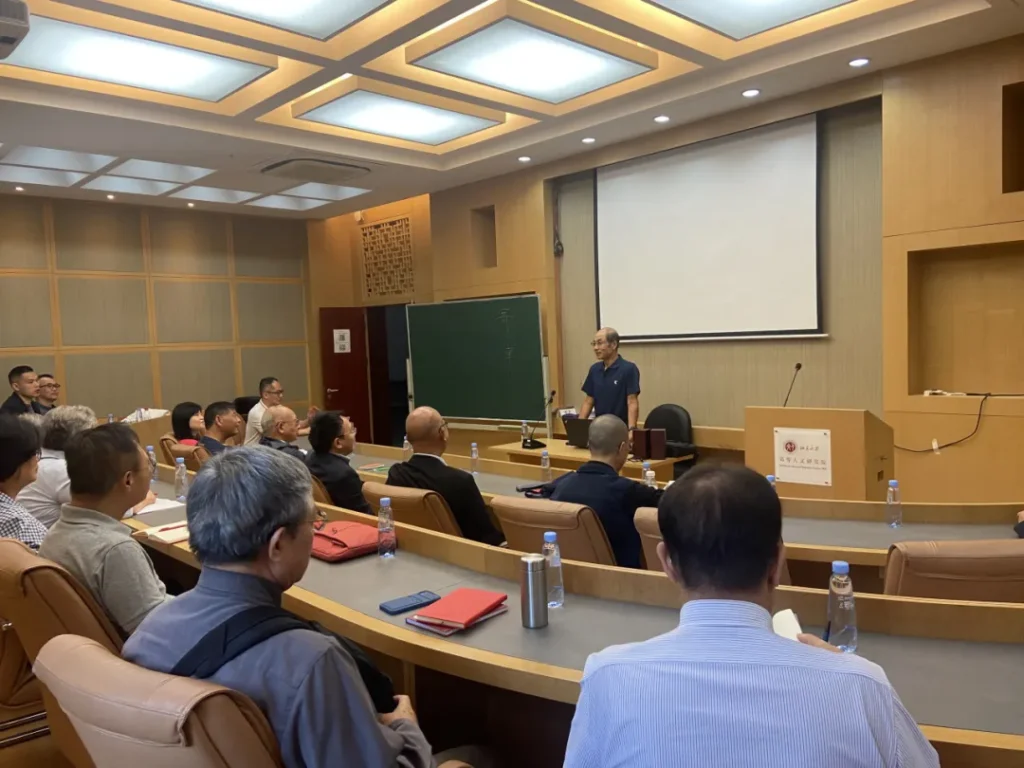
Lecture delivered by TBC Visiting Professor Lei Libai

Moreover, they also visited two prestigious universities, Peking University and Renmin University of China. At Peking University, they explored the university’s historical museum to gain insights into its rich history. Professors Xu Fenglin and Cheng Lesong from the philosophy department delivered lectures on topics such as The Academic Perspective of Modern China: Centering on Jesuit Dialogue, The Diverse Perspectives of Religion in Sinicization, and The Beliefs and Spiritual World of the Chinese People, respectively, offering fresh insights into promoting cultural exchanges between China and the world. Likewise, at Renmin University of China, they explored the school’s museum and engaged in insightful discussions with philosophy professors. 

Lecture at Peking University

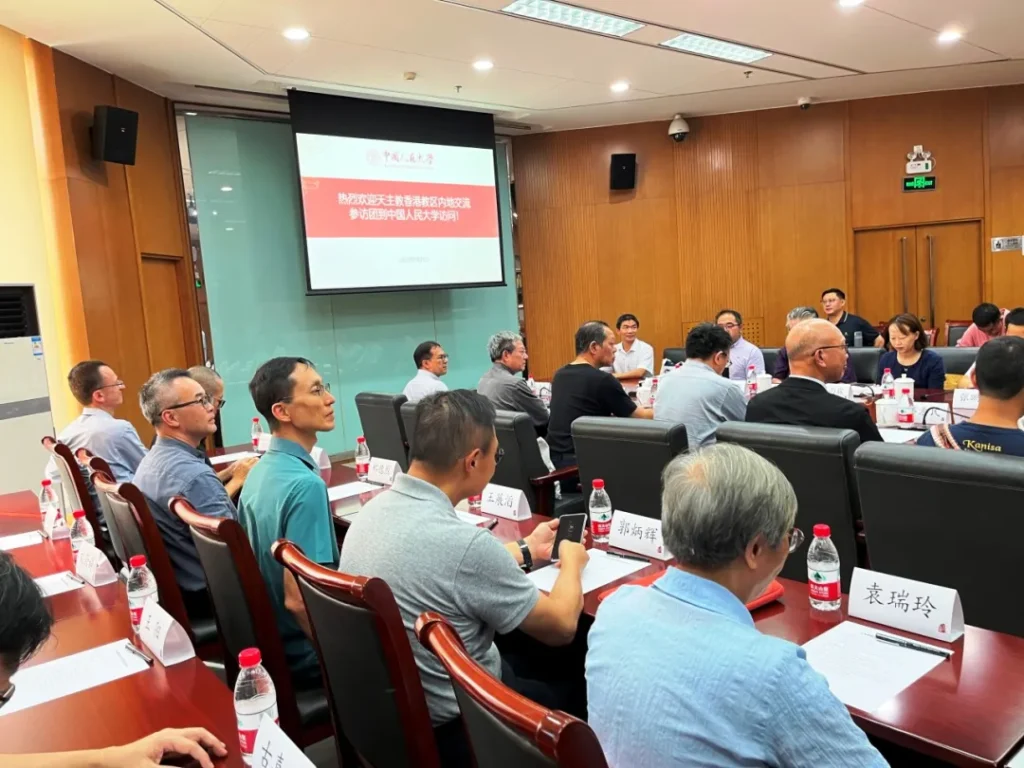
Lecture at Renmin University of China

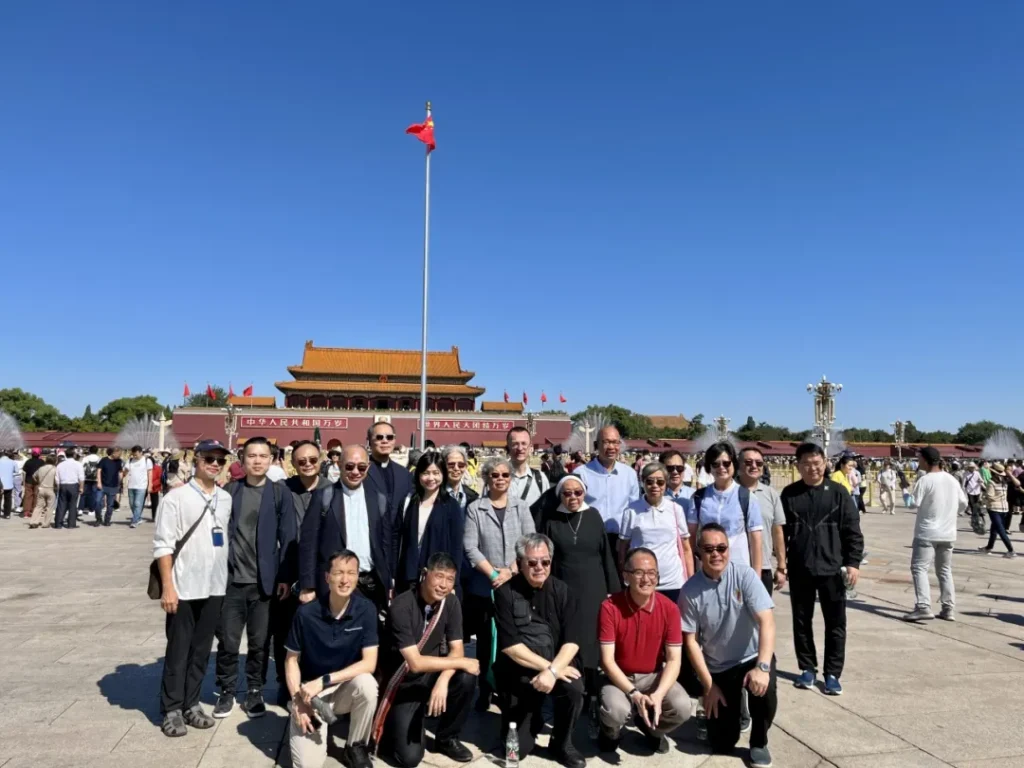
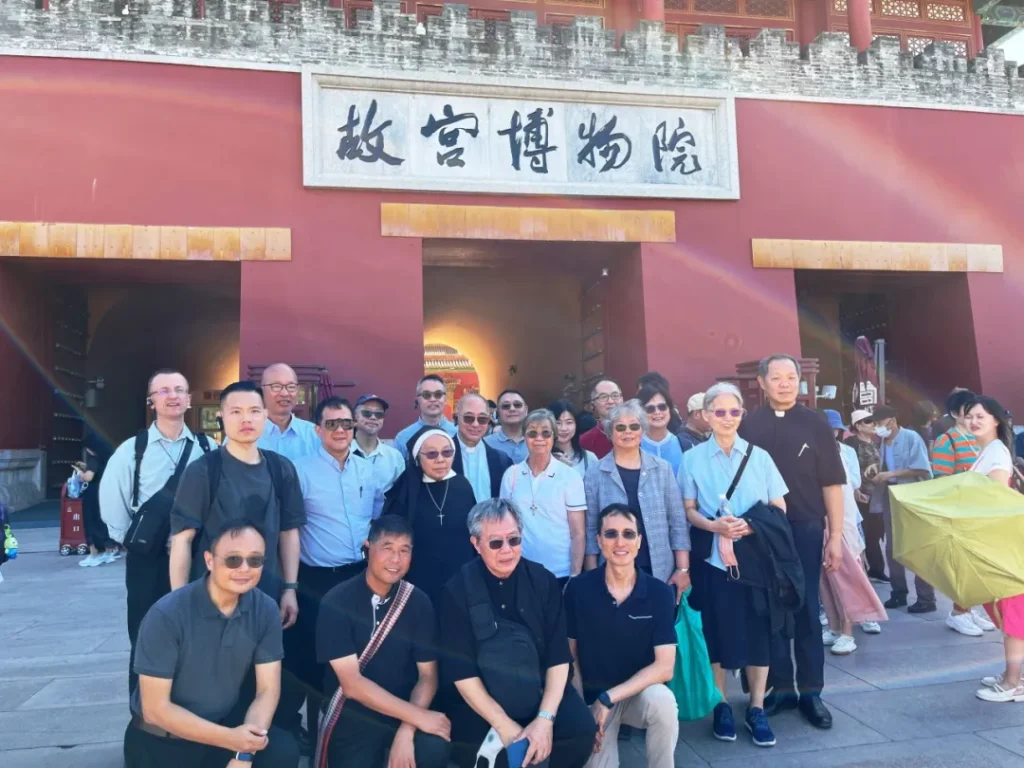
In addition, they embarked on sightseeing tours to prominent landmarks such as the Church of the Saviour, St. Joseph’s Church, Beijing Ancient Observatory, Five Pagoda Temple, Tiananmen Square, and the Forbidden City. 

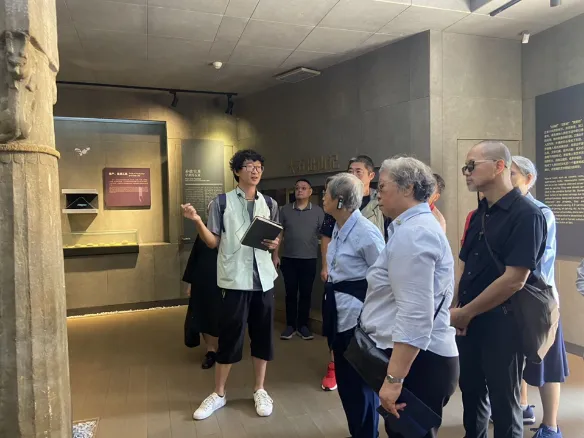
Visit  museum

Through these diverse experiences, the diocese group immersed themselves in China’s rich cultural tapestry, witnessing the confluence of civilizations between China and the world. The visit not only strengthened ties between TBC and the Catholic Diocese of Hong Kong but also fostered greater mainland-Hong Kong cooperation, laying a robust foundation for future collaboration. 

Group photo in front of  the Forbidden city

Translated by Fiona

More To Explore

Global Connections

Gubei: An Excursion to China’s Newest Old Water Town

Over this past weekend, some of our students enrolled at Minzu University of China took their annual Spring Outing – this year, to Gubei Water Town. Situated about a 2-hour drive northeast of Beijing, the April weather made it absolutely perfect to explore for a spring outing. It surrounds various canals and offshoots of Yuanyang lake.

Global Connections

Beijing’s Hutongs: From Snuff Bottles to Exploration with a View

If you ever want to get a taste of Old Beijing, by far one of the best ways is to visit the hutongs. They’ve conceptually been around all the way since the 1200s, and in their most modern forms exist as protected alleyways and streets surrounded by old traditional houses and neighborhoods in the heart of Beijing and are recognized in China to be an important part of cultural heritage in the city.